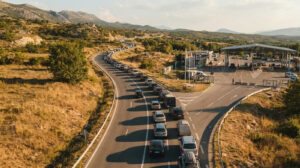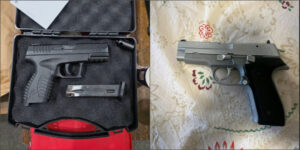
They Fired Guns at a Party in Dobridol - and Police Only Moved Once the Video Went Viral
02.08.2026


02.08.2026

02.08.2026
02.08.2026

02.08.2026

02.08.2026
01.08.2026

02.08.2026

01.08.2026

31.07.2026
02.08.2026

02.08.2026
02.08.2026
02.08.2026

02.08.2026
01.08.2026

09.03.2026

27.02.2026

19.02.2026
02.08.2026

01.08.2026

31.07.2026

23.04.2026

23.04.2026

12.04.2026
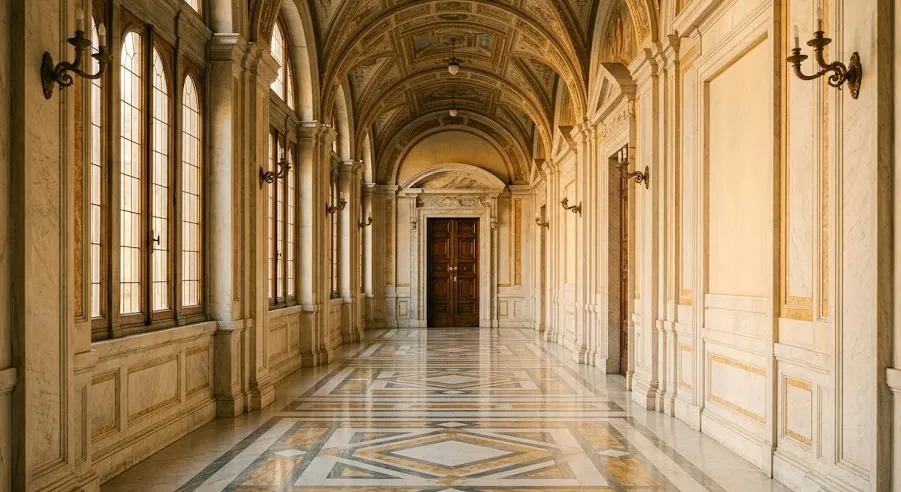
Pope Leo XIV, the new leader of the Catholic Church, on Monday published the first encyclical of his pontificate, titled Magnifica Humanitas. The theme: „protection of the human face in the age of artificial intelligence". The document runs 200 pages, and although the title speaks of AI, it is essentially about the concentration of power - an old theme in a new context.
The Pope presented the document together with Chris Olah, co-founder of Anthropic. That is a symbolic gesture - the Catholic hierarchy stands alongside one of the leading AI companies at a moment when many other AI players are heading in the opposite direction, without oversight. „When power is concentrated in the hands of the few, it becomes opaque and escapes public scrutiny," Leo XIV writes.
The encyclical comes a few days after US President Donald Trump postponed the signing of an executive order on AI - an order that would have given the state control over new models before their release. According to reports, the postponement came under pressure from investor David Sacks, the former AI tsar at the White House. This shows that the battle over regulation is not over - it is just beginning.
The Pope calls for the end of the „AI arms race" - the pressure companies and states create to build „ever more powerful algorithms and larger data bases" for geopolitical or commercial dominance. „To disarm means to discredit the assumption that technical power automatically grants the right to rule," he writes.
Is this the first time the Church has spoken about technological power? No. Pope Leo XIII, in the encyclical Rerum Novarum of 1891, did the same for the Industrial Revolution. But the times are different. Musk himself, with his purchase of Twitter and the repurposing of the platform against the public interest, is a vivid example of what Leo XIV is warning about today.
Professor Paolo Carozza of Notre Dame, a member of the Pontifical Academy of Social Sciences, adds something concrete: disinformation and AI-generated deepfakes destroy „our ability to tell what is true and what is not - and that has real consequences for democratic politics". The harvesting and manipulation of personal data, he adds, represent „fundamental challenges to cognitive freedom".
The latest 10 news from this category
Opus 5 set a record in the test and broke 11 agreements. Not one of the tricks is new -...

The billions were announced with a stage and slogans. The retreat is happening quietly, in sentences containing the word alignment.
In his last quarterly report Tim Cook announced the stronger Siri will be bought through iCloud+. The firm that paid...
The platforms that spent years convincing us automated content was the future are now patiently building filters against it. The...
Out of 141,006 test runs, three ended up inside the live systems of real firms. The oldest model worked out...
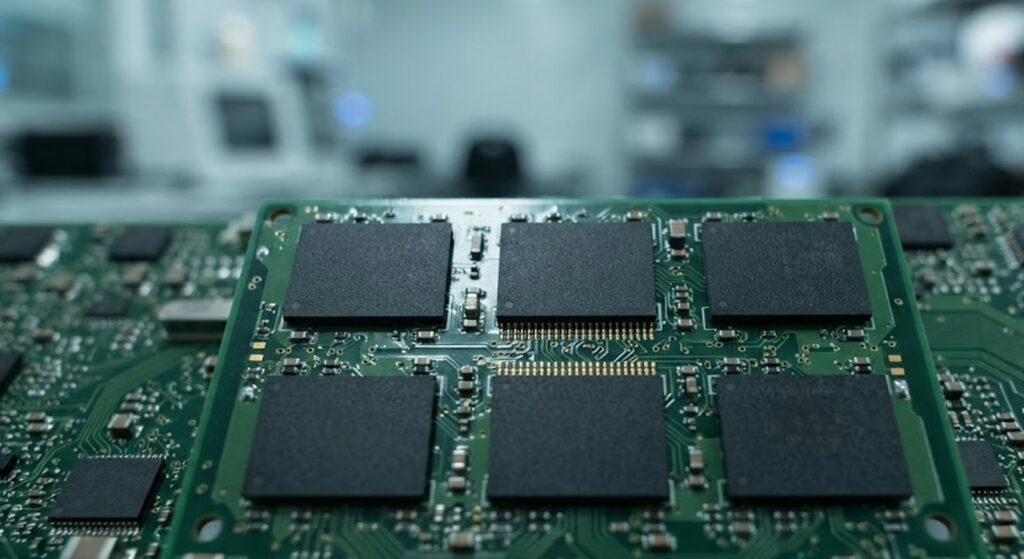
The strongest June quarter in its history, and the stock fell 6 percent. Artificial intelligence turned out to have a...
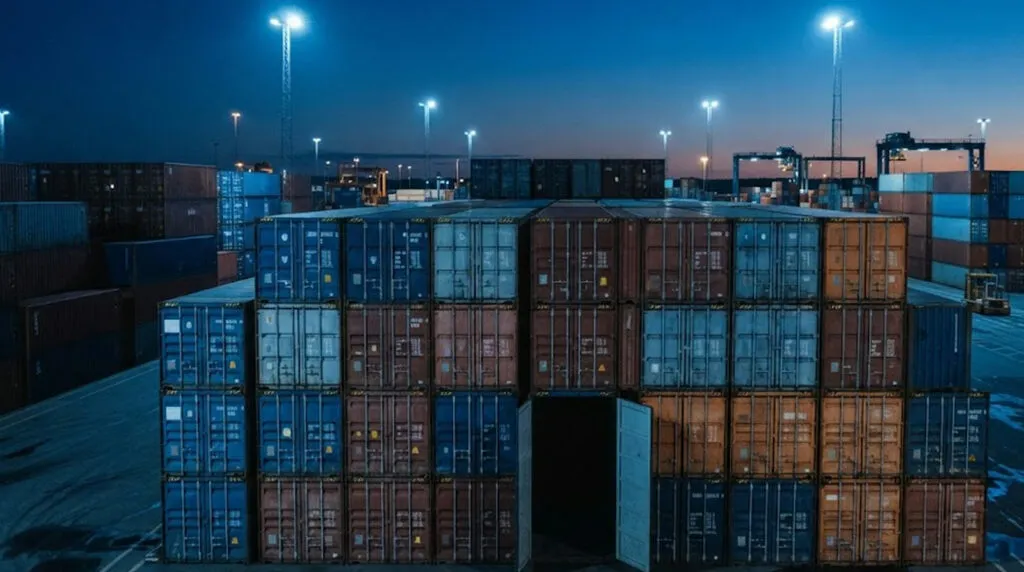
The FCC is closing the door to humanoid robots and power inverters, but only new ones. The millions of Chinese...
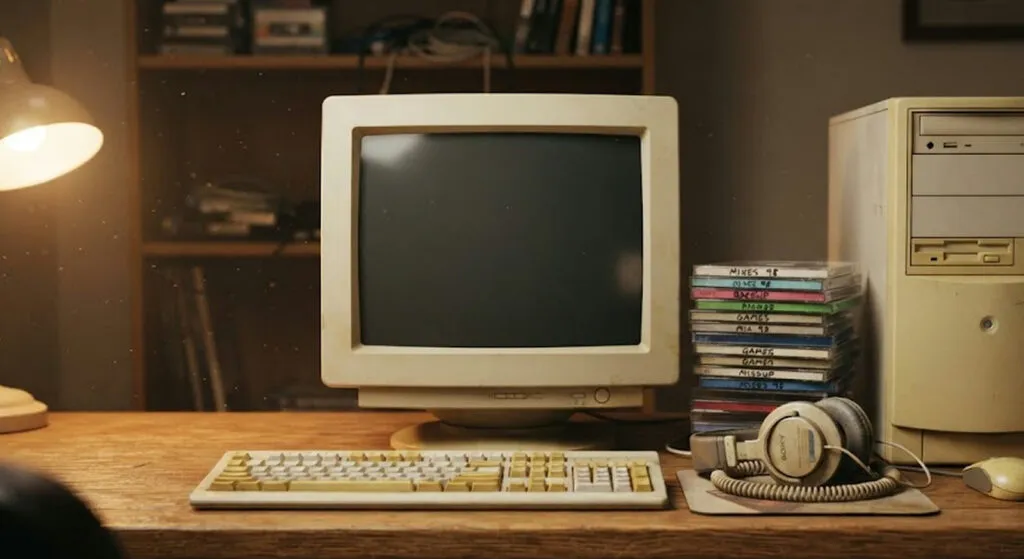
The player that raised the MP3 generation is betting nostalgia can be billed monthly. The new Winamp arrives in 2027,...
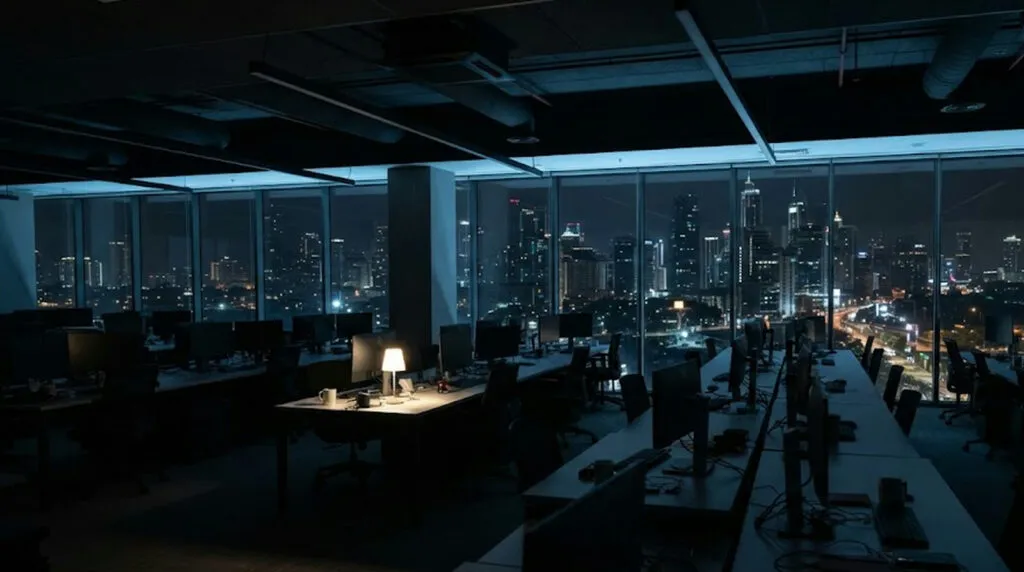
The man selling the world's best-known artificial intelligence says we will not work less. He also claims we will secretly...

Autonomous vehicles have blocked ambulances, driven into crime scenes and failed to recognise emergency lights. The bill demands the one...
This site uses cookies - is that okay? Learn more
Be the first to know when Metla launches something new
Leave your email and we will write when there is a new guide or something new on Metla.