Smugglers Dragged a Police Officer With Their Vehicle at Blace: the Second Car Is What Tells You This Wasn't an Accident
14.09.2026


14.09.2026
14.09.2026
14.09.2026
14.09.2026
13.09.2026

12.09.2026

14.09.2026

14.09.2026

13.09.2026

14.09.2026

14.09.2026

14.09.2026

14.09.2026
13.09.2026

12.09.2026

14.09.2026

14.09.2026

14.09.2026

14.09.2026

14.09.2026

13.09.2026

09.03.2026

27.02.2026

19.02.2026

23.04.2026

23.04.2026

12.04.2026

Sixteen thousand tonnes of copper a year and an investment of around 350 million euros in the first two years of construction. Those are the figures used to defend the Ilovica-Shtuka mine. On the other side, environmental organisations have given the government until 29 September to annul the concessions, after ten years of resistance.
In the same week, both sides laid out their positions. The result is one of the clearest disputes we have - and one of the most poorly debated.
The case for
The initiative "Both Health and Work" argues that mining projects of strategic importance must not be subject to political blackmail and blockades by small organised groups. "We believe one small group must not have the right to block the economic future of an entire country", their statement says.
The context they use is not invented. The price of copper is at historic highs, and Europe is actively looking for secure sources of critical minerals. The European Union's Critical Raw Materials Act set targets for 2030: at least 10 percent of annual needs to be sourced through extraction within the Union, 40 percent through processing and 25 percent through recycling. At the same time, the EU aims not to source more than 65 percent of annual consumption of any individual strategic raw material from a single third country.
That means copper near Strumica is not merely a local question - it has a price on a market that has just become geopolitical.
The case against
The civic organisations say the 29 September deadline was set through mutual consultation and that they consider that day, when the government holds its regular session, to be final. They submitted a joint request for annulment of the concessions back in June. After ten years on the barricades, as they put it, they no longer accept postponements.
"If this mine opens, there will be no peace for us here. Everything will be polluted, everything will be problematic, and the investor himself will have to operate under emergency conditions. The situation needs solving while there is still time", said Gjorgji Tanushev of "Healthy Valley".
If the concessions are not annulled by the deadline, they announce they will make use of what they call their "guaranteed constitutional rights to self-protection".
What nobody is talking about
Between the two statements sits a question neither side asks out loud: how much of the value created stays in the country?
That is the key difference between a country that has resources and a country that benefits from them. If the ore is dug here while the processing, manufacturing and technological gain are created in other countries, the domestic economy gets only a small share of the total value - jobs at the pit and concession revenue, while the profit leaves on the ship.
The Strumica valley is a further complication that rarely enters the calculations. It is one of the most fertile agricultural areas in the country, and there the land, the water and the reputation of local food are an economic resource just as much as the minerals beneath the surface. An investment can carry a large monetary figure while any pollution creates long-term damage to agriculture, health and trust in local produce. No serious economic analysis may count only exports, taxes and headcount.
Modern mining can use safer technologies than before, but no technology is without risk. A responsible state does not promise zero danger - it establishes strict rules, financial guarantees, independent oversight and mechanisms for swift compensation.
The question is not mine or no mine
The dispute is usually conducted as a choice between two extremes. That is the wrong question. The real one goes: what kind of mining can be permitted, at which locations, with which technology, under whose oversight and for what public benefit.
And the answers to those questions must not come from the investor alone. They require independent experts, accessible studies, public hearings and oversight that local communities take part in.
And there lies the real problem. Macedonia's biggest deficit in this story is probably not in untapped deposits, but in trust in the institutions that are supposed to decide. When citizens do not believe the environmental study will be read, that the monitoring will be real, and that the permit will not depend on a phone call - then every project comes down to a barricade facing a press release.
On 29 September the government will have to say something. What it says matters less than what it says it on the basis of.
The latest 10 news from this category
The tax falls, petrol gets more expensive - both true at the same time. The measure lasts fourteen days, and...
Two calls offer up to 500,000 denars per company, with a university as a mandatory partner. The idea is good...
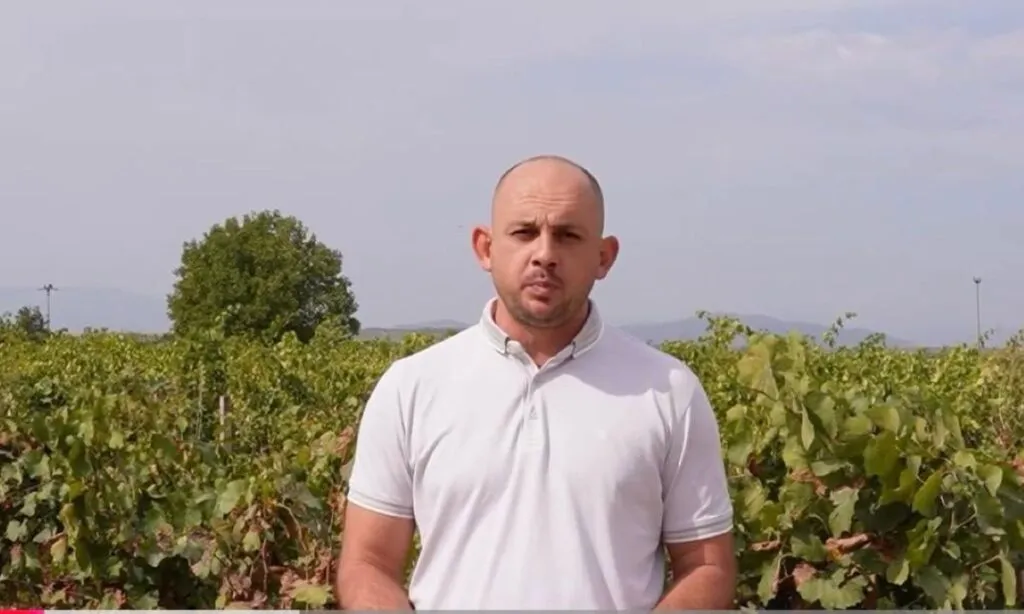
Nobody pulls out a vine out of spite. You pull it out when the numbers stop adding up - and...

A researcher quit because the firms are gambling with our lives. Instead of denying it, Anthropic confirmed it - with...
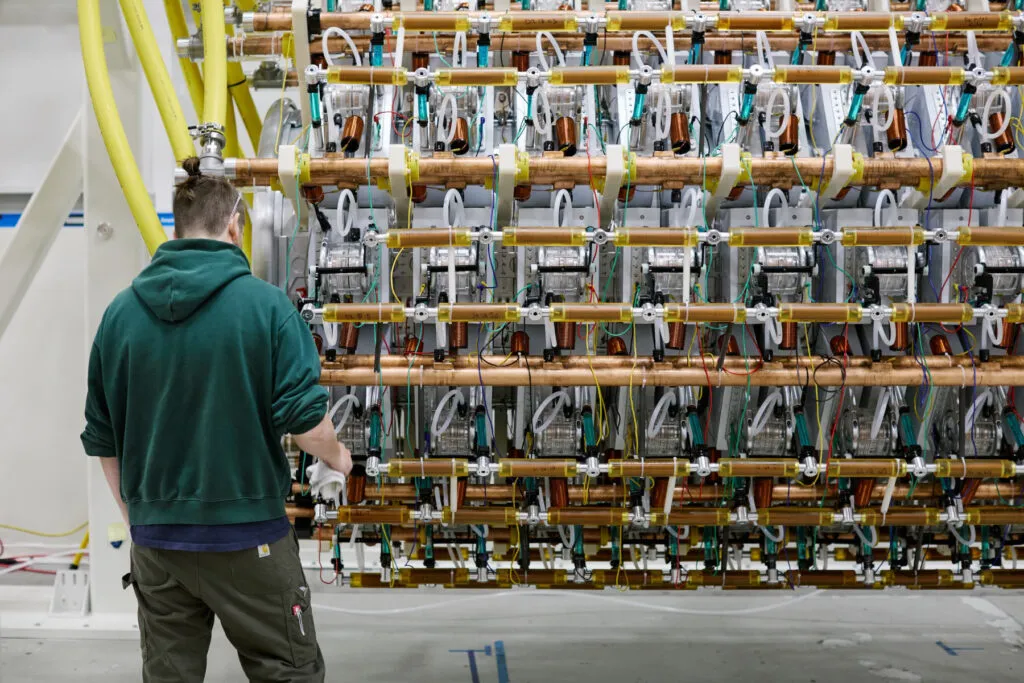
A technology sold for decades as the answer to the climate is now taking money from the defence industry. The...
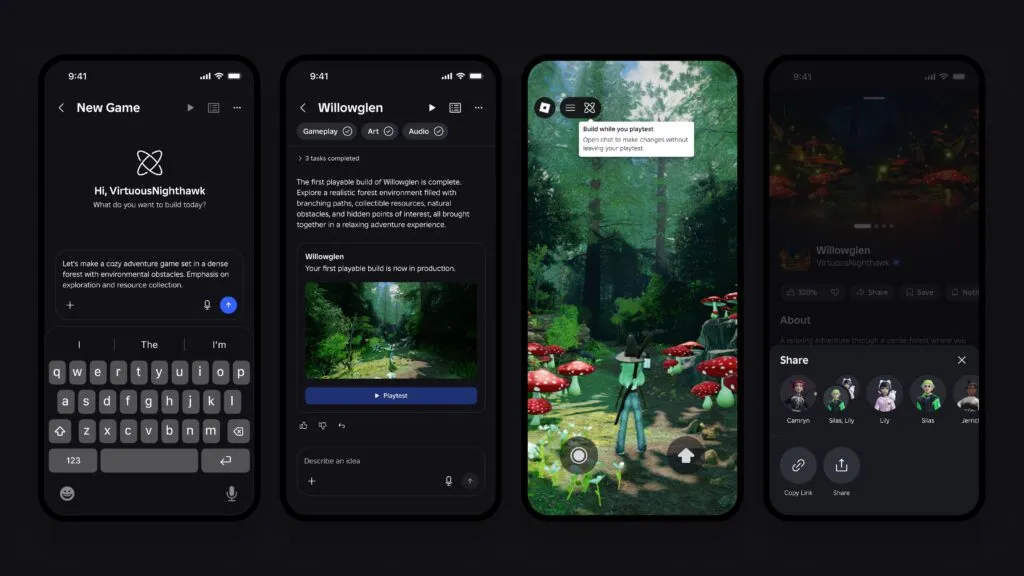
Write a sentence, get a game. Until now it worked only in New Zealand, now in Belgrade too. Creators on...
The deficit target raised from 3.5 to 4.1 percent of GDP, spending growing faster than revenue, and the growth forecast...

On euro loans with a variable rate, the rise comes due at the next reset. On fixed ones, it does...
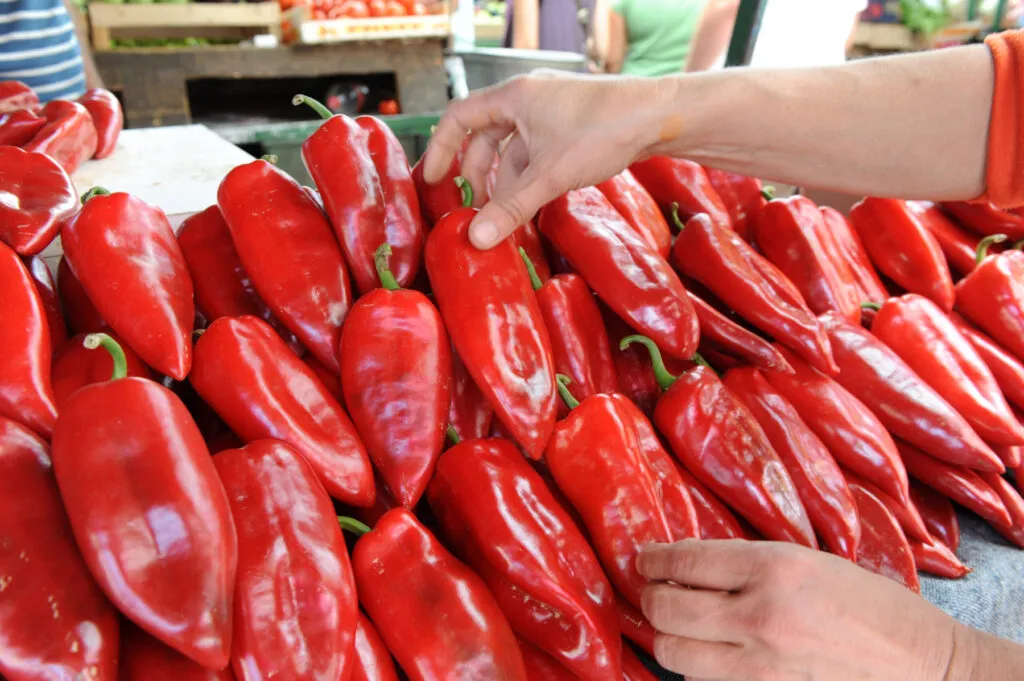
The agreed price for first class is 40 denars. At the collection points they pay 15 to 18. Across the...
A Skopje company owes 14.87 million euros and there is nothing to recover it from. In one month the total...
This site uses cookies - is that okay? Learn more
Be the first to know when Metla launches something new
Leave your email and we will write when there is a new guide or something new on Metla.