
Sixteen Arrests in Twenty-Four Hours, All for Drugs: The Police Are Working - But Where Are All These People Coming From?
20.09.2026


20.09.2026

20.09.2026

20.09.2026

20.09.2026

20.09.2026

20.09.2026

20.09.2026

20.09.2026

20.09.2026

20.09.2026

20.09.2026

19.09.2026

20.09.2026

20.09.2026

20.09.2026

20.09.2026

19.09.2026

18.09.2026

20.09.2026

20.09.2026

20.09.2026

20.09.2026

20.09.2026

20.09.2026

09.03.2026

27.02.2026

19.02.2026

20.09.2026

19.09.2026

18.09.2026

23.04.2026

23.04.2026

12.04.2026


The number looks like good news: 643 million dollars (around 590 million euros) have gone into US startups founded by Black entrepreneurs since the start of the year - a sum not seen since 2022, when the figure was 653 million. But the moment you read the fine print, the story of progress falls apart.
All of that sum comes from just 34 deals, with the bulk concentrated in a few mega-rounds: 350 million dollars for the hardware AI company SambaNova, 75 million for the sports-prediction startup Noviq and 47 million for the insurance AI platform Harper. In other words - this isn't a broad wave of funding, but three or four lucky ones and everyone else.
The context destroys the last illusion. Last year Black founders raised a total of 942 million dollars - which is only 0.32 percent of the country's total 290 billion in venture dollars. And this year, while they raised 643 million, the entire US startup ecosystem pulled in 252 billion. The record, then, is a record only compared to a few weak years, not compared to reality.
Gené Teare, head of research at Crunchbase, points to what actually holds many founders back: "access to networks, relationships and early referrals." And she adds something that holds far beyond this particular group: "We've been in a venture funding downturn for eight to nine quarters, but the data show a steady decline in money for Black-founded companies that outpaces the general decline."
Teare's conclusion is the sharpest part: "One has to wonder whether the excessive caution now ruling the industry stopped investors from taking risks on first-time founders - who more often come from diverse backgrounds." Translated: when money is scarce, the first to fall out is the one who was never fully in to begin with. A pattern we know very well in the Balkans.
The latest 10 news from this category
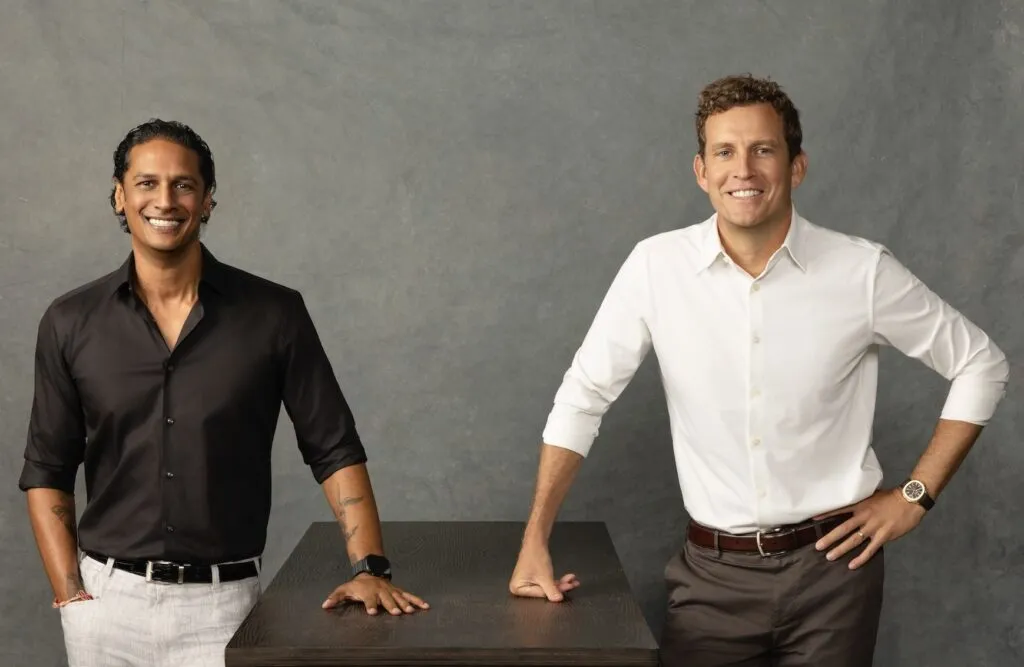
Porsche, Alaska Airlines and J.B. Hunt are not buying startups - they are commissioning them. When innovation moves inside the...

Sold for two billion, blocked by the state, bought back by its own investors - and now worth twice as...

An eight-year-old firm that started out mining crypto has tripled its value in ten months. It did not discover anything...

The price of uranium has jumped 75 percent in five years, and the list of countries that mine it reads...
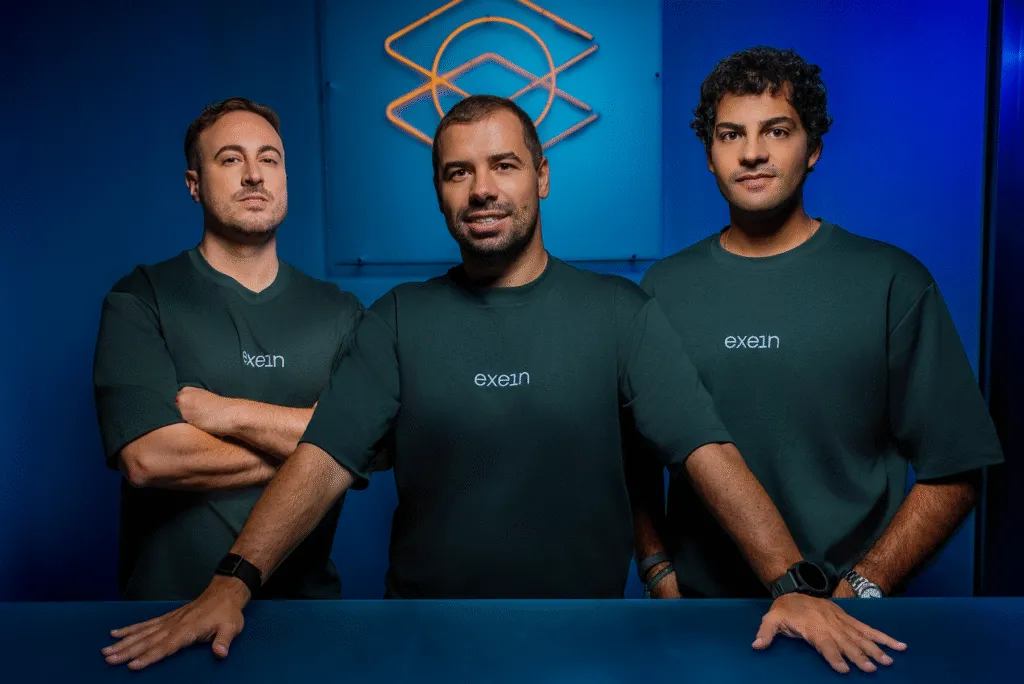
Exein raised 270 million dollars and its valuation jumped thirtyfold in two years. The European regulation coming into force in...

A startup valued at 94 million dollars changed hands, and both sides said openly what was being bought - not...
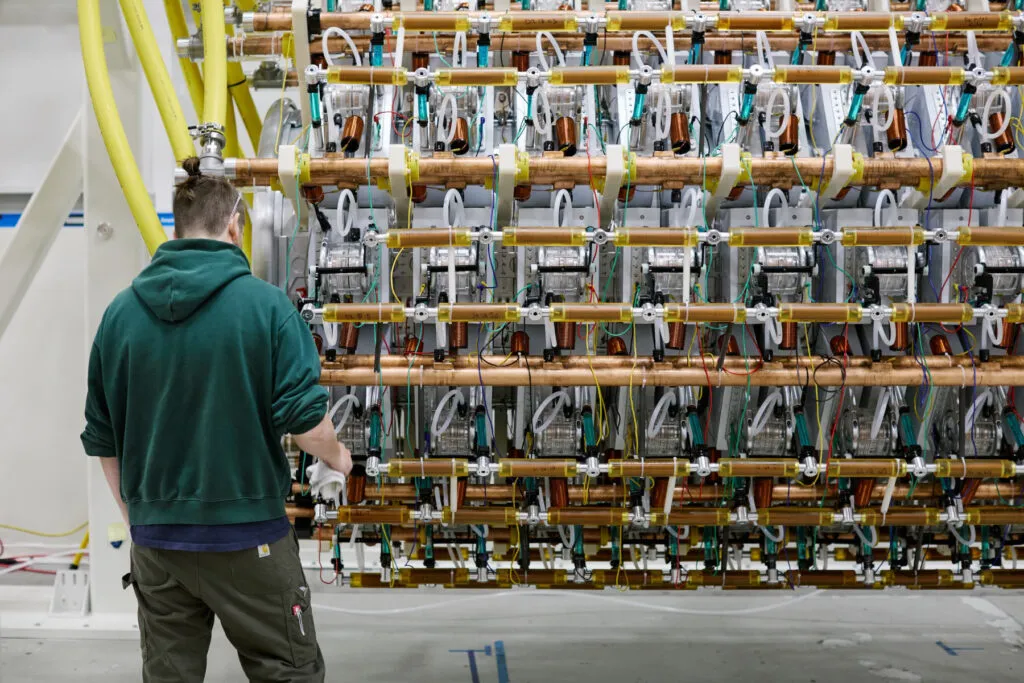
A technology sold for decades as the answer to the climate is now taking money from the defence industry. The...

The board voted, the founder kicked the administrators out of Slack and held out for three days. What does a...

Three months ago the company raised 60 million. Now it is worth almost ten times that, and its product is...

After Ohridska Banka, Sparkasse has gone after a second one. The approvals come from Podgorica, Belgrade and Frankfurt. The market...
This site uses cookies - is that okay? Learn more
Be the first to know when Metla launches something new
Leave your email and we will write when there is a new guide or something new on Metla.