


"That's not my job": the trial of the 13 Puls police officers restarted from scratch, and witnesses describe help being refused
22.09.2026


22.09.2026

22.09.2026

22.09.2026

22.09.2026

22.09.2026

22.09.2026

22.09.2026

21.09.2026

20.09.2026

22.09.2026

22.09.2026

21.09.2026

22.09.2026

22.09.2026

22.09.2026

22.09.2026

21.09.2026

20.09.2026

22.09.2026

22.09.2026

22.09.2026
22.09.2026

22.09.2026

22.09.2026

09.03.2026

27.02.2026

19.02.2026

22.09.2026

21.09.2026

21.09.2026

23.04.2026

23.04.2026

12.04.2026

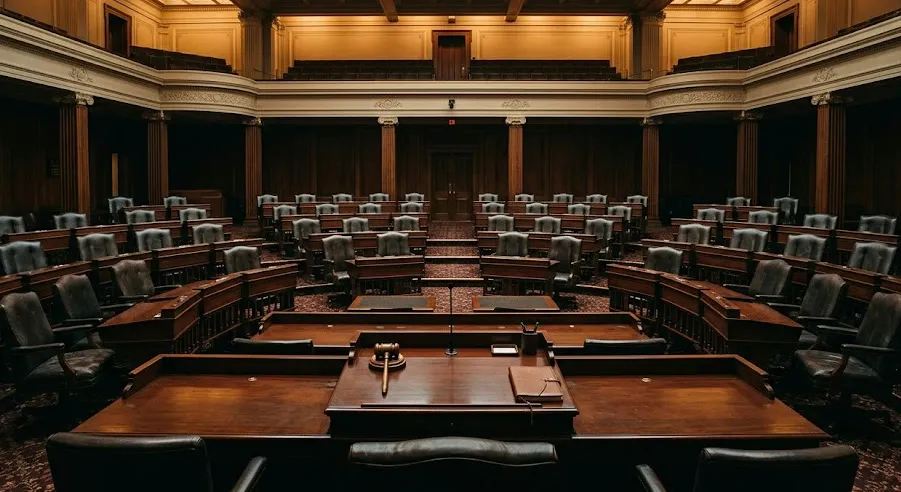
Republican senators openly revolted against Donald Trump at a tense meeting in the US Senate on Friday. The trigger wasn't one thing but several at once: the controversial „Anti-Abuse Fund" worth 1.776 billion dollars, the endorsement of primary challengers to established party senators, and a blocked critical immigration funding package.
Senator Tom Cotton, usually one of Trump's most loyal allies, asked it straight: „Who thought this was a good idea? Who picked this moment?" That's public criticism from someone who rarely puts daylight between himself and Trump. When Cotton shows up in the headlines as an opposition voice, something significant is happening.
Senator Ted Cruz was bleaker: „It was one of the fiercest meetings I've sat through in my entire Senate career. The word 'fierce' doesn't even get close." Cruz isn't someone who complains about drama - his line points to a deep tension in the Republican caucus that won't be solved in one sitting.
Two main points fueled the revolt. First - Trump's proposed fund for alleged victims of „political persecution", including the January 6 Capitol attackers. A massive sum that would effectively function as partisan revenge. Second - billions in security funding for a project to add a ballroom at the White House. Senators see funds heading to personal projects, with no review.
More serious still, Trump endorsed Ken Paxton over Senator John Cornyn in the Texas primary. Cornyn is a respected party veteran; Paxton is a controversial former attorney general trailing a string of legal problems. Trump's endorsement of Paxton signals that party loyalty won't be rewarded - challengers will get his backing even against more reputable politicians.
The conflict has already blocked a key 70-billion-dollar package for immigration enforcement. Which means Trump's core campaign theme - deportations, the border, ICE funding - now depends on senators who are refusing to vote for his priorities. An almost historic paradox. He himself created the political climate that is now jamming him. The approval rating has fallen to 41 percent (from 45 in January), with strict Republican approval down from 75 to 57. Democrats lead 48-40 on the question of who should run Congress. Those are numbers from an era when political momentum is shifting, but how it ends is impossible to predict. The Balkans are watching, because foreign funding in our region often hangs on American domestic politics. And this isn't a good sign for stability.
The latest 10 news from this category

Washington, Copenhagen and Nuuk are signing off on a military presence on an island of 56,000 people - and the...
Phones in Krāslava rang by themselves, the fighters took off, and what exactly triggered the alert - nobody is saying....
In Mecklenburg the CDU finished on 4.9 percent and, for the first time in the history of the Federal Republic,...

Tisza took 16 years of power off Fidesz and won 141 of 199 parliamentary seats. Orbán now says Brussels is...
With 75 percent of protocols counted, the governing party leads in 208 of the 225 single-mandate districts. A parliament of...

He never sat on the throne, and the emirate is lowering its flags for ten days. Sometimes the surname says...

Three options on the table in Washington - military pressure, economic strangulation or a deal - and the president frames...
The party of Adenauer and Kohl slid to the electoral threshold in Mecklenburg, the AfD is already demanding the chancellor's...
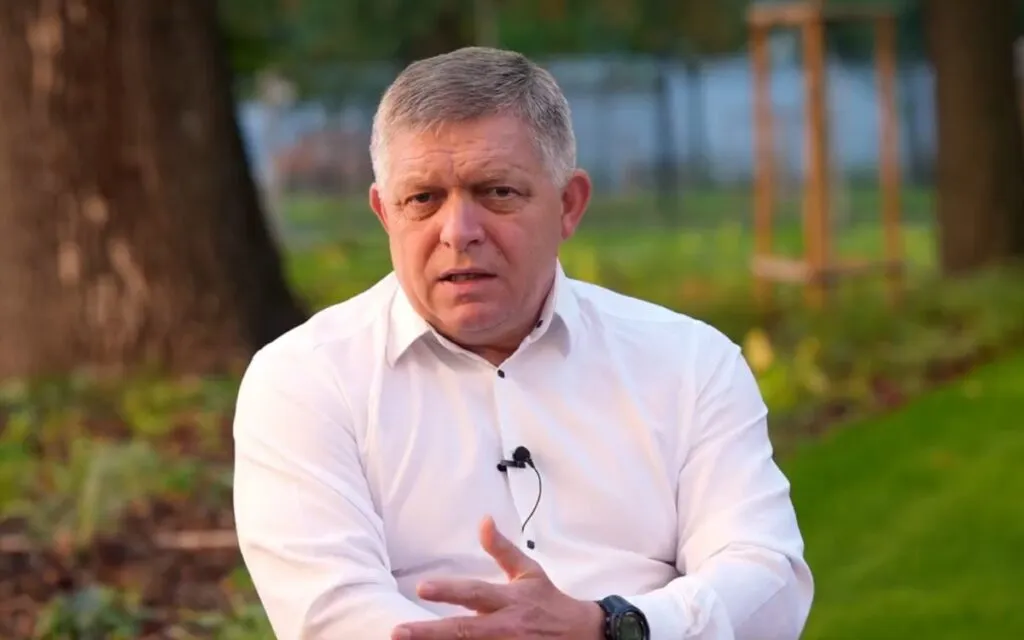
Two prime ministers in the same Union, the same month, completely opposite diagnoses of who is provoking whom. There is...

A broken aircraft in a field usually ends up in a police note. This one ended up with federal investigators,...
This site uses cookies - is that okay? Learn more
Be the first to know when Metla launches something new
Leave your email and we will write when there is a new guide or something new on Metla.
