


Studeničani: 35-year-old dies after being electrocuted while washing his car with a pressure washer
18.09.2026


18.09.2026
18.09.2026

18.09.2026

18.09.2026

18.09.2026
18.09.2026

18.09.2026

17.09.2026

16.09.2026

18.09.2026

18.09.2026

17.09.2026

18.09.2026

18.09.2026

18.09.2026

18.09.2026

17.09.2026

16.09.2026

18.09.2026

18.09.2026
18.09.2026

18.09.2026

17.09.2026

17.09.2026

09.03.2026

27.02.2026

19.02.2026

18.09.2026

17.09.2026

16.09.2026

23.04.2026

23.04.2026

12.04.2026

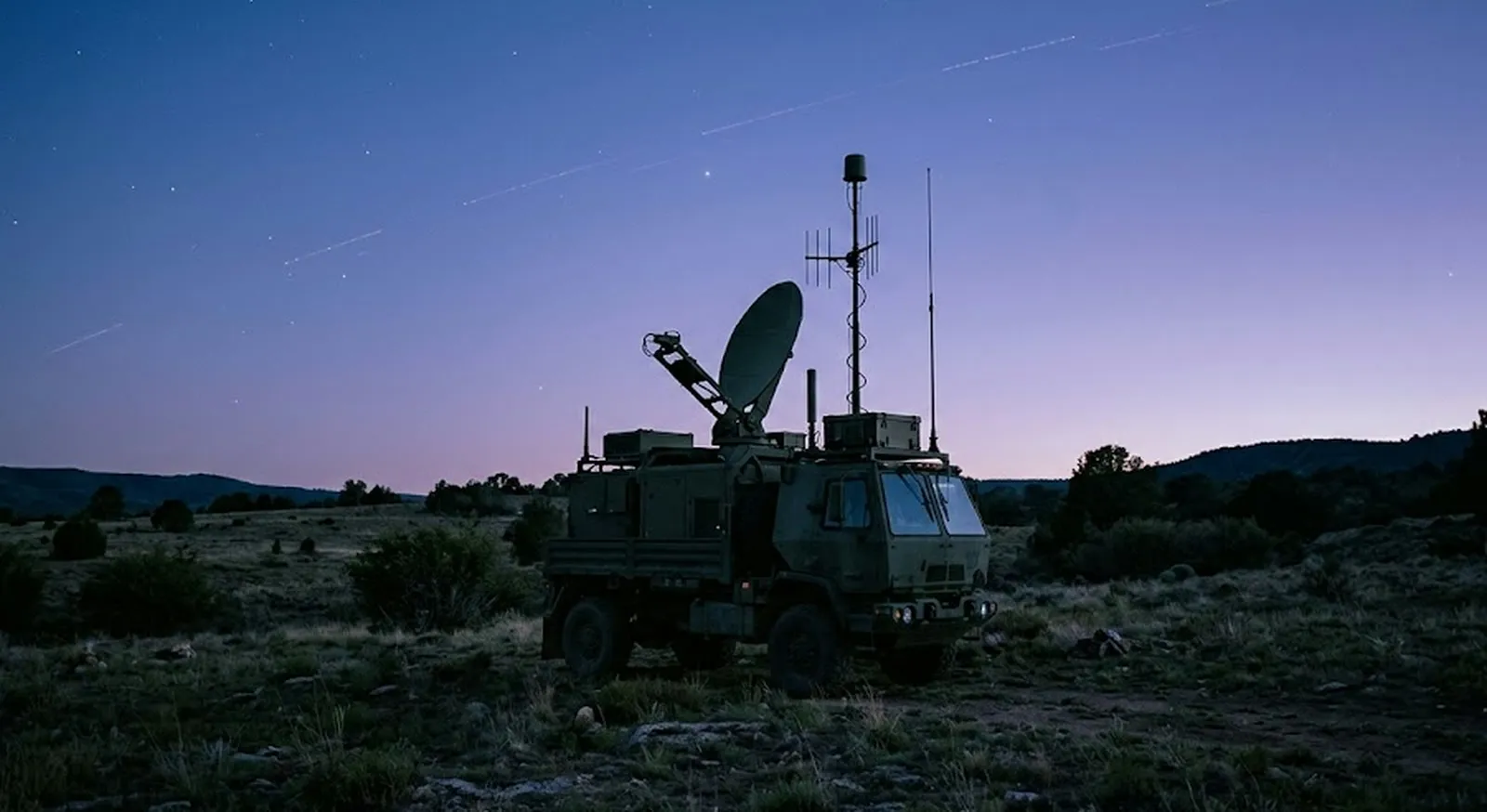
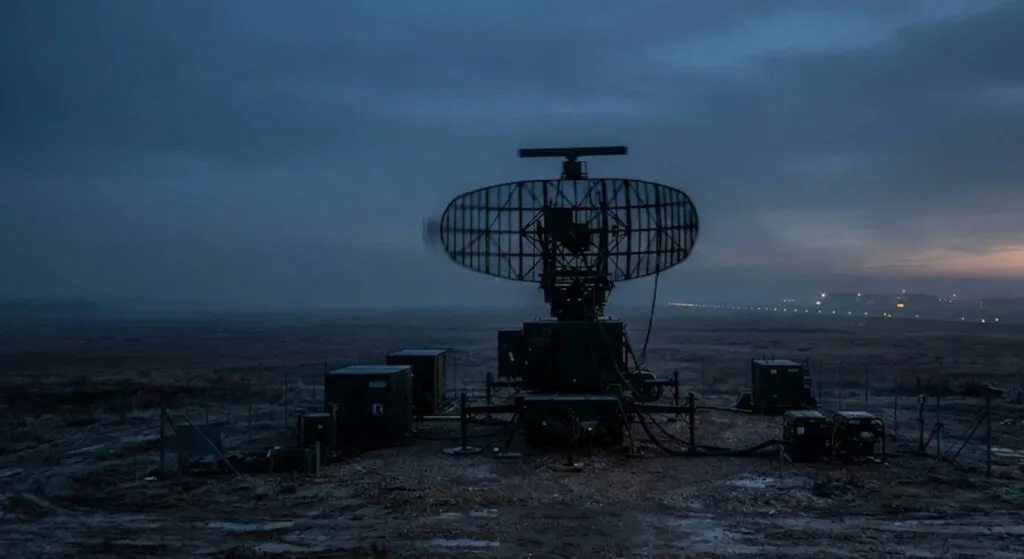
The satellite internet that kept the Ukrainian front connected has turned out to be not so untouchable. According to Russian sources, Moscow has developed an electronic-warfare system designed to cut off the communications of Starlink - Elon Musk's network of satellites.
The system, it is claimed, creates radio interference in zones of about 20 kilometers around the spot where it is deployed. Several directional antennas on mobile platforms can simultaneously attack a single satellite or a whole cluster, severing the link with ground terminals. The goal isn't to destroy all of Starlink - that would be science fiction - but to create local zones where drones, terminals and communications fail at exactly the crucial moment.
The military analyst commenting on the system claims the effect is visible on the ground: along certain axes where Ukrainian drones regularly hit Russian fuel tankers, the vehicles are now more often reaching their target. Even Ukrainian electronic-warfare specialists admit Russia has significantly improved its anti-satellite systems over the past two years.
And here lies something that outlasts this front. The whole story of modern war turned on the idea that private technology - one billionaire's satellites - could tip the balance. Now it turns out every technological edge has its expiry date and its antidote. For a small region like ours, increasingly dependent on someone else's networks, servers and satellites, the question is uncomfortable: what happens when the infrastructure you rely on is in someone else's hands, and someone else holds the switch?
The latest 10 news from this category

The bill passed with 262 votes, and the key to it has been handed to a man who has already...
Ukraine adapts in weeks, the Alliance in decades. Europe is paying for Patriot systems from 1991 and is only now...
Missiles and drones on the Ukrainian capital, damaged water mains and residential buildings. The same night, Ukrainian drones set the...

Trump hopes the war is ending and is preparing to gather the Gulf leaders. Oil prices have jumped, and the...

Ukraine says when, where and which unit did it. Russia's defence ministry has not a single sentence about the circumstances....
Norway's prime minister talks about a plane a drone "almost hit". Moldova, the only party holding the figures, reported that...
Ukraine was shooting down nine out of ten of the old drones. Then Russia changed the drone - and in...
It was shot down a few minutes after midnight, and all of Vilnius got a warning on their phones. Two...
The entire story comes from one side, and the headlines turn it into a turning point. The difference between the...
Between 2,300 and 3,000 North Korean soldiers have died in Kursk so far. Kim Jong Un has found an export...
This site uses cookies - is that okay? Learn more
Be the first to know when Metla launches something new
Leave your email and we will write when there is a new guide or something new on Metla.
