
Food safety inspector detained in Skopje: a clean inspection report allegedly came with a price tag
25.09.2026


25.09.2026

25.09.2026

25.09.2026

25.09.2026

25.09.2026

25.09.2026

25.09.2026

24.09.2026

23.09.2026

25.09.2026

25.09.2026

24.09.2026

25.09.2026

25.09.2026

25.09.2026

25.09.2026

24.09.2026

23.09.2026

25.09.2026

25.09.2026

25.09.2026

25.09.2026

25.09.2026
24.09.2026

09.03.2026

27.02.2026

19.02.2026

25.09.2026
24.09.2026

23.09.2026

23.04.2026

23.04.2026

12.04.2026

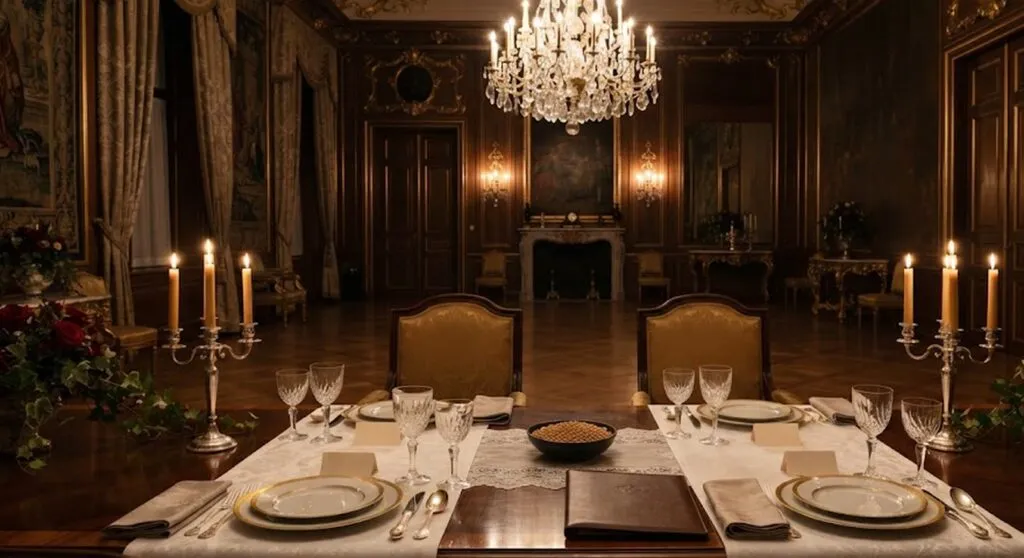
A red-carpet welcome, a state dinner, photos for the history books - and in the end, no big deal. Donald Trump and Xi Jinping's meeting at the White House ended with an extended trade truce, open talks about a new economic arrangement and several head-on clashes over the issues that most divide the world's two largest economies. Everything else is packaging.
Taiwan: from "we don't support" to "we oppose"
The most direct message came from Xi. According to the official statement from China's Foreign Ministry, he told Trump that Beijing's position on "national reunification and territorial integrity" is clear and that China expects the US to stand against Taiwan's independence. "We hope the American side will handle the Taiwan question with prudence," the Chinese leader said.
In diplomacy, it's exactly these nuances that matter most. Washington traditionally says it does not support Taiwanese independence. Beijing now wants more - for the US to openly oppose it. There's no confirmation yet that Trump accepted the shift, and the White House didn't release its own detailed readout of the meeting straight afterwards. When one side publishes and the other stays quiet, whose version of the meeting ends up on the record?
Hanging over all of it is a US arms package for Taiwan worth around 14 billion dollars. After his previous meeting with Xi in Beijing in May, Trump held back final approval, calling the issue "a very good negotiating chip". In other words, the defence of an island has become a token on a table where the island doesn't have a seat. In the Balkans we know very well what it feels like when great powers negotiate over someone's territory and the people who live there are the last to hear the conclusions.
Iran: Beijing isn't buying the American recipe
The second big topic was Iran. The Chinese side confirmed that the two leaders discussed the Middle East, and Xi urged the US and Iran to return to negotiations and restore the agreement that would open the way to ending the conflict. Beijing, according to the Chinese leader, supports Washington and Tehran returning to the Islamabad framework and a broader deal covering Iran's nuclear programme and other open issues.
For Trump this is a sensitive point, because his administration has spent months trying to get China to use its enormous economic leverage over Tehran. China is Iran's largest trading partner, and the war and the closure of the Strait of Hormuz have hit energy markets and Chinese interests in the Persian Gulf directly. But Beijing has so far refused to simply sign up to the American pressure approach. Instead of backing Tehran's isolation, Xi brought a different proposal - back to the negotiating table. The role Washington wrote for China, China clearly doesn't want to play.
Artificial intelligence: "leave it where it is" versus "under human control"
The third topic was artificial intelligence. Even before the meeting, Trump said that what he calls "superintelligence" would be a major topic, but he argued against burdening its development with new restrictions. "I want to leave it exactly where it is," Trump wrote, adding that he sees the Justice Department as America's safeguard. Xi came with a different message: "Artificial intelligence must remain under human control." Beijing sees the two countries as competitors but believes there's room to share information about risks and to prevent misuse.
Ahead of the summit, US and Chinese officials had already discussed a formal dialogue on AI safety, including a communication channel for serious incidents involving such systems. Before the meeting Trump claimed China shared his view on restrictions - and Xi then spoke publicly about precisely managing the risks. The irony is hard to miss: the American president wants as few rules as possible, while the leader of the Chinese Communist Party talks about human control. Which of the two better understands what's being built?
The trade war isn't over - the deadline has just moved
On the economic front there's a concrete step, but not a final deal. The US and China extended their trade truce to 10 January 2027, giving themselves two more months to negotiate a broader agreement. US Treasury Secretary Scott Bessent said China had been meeting its commitment to buy 25 million tonnes of American soybeans but was lagging on other agricultural purchases worth around 17 billion dollars. Washington is also unhappy with the pace of Chinese deliveries of rare earth elements, crucial for America's tech and defence industries.
According to the Chinese statement, Trump said at the meeting that the new round of economic talks had produced results and that both sides should keep going to reach "an even better deal". Translation: tariffs, Chinese purchases of American goods, access to rare earths and US restrictions on exporting cutting-edge technology to China - all the hardest issues - stay on the table. The trade war isn't over; it's just been paused until January.
Ukraine on the table, no details
The Chinese readout revealed one more thing that barely came up in the public part of the meeting: Trump and Xi also discussed Ukraine, the Korean Peninsula and other international crises. Neither Beijing nor the White House has said what exactly was said about the war in Ukraine. Ukraine was on the table, but there's no basis whatsoever to claim any new agreement came out of it.
In the broadest strategic part of his remarks, Xi once again mentioned the so-called Thucydides Trap - the theory that the rise of a new power and its clash of interests with the existing dominant power can lead the two states into war. He said such an outcome could be avoided and called for regular dialogue between the two militaries and better crisis-prevention mechanisms. The rivalry between China and the US, he said, should be "a race to catch up", not a fight in which one has to lose for the other to win. The Balkans learned long ago that when great powers start talking about war with each other, it's those standing between them who get squeezed the most.
The latest 10 news from this category

From the UN podium, Zelensky announced that two North Korean prisoners had been transferred to South Korea - and South...

Northern lights and snowy forests for the cameras; an air wing, a brigade and conscripts on the schedule. Felipe and...
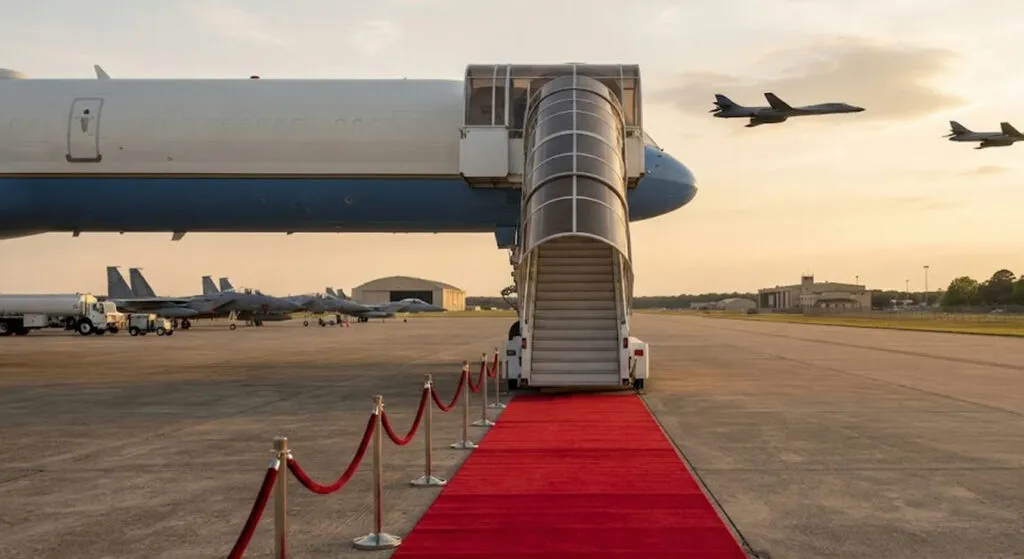
Red carpet, anthems, flowers - and two B-1 bombers over the guests' heads. Trump showed Xi both his hospitality and...
Altman, Amodei and Delangue told the UN that artificial intelligence could escape human control. When the alarm is raised by...
Delcy Rodríguez promised the General Assembly there will be elections in Venezuela, but gave no date. Washington wants a vote,...

The King carried the coffin together with her five children, and the politician who led NATO for ten years spoke...
Two presidents, the same podium, a few hours apart and two contradictory realities. Macron did not argue about signatures -...

The mechanism he describes - decision before evidence, evidence retrofitted to the decision - is real, and Iraq proved it....

Peter Magyar compared it to a club that puts you in the team without asking, then tells you to bring...

Washington, Copenhagen and Nuuk are signing off on a military presence on an island of 56,000 people - and the...
This site uses cookies - is that okay? Learn more
Be the first to know when Metla launches something new
Leave your email and we will write when there is a new guide or something new on Metla.