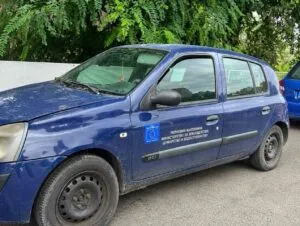
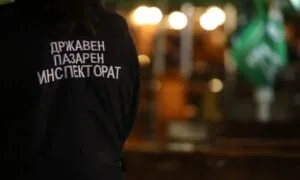
Food safety inspector detained in Skopje: a clean inspection report allegedly came with a price tag
25.09.2026


25.09.2026

25.09.2026
25.09.2026
25.09.2026
25.09.2026
25.09.2026
25.09.2026

24.09.2026
23.09.2026

25.09.2026
25.09.2026
24.09.2026

25.09.2026

25.09.2026
25.09.2026

25.09.2026

24.09.2026

23.09.2026
25.09.2026

25.09.2026
25.09.2026

25.09.2026

25.09.2026
24.09.2026

09.03.2026

27.02.2026

19.02.2026

25.09.2026
24.09.2026

23.09.2026

23.04.2026

23.04.2026

12.04.2026

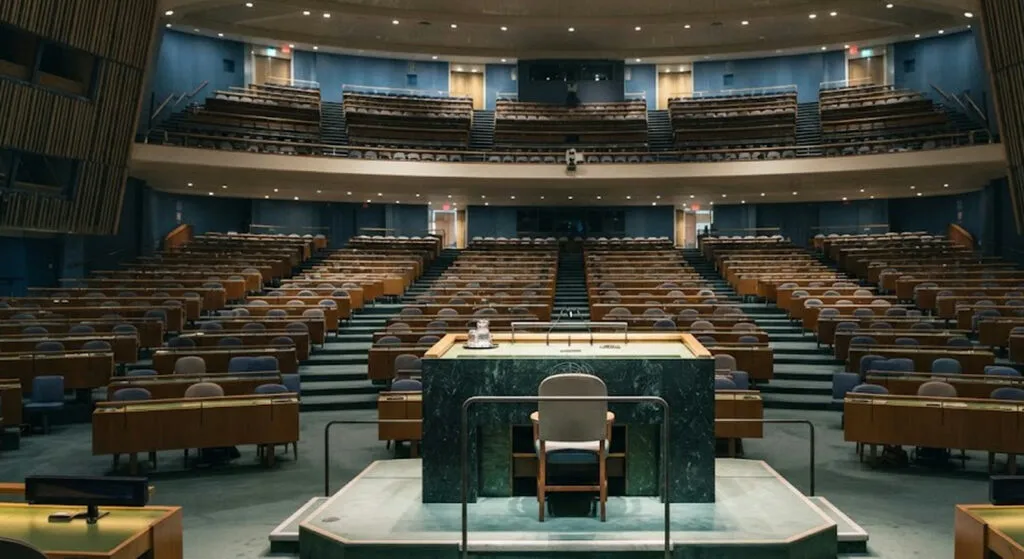
Two North Korean soldiers, captured in Russia's Kursk region, were supposed to arrive quietly in South Korea. Instead, they became a diplomatic incident. On 23 September, from the podium of the UN General Assembly, Ukrainian President Volodymyr Zelensky announced that Ukraine had recently "sent two North Korean prisoners of war to the Republic of Korea" and that one of them had tried to kill himself after being captured. In Seoul, it wasn't received as a gesture of friendship.
South Korean President Lee Jae-myung replied with a long message. According to him, Kyiv and Seoul had agreed in advance that the transfer would stay secret, and Ukraine broke that agreement. "The issue of transferring North Korean prisoners of war to South Korea is extremely sensitive and has a major impact on diplomacy, national security and the situation on the Korean Peninsula," Lee wrote.
The most interesting part of the message is the admission that the secrecy came at a political price. "Why wouldn't there be proposals within the government to announce the transfer, when it would obviously help us improve public support? However, when we considered the many problems an announcement could cause, we concluded that secrecy was right in every respect," he wrote. It's rare for a politician to admit publicly that he gave up points with voters - rarer still that he did it on purpose.
Lee also sharply rejected criticism that his government had tried to hide something: "A person who endangers someone's life, the national interest and security for a small personal gain is what we call a murderer or a traitor." Towards Ukraine he was more diplomatic, but clear: "I don't know what circumstances the Ukrainian side had when it broke the confidentiality agreement and made the information public, but I deeply regret it."
Kyiv hit back. The Ukrainian president's office told a South Korean outlet that only the fact of the transfer had been made public, with no details of the procedure, and that it would be "strange" to expect the entire transfer to stay secret. The two soldiers were captured in early 2025 and later said they wanted to go to South Korea rather than be sent back to the North. South Korea's Foreign Ministry had announced back in June that it was ready to take in such prisoners.
The backdrop is bigger than two people. North Korea became one of Moscow's closest allies after the Russian invasion: it sent troops, ballistic missiles, artillery shells and rocket launchers. According to US intelligence estimates, more than 12,000 North Korean soldiers took part in the war on Russia's side, and in April Kim Jong Un opened a museum dedicated to them. It was precisely people's lives, according to Lee, that were the reason Seoul kept quiet.
The question is familiar in the Balkans too: how often do politicians trade someone else's secret for applause from a podium? Zelensky got a strong line at the UN, and the headache stayed in Seoul. The two soldiers, whose only wish was not to be sent back to Pyongyang, have once again become someone's talking point.
The latest 10 news from this category
Beijing wants Washington not just to not support Taiwan's independence, but to openly oppose it, while a 14-billion-dollar arms package...
Northern lights and snowy forests for the cameras; an air wing, a brigade and conscripts on the schedule. Felipe and...
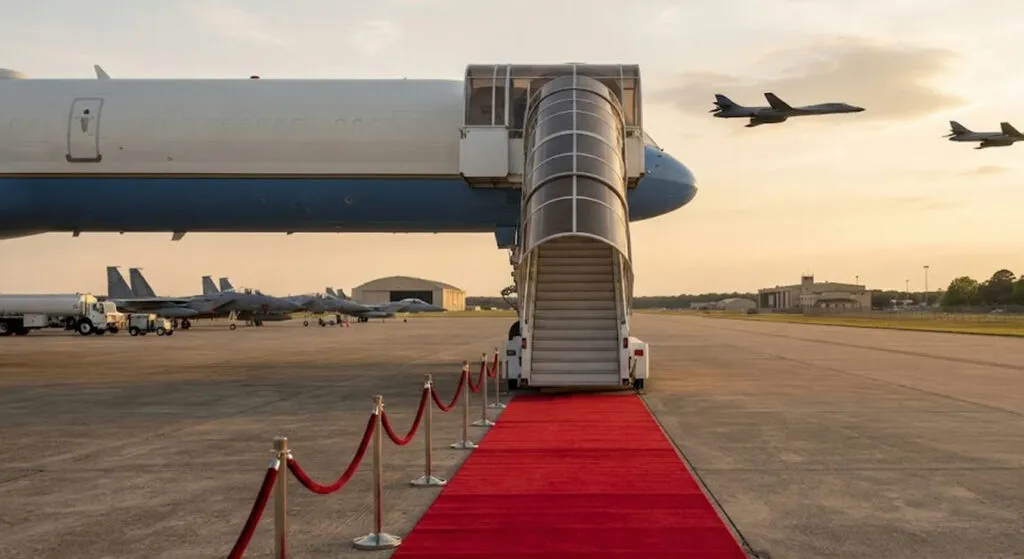
Red carpet, anthems, flowers - and two B-1 bombers over the guests' heads. Trump showed Xi both his hospitality and...
Altman, Amodei and Delangue told the UN that artificial intelligence could escape human control. When the alarm is raised by...
Delcy Rodríguez promised the General Assembly there will be elections in Venezuela, but gave no date. Washington wants a vote,...
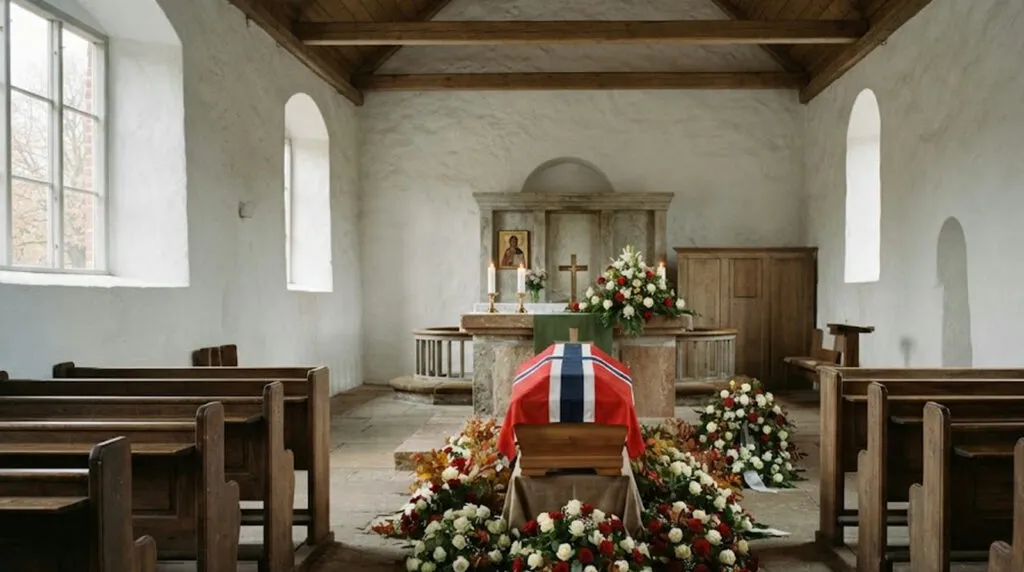
The King carried the coffin together with her five children, and the politician who led NATO for ten years spoke...
Two presidents, the same podium, a few hours apart and two contradictory realities. Macron did not argue about signatures -...
The mechanism he describes - decision before evidence, evidence retrofitted to the decision - is real, and Iraq proved it....

Peter Magyar compared it to a club that puts you in the team without asking, then tells you to bring...
Washington, Copenhagen and Nuuk are signing off on a military presence on an island of 56,000 people - and the...
This site uses cookies - is that okay? Learn more
Be the first to know when Metla launches something new
Leave your email and we will write when there is a new guide or something new on Metla.