
Two Schoolyard Assaults Reported in a Single Day: the Police Promised Measures, the Education System Said Nothing
19.09.2026


19.09.2026

19.09.2026
19.09.2026

19.09.2026

19.09.2026

19.09.2026

19.09.2026

18.09.2026

17.09.2026

19.09.2026

19.09.2026

18.09.2026

19.09.2026

19.09.2026

19.09.2026

19.09.2026

18.09.2026

17.09.2026

19.09.2026

19.09.2026

19.09.2026

19.09.2026

19.09.2026
18.09.2026

09.03.2026

27.02.2026

19.02.2026

19.09.2026

18.09.2026

17.09.2026

23.04.2026

23.04.2026

12.04.2026

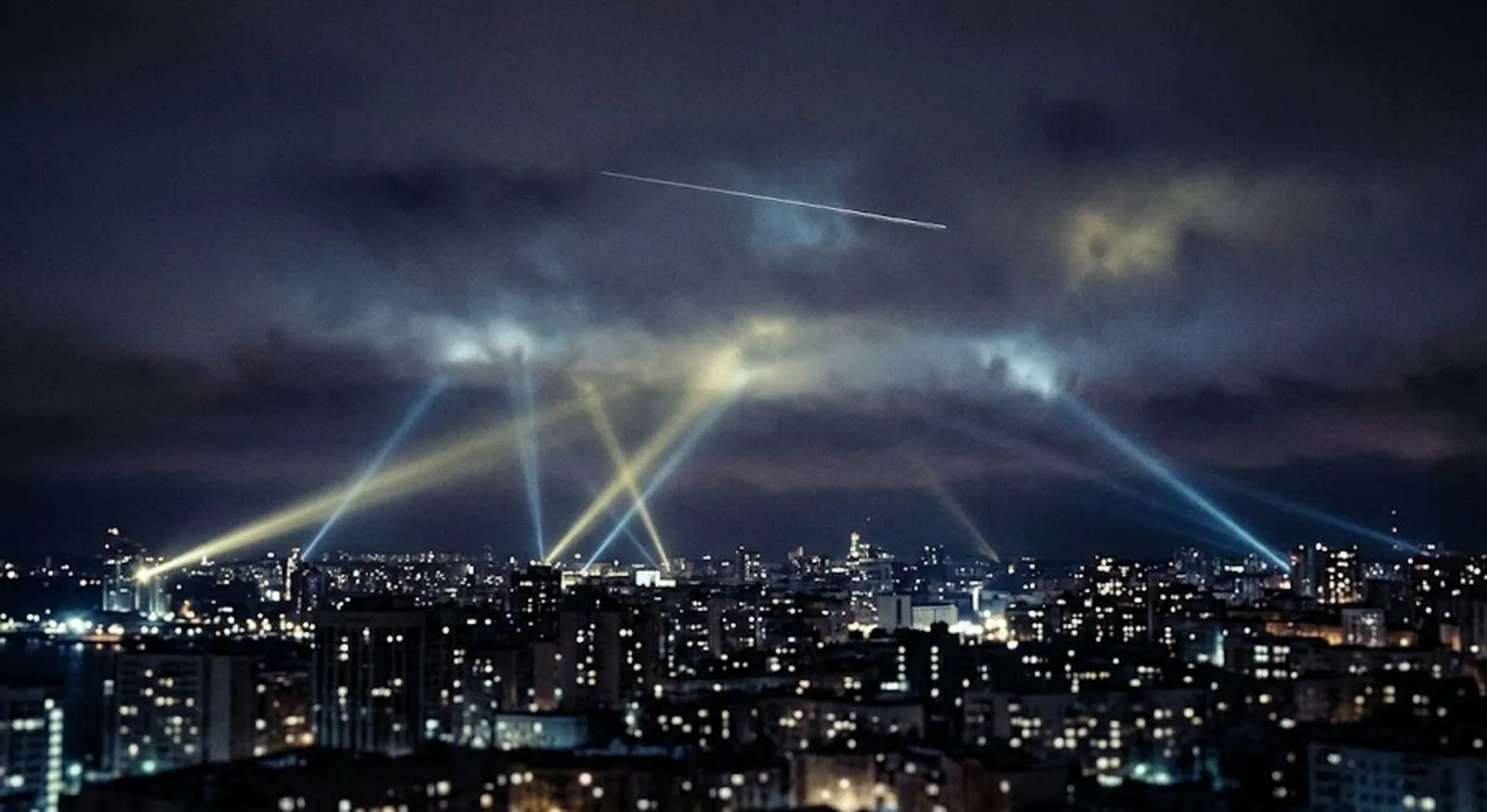
Ukraine these days looks to the sky with a fear it hasn't felt before. The military leadership in Kyiv warns that between June 11 and 14 there's a high probability Russia will for the first time use the "Oreshnik" missile with a real, destructive payload - and not, as before, merely for demonstration.
The difference isn't cosmetic. The launches so far were a message - a show of force without maximum damage. Now Kyiv fears that instead, warheads with explosives or fragmentation are coming, which could do incomparably greater damage. When a message becomes an attack, the rhetoric ends where the casualties begin.
Technically, the "Oreshnik" is a medium-range missile developed from the technology of the RS-26 "Rubezh." It flies at over Mach 10 - more than 12,000 kilometers per hour - and can carry six warhead blocks, or up to 36 elements that strike simultaneously. From launch to target takes only a few minutes.
The problem for Ukraine is that it has nothing to intercept it. Neither the "Patriot" systems, nor the more advanced American "THAAD" or the Israeli "Arrow 3" - which Kyiv doesn't have - offer reliable protection against targets arriving simultaneously, at extreme speed, along hard-to-predict trajectories. In other words, this is a weapon against which defense, at the moment, is almost theoretical.
For the Balkans this is no distant news. Every escalation in this war spills over into energy prices, into waves of refugees, and into the market jitters we feel directly. And every new "wonder missile" is a reminder of how quickly the rhetoric of deterrence can turn into real damage. The question isn't only whether Putin will launch - but how many times the world will let the threshold of the "unthinkable" be quietly nudged.
The latest 10 news from this category

Around 8,500 North Korean soldiers are still in Russia, among them 1,000 engineers and 400 drone operators. Estimates point to...
The unit was running, the operating regime did not change, there was no fire. The difference between a news item...

The bill passed with 262 votes, and the key to it has been handed to a man who has already...
Ukraine adapts in weeks, the Alliance in decades. Europe is paying for Patriot systems from 1991 and is only now...
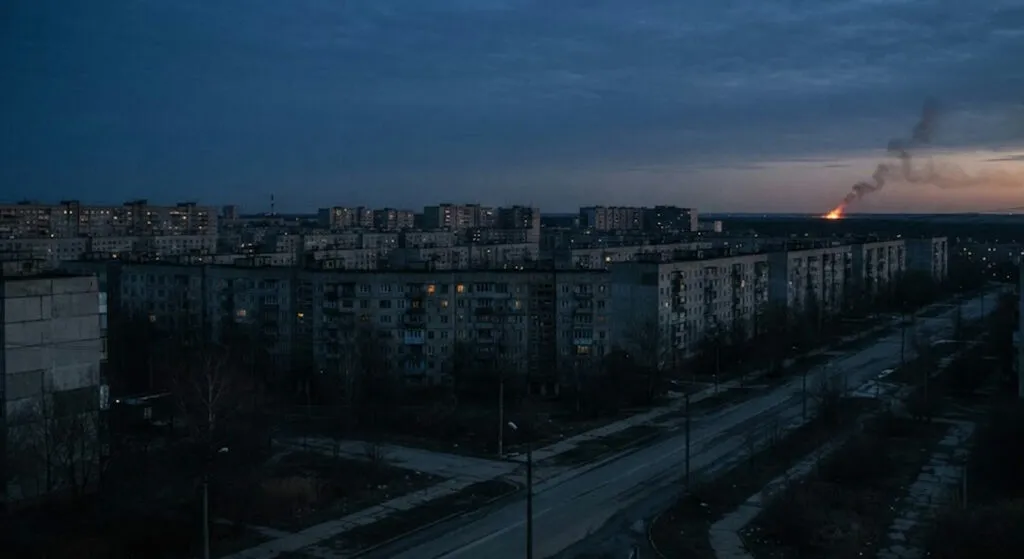
Missiles and drones on the Ukrainian capital, damaged water mains and residential buildings. The same night, Ukrainian drones set the...

Trump hopes the war is ending and is preparing to gather the Gulf leaders. Oil prices have jumped, and the...

Ukraine says when, where and which unit did it. Russia's defence ministry has not a single sentence about the circumstances....
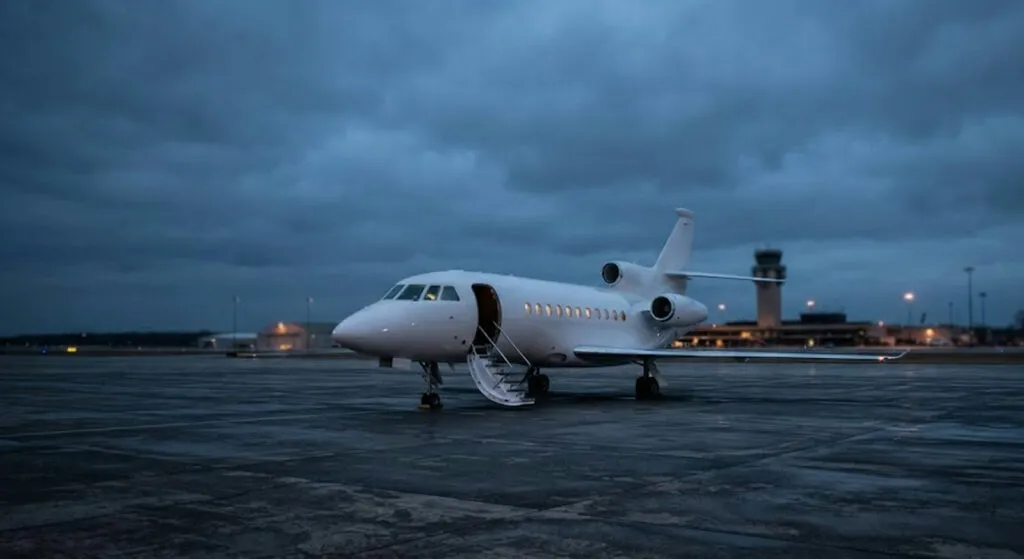
Norway's prime minister talks about a plane a drone "almost hit". Moldova, the only party holding the figures, reported that...
Ukraine was shooting down nine out of ten of the old drones. Then Russia changed the drone - and in...
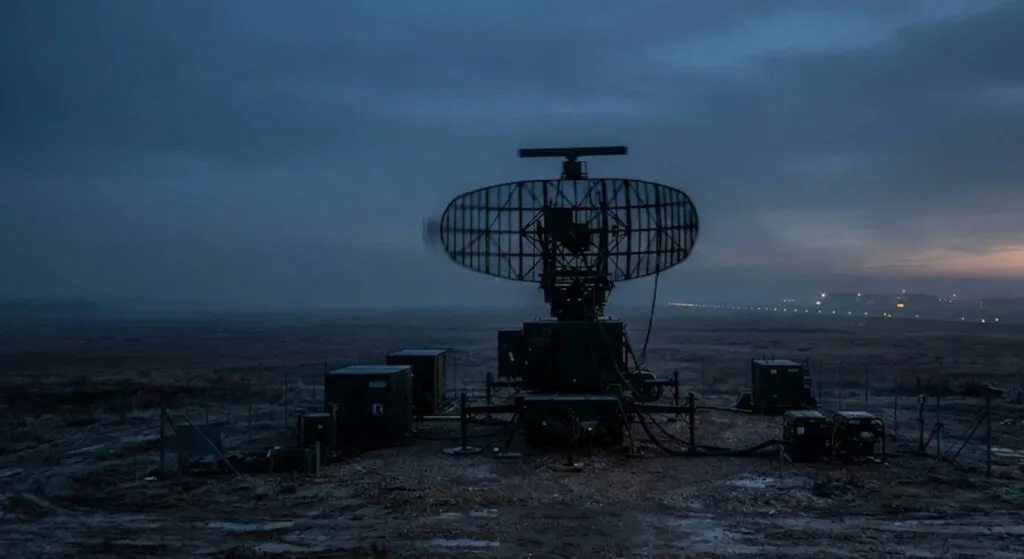
It was shot down a few minutes after midnight, and all of Vilnius got a warning on their phones. Two...
This site uses cookies - is that okay? Learn more
Be the first to know when Metla launches something new
Leave your email and we will write when there is a new guide or something new on Metla.