

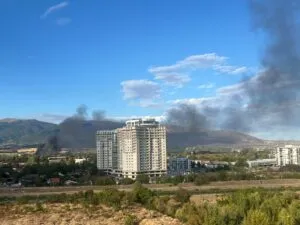
Black Smoke Over Skopje: A Paint and Varnish Warehouse Burned Inside the Old Steelworks
23.09.2026


23.09.2026
23.09.2026

23.09.2026

23.09.2026
23.09.2026
23.09.2026

23.09.2026
22.09.2026

21.09.2026

23.09.2026

23.09.2026

22.09.2026

23.09.2026

23.09.2026

23.09.2026

23.09.2026

22.09.2026

21.09.2026

23.09.2026

23.09.2026

23.09.2026

23.09.2026

23.09.2026

23.09.2026

09.03.2026

27.02.2026

19.02.2026

23.09.2026

22.09.2026

21.09.2026

23.04.2026

23.04.2026

12.04.2026

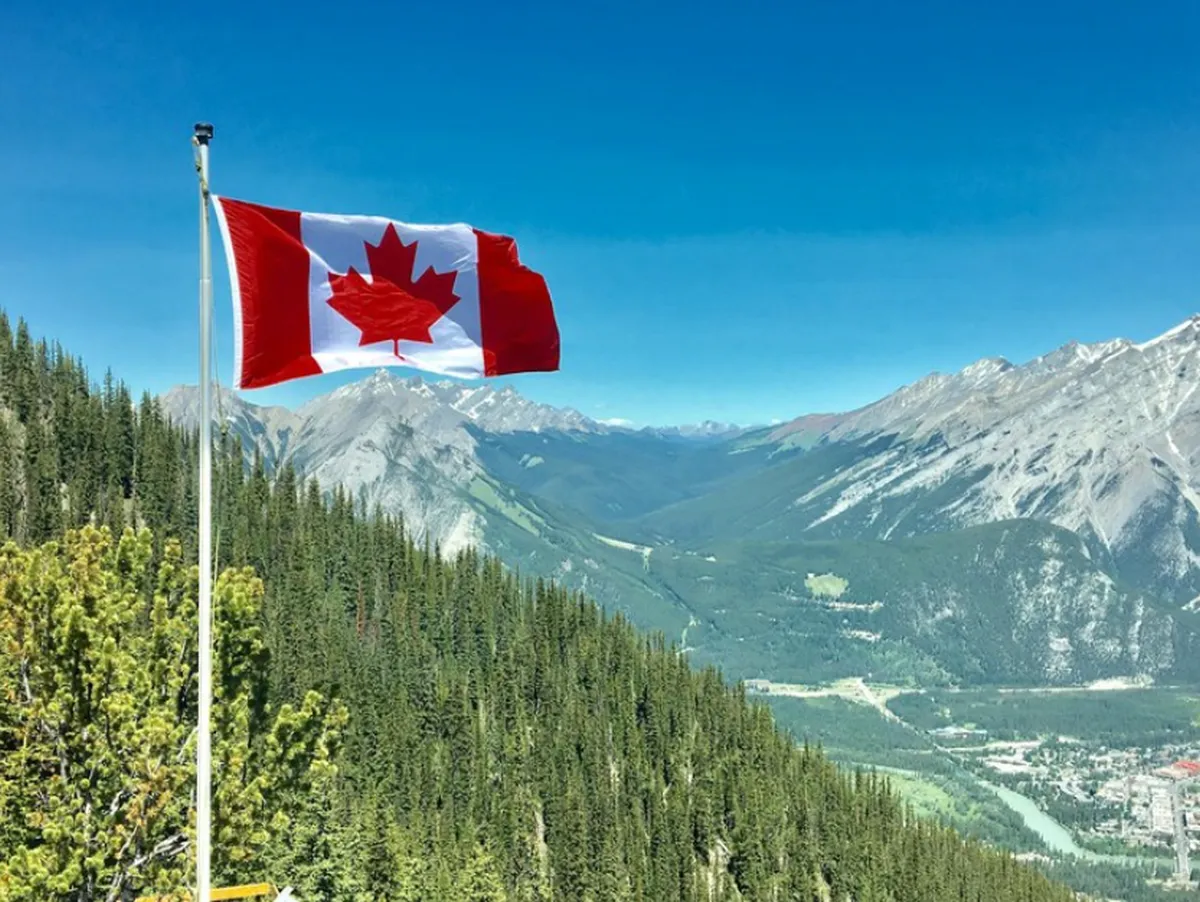
Canada's oil province of Alberta will hold a referendum in October that isn't directly about leaving Canada, but is a step in that direction. Premier Danielle Smith won't put a "Do you want independence?" question on the ballot - but rather: "Do you want Alberta to remain in Canada, or to take legal steps toward a binding referendum on secession?"
The wording is deliberately convoluted. Smith herself has said she would personally vote to stay in Canada: "I would vote to stay in Canada in a secession referendum." Yet she's opening the process. It's a strategy political scientist Daniel Beland compares to David Cameron's approach to Brexit - letting frustrated party members vent without directly supporting independence. Then somewhere along that strategy, things slip out of control.
The ground is not exactly favorable for separatists. Polling shows support below 30 percent for independence. The constitutional context isn't helping either - a 1998 Supreme Court of Canada ruling forbids unilateral secession by a province. Even a yes vote on the referendum would require federal negotiations before any real independence.
Still, the context for why this referendum is happening now is economic and energy-driven. Alberta lives off oil. The federal Liberal government of Mark Carney is now working with Smith on pipelines to the Pacific coast - a concrete boost to Alberta's economic interests. Conservative leader Pierre Poilievre has already promised to lead the "stay" campaign. In other words - even the political forces against separatism see that Alberta's economy has to be the central focus.
For the Balkans, this case carries a lesson. When referendums get used as a "pressure-release valve" - whether for independence, constitutional change or migration - they tend to open a process politicians can't fully control afterward. Brexit was the classic example. The question "do you want to leave?" got answered with "yes" through a stack of frustrations that had nothing to do with the EU. Alberta in October risks the same dynamic - opening a process nobody really wanted. It's a political operation with the potential for unpredictable results.
The latest 10 news from this category
Two presidents, the same podium, a few hours apart and two contradictory realities. Macron did not argue about signatures -...

The mechanism he describes - decision before evidence, evidence retrofitted to the decision - is real, and Iraq proved it....

Peter Magyar compared it to a club that puts you in the team without asking, then tells you to bring...
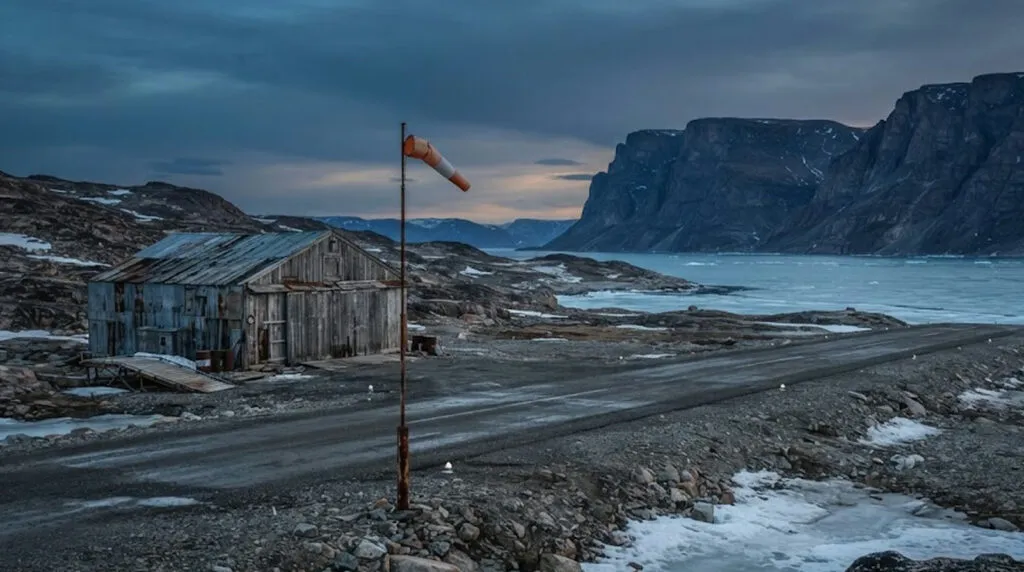
Washington, Copenhagen and Nuuk are signing off on a military presence on an island of 56,000 people - and the...
Phones in Krāslava rang by themselves, the fighters took off, and what exactly triggered the alert - nobody is saying....
In Mecklenburg the CDU finished on 4.9 percent and, for the first time in the history of the Federal Republic,...

Tisza took 16 years of power off Fidesz and won 141 of 199 parliamentary seats. Orbán now says Brussels is...
With 75 percent of protocols counted, the governing party leads in 208 of the 225 single-mandate districts. A parliament of...

He never sat on the throne, and the emirate is lowering its flags for ten days. Sometimes the surname says...

Three options on the table in Washington - military pressure, economic strangulation or a deal - and the president frames...
This site uses cookies - is that okay? Learn more
Be the first to know when Metla launches something new
Leave your email and we will write when there is a new guide or something new on Metla.
