

Sixteen Arrests in Twenty-Four Hours, All for Drugs: The Police Are Working - But Where Are All These People Coming From?
20.09.2026


20.09.2026

20.09.2026

20.09.2026
20.09.2026

20.09.2026

20.09.2026

20.09.2026

20.09.2026

20.09.2026

20.09.2026

20.09.2026

19.09.2026

20.09.2026

20.09.2026

20.09.2026

20.09.2026

19.09.2026
18.09.2026

20.09.2026

20.09.2026

20.09.2026

20.09.2026

20.09.2026

20.09.2026

09.03.2026

27.02.2026

19.02.2026

20.09.2026

19.09.2026

18.09.2026

23.04.2026

23.04.2026

12.04.2026

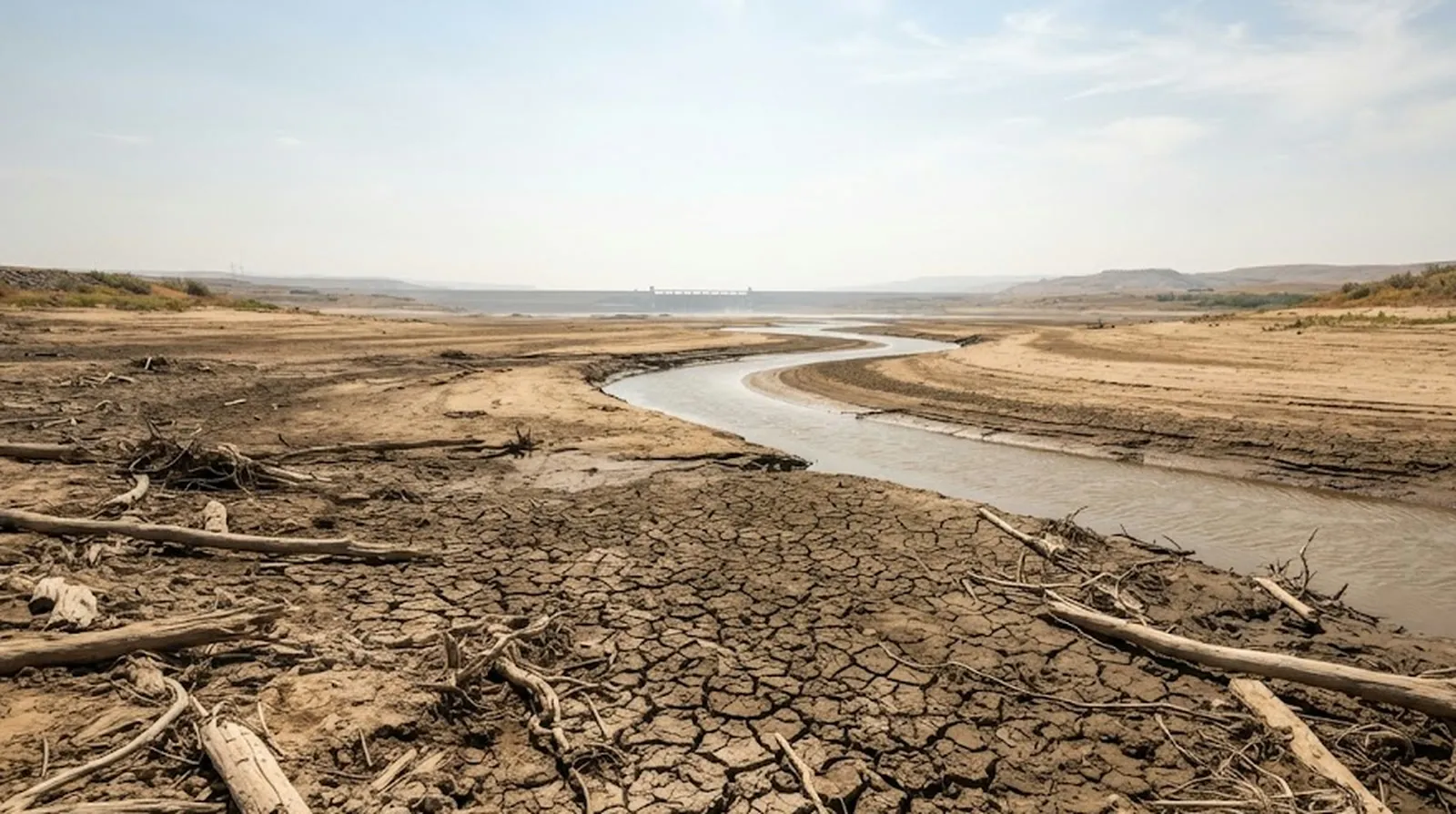
Serbia is discovering the most uncomfortable thing about energy independence: it depends on how much water is in one river. And the river has dried up.
Đerdap, Serbia's largest hydropower plant, is running at just a quarter of its capacity. According to the minister of mining and energy, water inflow at Đerdap fell on Monday to „historically low levels of only 1,450 cubic metres per second”. Not a breakdown, not maintenance, not a sanction. The Danube simply does not have enough water.
The consequence shows up immediately in the price. Electricity on the exchange passed 500 euros per megawatt-hour - a level not seen since the energy crisis of 2022. The government admits that whatever is missing has to be bought on market terms, which translates as: at a price somebody else sets.
Thermal plants instead of water
The gap is being covered by the coal plants at Kostolac and „Nikola Tesla” in Obrenovac. The Perućac pumped-storage plant on the Drina holds reserves of 140 gigawatts, officially „enough to respond to unforeseen circumstances”.
The phrasing is accurate and slightly disingenuous at the same time. When a state explains how well prepared it is for unforeseen circumstances, it usually means the circumstance has already arrived.
Heat that will not let up
On top of all this came the heatwave. Serbia issued a red warning for temperatures between 37 and 39 degrees, with up to 48 expected in direct sunlight. Forecasts bring no relief before the end of the week - which means electricity consumption for cooling will rise on exactly the days when production is weakest.
Then there is the broader question, which concerns the whole region: for decades hydropower was sold as a stable, clean and domestic source. That was true while the climate behaved predictably. When a river cuts its flow to a quarter of what was expected, „domestic source” survives only on paper, and the bill is settled on the European exchange.
Has anyone here run the same scenarios for our own hydropower plants, or are we also waiting for the river to recede first and do the maths afterwards?
The latest 10 news from this category

Eight countries, 120 million people, a motorway to Timisoara and energy connections. And one cancelled visit that says more than...
The call was about damaged furniture on a terrace. Armin Dzutovic died three days later. The internal investigation found first...
Four KLA leaders received 81 years in prison, and Albania's parliament immediately adopted a declaration calling the verdict unjust. The...
The court established responsibility for 96 killed, 303 tortured and 385 unlawfully detained. The prosecution asked for 45 years. Serbia...
Thaci and Krasniqi got 25 years each, Veseli 18, Selimi 13. The court established 385 unlawfully detained, 303 tortured and...

"If it is acceptable to the participants" - that is the entire offer. What gets negotiated is the format, not...

Thousands walked from the Rectorate to the electoral commission, and the signatures had to be queued for all weekend because...

Thousands of people under a digital clock and a banner asking for them to be found innocent. On Wednesday The...
The ruling list sailed through without a single problem, the student list was left waiting in line. Nobody banned anything...
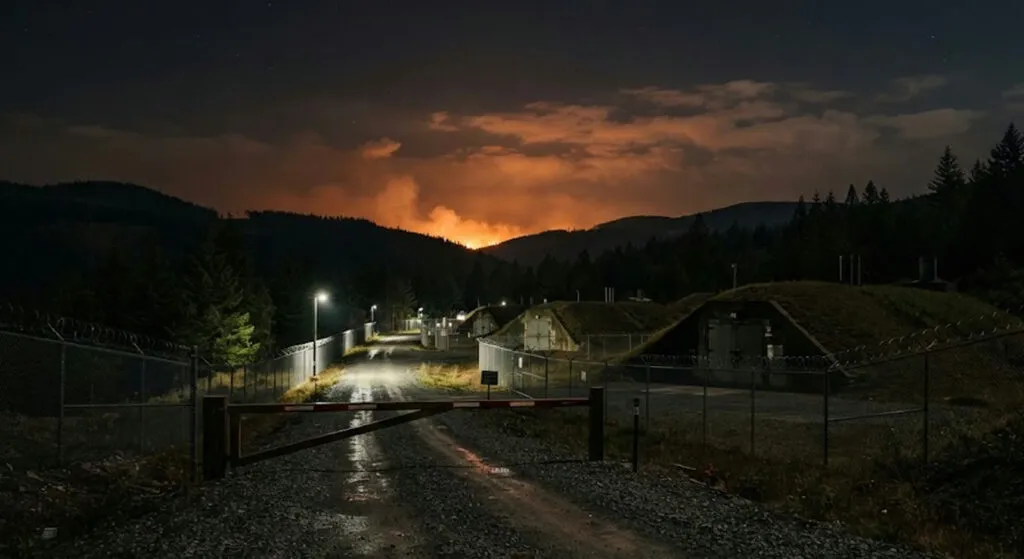
The same firm that supplied ammunition to Ukraine for years is burning for the second time in a month. Seven...
This site uses cookies - is that okay? Learn more
Be the first to know when Metla launches something new
Leave your email and we will write when there is a new guide or something new on Metla.
