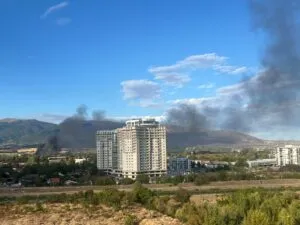
Black Smoke Over Skopje: A Paint and Varnish Warehouse Burned Inside the Old Steelworks
23.09.2026


23.09.2026
23.09.2026

23.09.2026

23.09.2026
23.09.2026

23.09.2026
23.09.2026
22.09.2026

21.09.2026

23.09.2026

23.09.2026

22.09.2026

23.09.2026

23.09.2026

23.09.2026

23.09.2026

22.09.2026

21.09.2026

23.09.2026

23.09.2026

23.09.2026

23.09.2026

23.09.2026

23.09.2026

09.03.2026

27.02.2026

19.02.2026
23.09.2026

22.09.2026

21.09.2026

23.04.2026

23.04.2026

12.04.2026

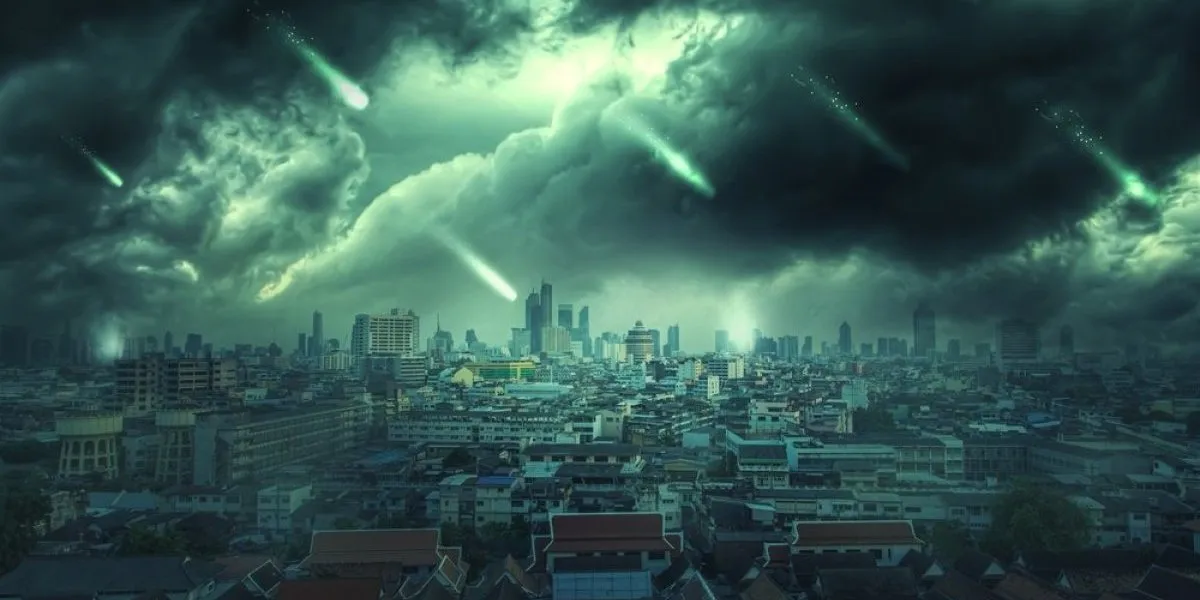
A scientist from Washington State University is warning of a possible repeat of a natural catastrophe that 150 years ago killed tens of millions of people. Specifically: simultaneous mass droughts, an explosion of global hunger, and a dark climate cycle that opened between 1877 and 1878.
"Simultaneous multi-year droughts similar to those of the 1870s can repeat," says Prof. Deepti Singh. Precisely: a powerful El Niño cycle, surface ocean temperatures three degrees above average, which can smash all previous records. The same phenomenon that drove India, China and Brazil into collapse in the 19th century - now returning to a warmed world, with disturbed oceans and an atmosphere starving for energy.
150 years ago around 50 million people died - by conservative estimates that's nearly 3-4 percent of the world's population at the time. Mostly Indian peasants, Chinese farmers, Brazilian ranchers. All without water. All without food. And all long before the kind of global warming we have today.
What's changed now? "The atmosphere and oceans are significantly warmer," Singh adds. That means more energy in the system - and so the consequences can be "even sharper". Not one drought in one year, but linked extreme events that hit in sequence. The Balkans are already getting a taste of this structure: 2024 was a dry year in Macedonia and Greece, 2025 brought wildfires along the coasts of Croatia and Albania.
The question for us isn't "will it happen". The question is - will the Balkans be ready, or will we wait for the disaster to show us how. When the irrigation stations are 40 years old, when the old hydro system from Yugoslavia falls apart piece by piece, and when politicians argue about which party will take responsibility - we don't need El Niño. We have enough problems of our own.
The latest 10 news from this category
Two presidents, the same podium, a few hours apart and two contradictory realities. Macron did not argue about signatures -...
The mechanism he describes - decision before evidence, evidence retrofitted to the decision - is real, and Iraq proved it....

Peter Magyar compared it to a club that puts you in the team without asking, then tells you to bring...
Washington, Copenhagen and Nuuk are signing off on a military presence on an island of 56,000 people - and the...
Phones in Krāslava rang by themselves, the fighters took off, and what exactly triggered the alert - nobody is saying....
In Mecklenburg the CDU finished on 4.9 percent and, for the first time in the history of the Federal Republic,...

Tisza took 16 years of power off Fidesz and won 141 of 199 parliamentary seats. Orbán now says Brussels is...
With 75 percent of protocols counted, the governing party leads in 208 of the 225 single-mandate districts. A parliament of...
He never sat on the throne, and the emirate is lowering its flags for ten days. Sometimes the surname says...

Three options on the table in Washington - military pressure, economic strangulation or a deal - and the president frames...
This site uses cookies - is that okay? Learn more
Be the first to know when Metla launches something new
Leave your email and we will write when there is a new guide or something new on Metla.