
A New Criminal Complaint Against Jakimovski: A Building Permit Based on a Plan Struck Down Back in 2018
16.09.2026


16.09.2026

16.09.2026

16.09.2026
16.09.2026
16.09.2026

16.09.2026

16.09.2026

15.09.2026

14.09.2026

16.09.2026

16.09.2026

15.09.2026

16.09.2026

15.09.2026

14.09.2026

16.09.2026

16.09.2026

16.09.2026

16.09.2026

15.09.2026
15.09.2026

09.03.2026

27.02.2026

19.02.2026

16.09.2026

15.09.2026

14.09.2026

23.04.2026

23.04.2026

12.04.2026

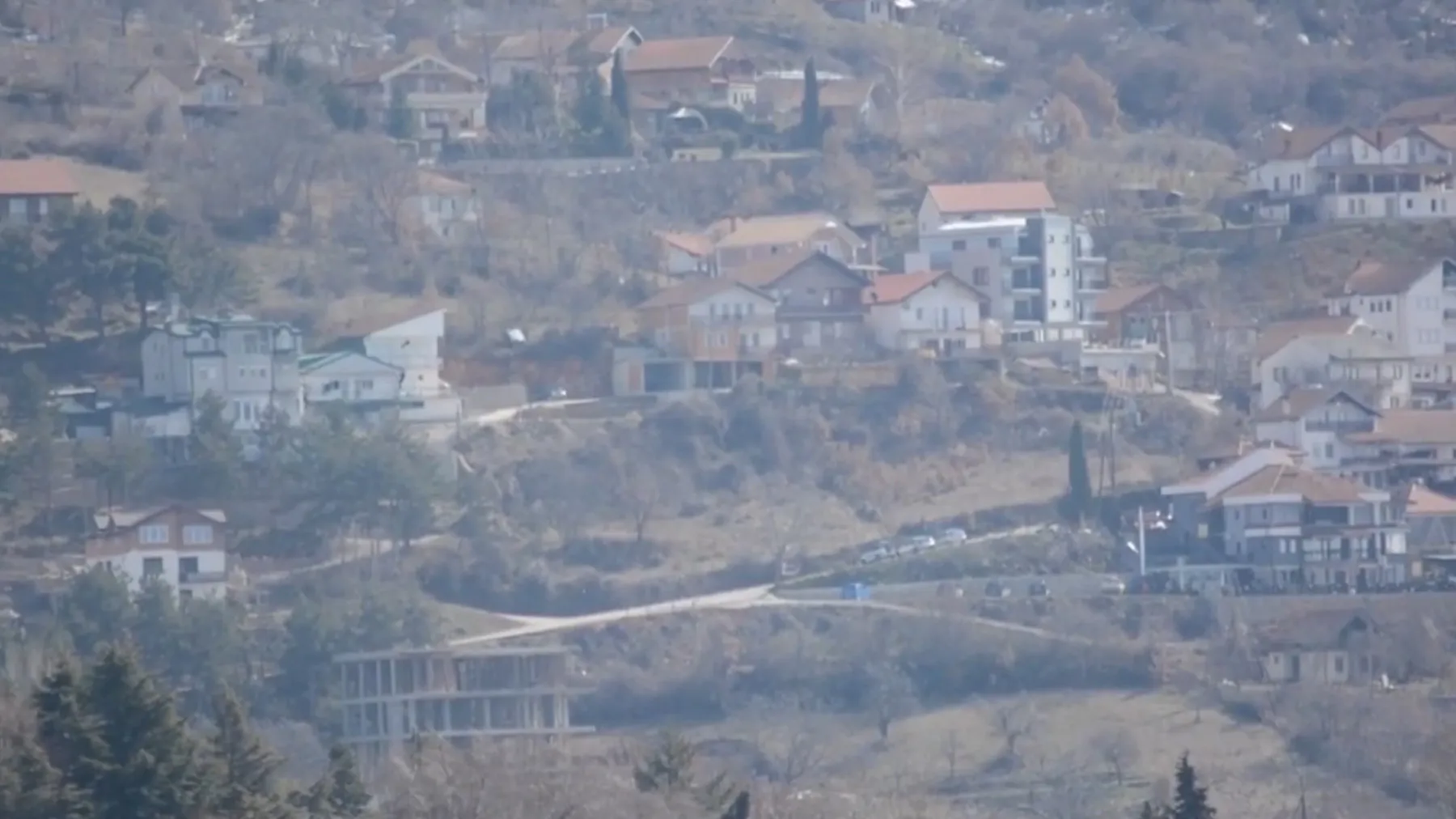
Ninety percent. That is how many of the village water systems in the Ohrid region fall under local community councils - and lack sufficient resources for regular disinfection. That is not an activist's estimate, it is a finding that came out of the institution itself after the latest contamination of the springs in Elshani and Velestovo.
Laboratory analyses by the Centre for Public Health found E. coli and coliform bacteria. A ruling was issued banning the use of the water for drinking and cooking. The local community councils have been instructed to post clear, visible warnings at the public taps.
The cause: septic tanks and livestock above the spring
The Centre for Public Health points to faecal water from nearby septic tanks or livestock facilities seeping down into the water sources. New analyses have been announced, along with a recommendation for systematic chlorination.
So we know what is contaminating it. We know the solution is chlorination. And we know that ninety percent of the systems that need chlorinating have no resources to do it. Three sentences that together describe a state of affairs that is not an incident but a design.
An „isolated case” that keeps repeating across the country
Mayor Kiril Pechakov insists the city water supply remains safe and that this is an isolated problem. Formally - correct. The city network is separate from the village springs.
But that same week, in a completely different part of the country, the same thing happens. In the Strumica villages of Rich and Belotino, analyses by the local Centre for Public Health showed that the water from the spring by the church in Belotino and from the tap in the centre of Rich does not meet the requirements of the water safety regulations. Bacteria indicating faecal contamination were found. Notices went up saying the water must not be drunk.
And it is not the first time for those villages. In February 2024, the Food and Veterinary Agency banned the use of water in Rich, Belotino and three other Strumica villages over insufficient residual chlorine - insufficient disinfection. The agency later announced that the Strumica municipality had not acted on the ruling and launched misdemeanour proceedings.
Two regions, the same diagnosis
Rich sits about 21 kilometres from Strumica, at 509 metres above sea level. Belotino - about 16 kilometres, at 518 metres. People travel up to 25 kilometres to reach the town. These are villages that have spent years fighting for a doctor and for basic services, and now they buy bottled water from that same town.
So far no cases of residents with health problems have been reported. That is good news. But „nobody has fallen ill” is not the same statement as „the water is safe” - it is only a statement that the luck has held so far.
If ninety percent of village water systems in one region have no resources for regular disinfection, then every new ban is not a discovery. It is confirmation that the system is working exactly as it was set up to: wait for an analysis, issue a ban, put up a sign, and wait for the next analysis. Whose job is it to break that circle?
The latest 10 news from this category

The World Bank dropped out over misalignment with EU requirements. Construction will take two and a half years, and the...

Of 9,500 square metres of greenery, 268 remain. Terrain with an 80-metre height difference, no erosion study and no opinion...

Gjorgjievski says the system should be ready by the middle of next year. The BRT tender is announced for the...
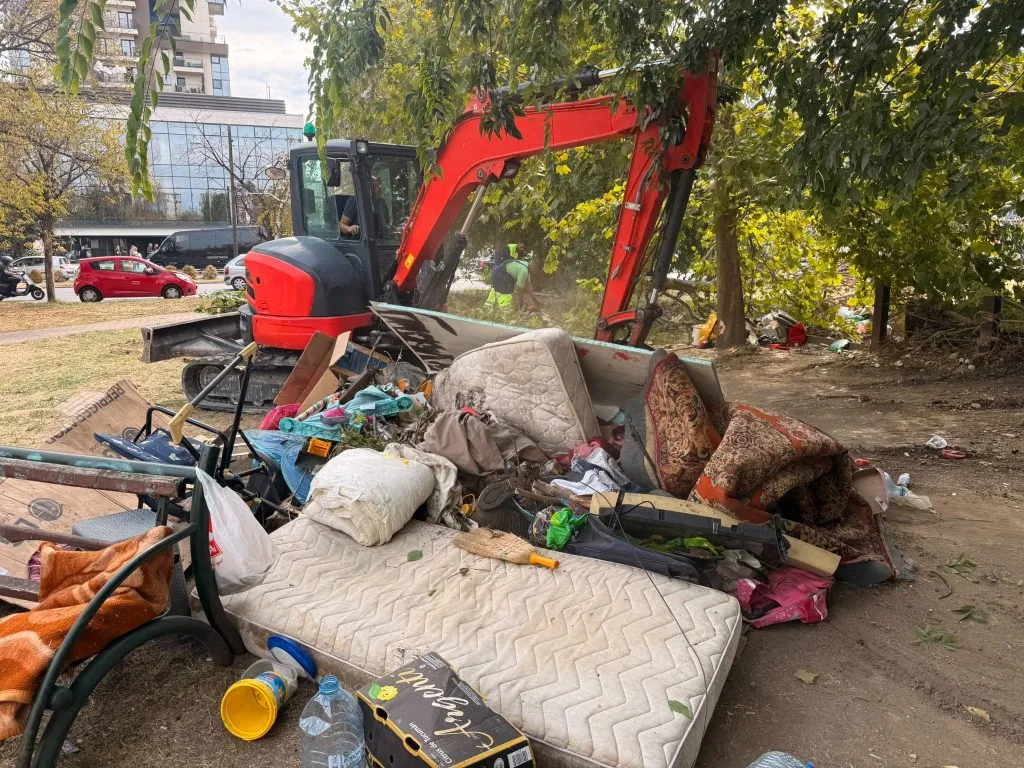
The second operation at the same site within a year. Gerasimovski himself is appealing to the Labour Ministry - because...
A prosumer scheme, a solar oven and electricity generated by bicycle on Magnolija square. The city that has paid the...
Stefanija Dimovska won two medals at IESO 2026, working in mixed international teams. Before that she was also national champion...
Out of nearly 4.7 million denars, the municipality is putting in around 180,000. The rest comes through the Bureau for...

Ten years working inside the health system - and she still had to pull strings to be admitted. The clinic...
Appeals run from 15 to 25 September. There is not enough space at Goce Delčev, so students go to Stiv...

From 23:00 to 05:00 there is no getting through towards Evzoni. Towards Halkidiki - business as usual. Those heading on...
This site uses cookies - is that okay? Learn more
Be the first to know when Metla launches something new
Leave your email and we will write when there is a new guide or something new on Metla.