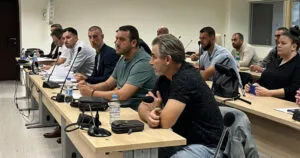
"That's not my job": the trial of the 13 Puls police officers restarted from scratch, and witnesses describe help being refused
22.09.2026


22.09.2026
22.09.2026
22.09.2026

22.09.2026
22.09.2026

22.09.2026
22.09.2026

21.09.2026

20.09.2026

22.09.2026

22.09.2026

21.09.2026

22.09.2026

22.09.2026

22.09.2026

22.09.2026

21.09.2026

20.09.2026

22.09.2026

22.09.2026

22.09.2026
22.09.2026

22.09.2026

22.09.2026

09.03.2026

27.02.2026

19.02.2026
22.09.2026

21.09.2026

21.09.2026

23.04.2026

23.04.2026

12.04.2026

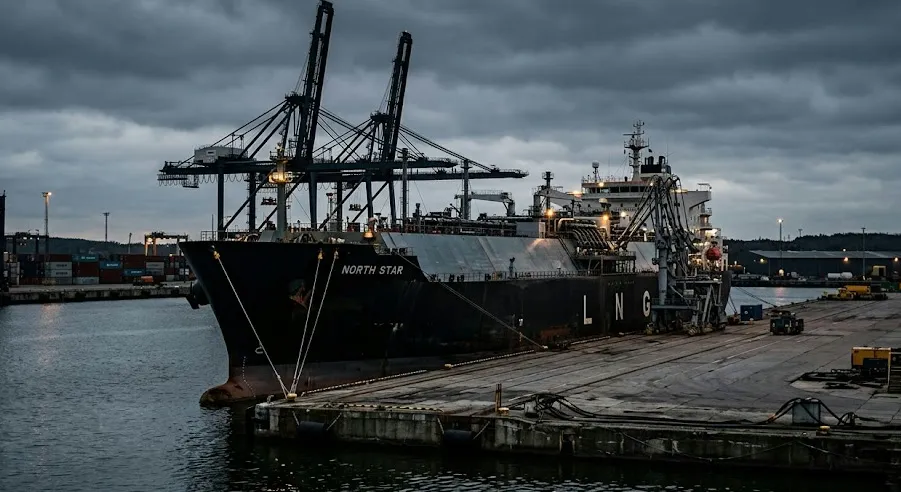
The Russian Federal Security Service (FSB) said it had foiled an attack with magnetic mines on the gas tanker „Archenius" at Ust-Luga port, in the Leningrad region. According to the Russians, divers and expert teams discovered several mines on the outer hull of the ship, in the area near the engine. The tanker arrived from Antwerp and was supposed to load cargo before continuing on to the Turkish port of Samsun.
Each mine contained roughly seven kilograms of explosive. The FSB claims the ship could not have been mined in Russian waters, and turns attention to the vessel's previous journey and its 24-hour holdup in Antwerp because of „suspended port operations". Translation: the Russians are saying - Belgium is to blame.
The incident is being investigated as an attempted terror attack. Ust-Luga is one of the most critical Russian ports for energy export on the Baltic - this point is in the same league of strategic importance as Hormuz or Gibraltar. Whoever strikes here strikes at Russian oil revenues.
Russian officials have not publicly identified who is responsible, but the context leaves no room for guessing: over the past three years, attacks on Russian energy infrastructure have been continuous. Nord Stream, Druzhba, refineries, depots - one after another. No major side admits them, but few of us are unsure where they come from.
For the Balkans, this is not a direct story - but it is part of a wider pattern. The war in Ukraine has long been spilling over into non-water domains: undersea cables, energy nodes, civilian tankers. That means uncertainty in prices, in deliveries, and in the risks insurance companies calculate. And that eventually arrives on our electricity bill.
An unanswered question: will the Russians respond, and where? Historically, they wait - and then strike at a place nobody expected. This is not a story for today. It is a story for a few months from now.
The latest 10 news from this category
Washington, Copenhagen and Nuuk are signing off on a military presence on an island of 56,000 people - and the...
Phones in Krāslava rang by themselves, the fighters took off, and what exactly triggered the alert - nobody is saying....
In Mecklenburg the CDU finished on 4.9 percent and, for the first time in the history of the Federal Republic,...

Tisza took 16 years of power off Fidesz and won 141 of 199 parliamentary seats. Orbán now says Brussels is...
With 75 percent of protocols counted, the governing party leads in 208 of the 225 single-mandate districts. A parliament of...
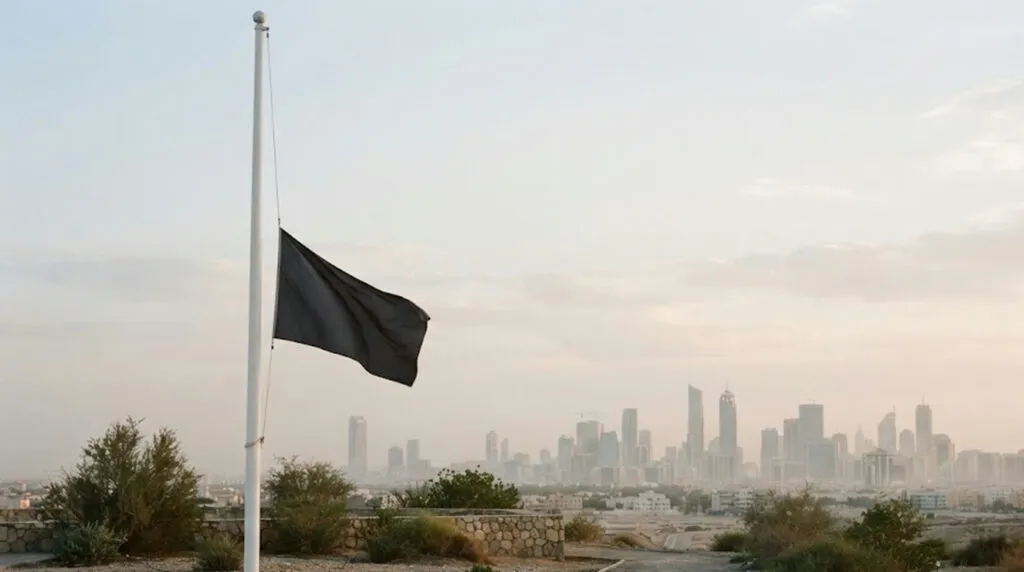
He never sat on the throne, and the emirate is lowering its flags for ten days. Sometimes the surname says...
Three options on the table in Washington - military pressure, economic strangulation or a deal - and the president frames...
The party of Adenauer and Kohl slid to the electoral threshold in Mecklenburg, the AfD is already demanding the chancellor's...
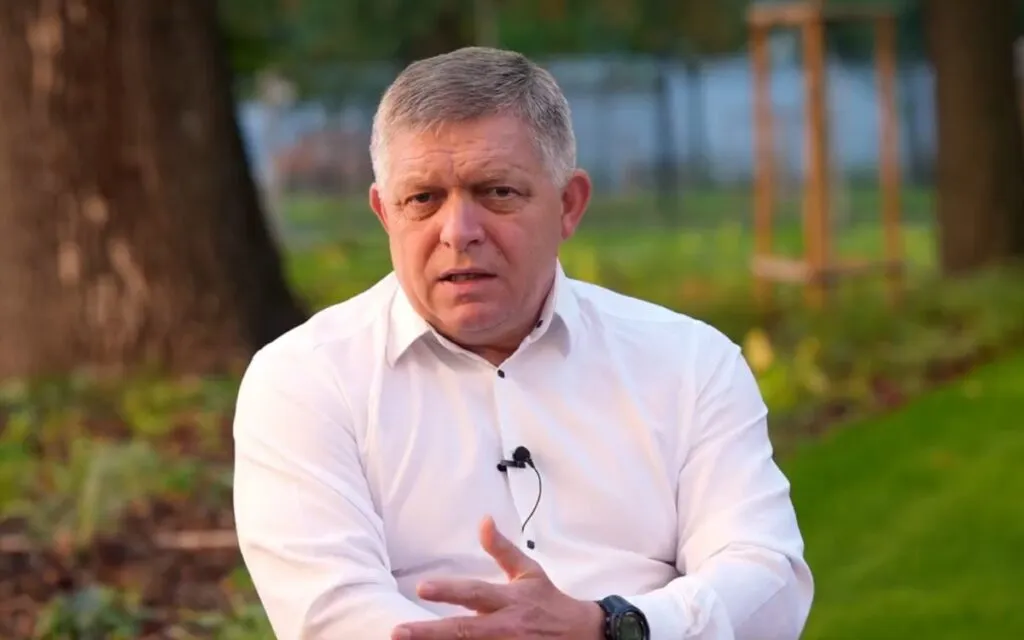
Two prime ministers in the same Union, the same month, completely opposite diagnoses of who is provoking whom. There is...
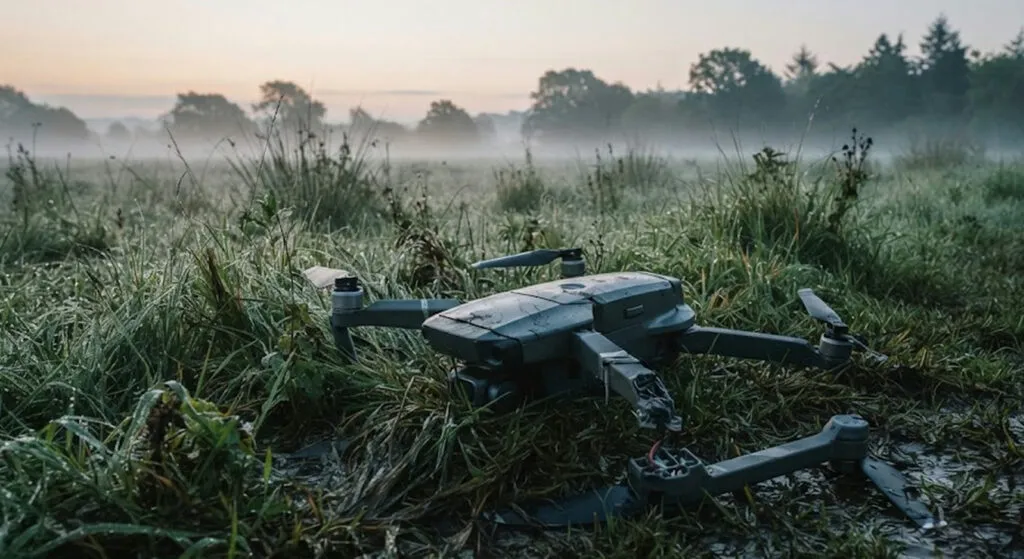
A broken aircraft in a field usually ends up in a police note. This one ended up with federal investigators,...
This site uses cookies - is that okay? Learn more
Be the first to know when Metla launches something new
Leave your email and we will write when there is a new guide or something new on Metla.