
Sixteen Arrests in Twenty-Four Hours, All for Drugs: The Police Are Working - But Where Are All These People Coming From?
20.09.2026


20.09.2026

20.09.2026

20.09.2026
20.09.2026

20.09.2026

20.09.2026

20.09.2026
20.09.2026

20.09.2026

20.09.2026

20.09.2026

19.09.2026

20.09.2026

20.09.2026

20.09.2026

20.09.2026

19.09.2026

18.09.2026
20.09.2026

20.09.2026

20.09.2026

20.09.2026

20.09.2026

20.09.2026

09.03.2026

27.02.2026

19.02.2026

20.09.2026

19.09.2026

18.09.2026

23.04.2026

23.04.2026

12.04.2026

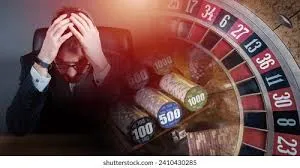
In medicine it is called Gambling Disorder and is recognized as a mental disorder. It is not just about a „bad habit" or a lack of willpower, but about a condition that affects the brain's mechanisms for reward, impulse control and decision-making.
The most common signs are:
Not everyone who buys a betting slip or plays the casino is an addict. The difference is whether the person can stop when they want to and whether gambling starts to control their life.
If the state really wants to fight gambling addiction, then it does not need cosmetic changes and a make-over of the law, but brave and substantive measures. Gambling is recognized as an addiction that destroys families, creates debts, causes poverty and leaves lasting consequences for mental health.
That is why the real question is not whether the casino will be 200, 500 or 1,000 metres from the school, but why it is in a populated place at all. While slot machines and betting shops are at every step, available to every citizen, especially to the young, the state cannot seriously claim that it is waging a fight against addiction.
The new law leaves the impression of administrative make-up that does not solve the essential problem. If there is genuine political will, what is needed is the gradual complete relocation of casinos and betting shops out of populated areas, strict control of their operation and a significant limitation of their availability.
Society must not profit from a disease that destroys citizens. The more addicts there are, the more the gambling industry earns. That is a conflict no responsible state may ignore.
If gambling is a disease, then the place for casinos is not in the centre of cities and next to schools, but outside the everyday life of citizens. Everything else is just make-up, not a solution.
The latest 10 news from this category
Porsche, Alaska Airlines and J.B. Hunt are not buying startups - they are commissioning them. When innovation moves inside the...

Sold for two billion, blocked by the state, bought back by its own investors - and now worth twice as...

An eight-year-old firm that started out mining crypto has tripled its value in ten months. It did not discover anything...

The price of uranium has jumped 75 percent in five years, and the list of countries that mine it reads...

Exein raised 270 million dollars and its valuation jumped thirtyfold in two years. The European regulation coming into force in...

A startup valued at 94 million dollars changed hands, and both sides said openly what was being bought - not...
A technology sold for decades as the answer to the climate is now taking money from the defence industry. The...

The board voted, the founder kicked the administrators out of Slack and held out for three days. What does a...

Three months ago the company raised 60 million. Now it is worth almost ten times that, and its product is...

After Ohridska Banka, Sparkasse has gone after a second one. The approvals come from Podgorica, Belgrade and Frankfurt. The market...
This site uses cookies - is that okay? Learn more
Be the first to know when Metla launches something new
Leave your email and we will write when there is a new guide or something new on Metla.