
Kratovo man stabs police officer mid-intervention: prosecutors want the 40-year-old detained
15.09.2026


15.09.2026

15.09.2026

15.09.2026

15.09.2026
15.09.2026

15.09.2026

15.09.2026

14.09.2026
13.09.2026

15.09.2026

15.09.2026

14.09.2026

15.09.2026

15.09.2026

15.09.2026

15.09.2026

14.09.2026

13.09.2026
15.09.2026

15.09.2026

15.09.2026

15.09.2026

15.09.2026

14.09.2026

09.03.2026

27.02.2026

19.02.2026

15.09.2026

14.09.2026
14.09.2026

23.04.2026

23.04.2026

12.04.2026

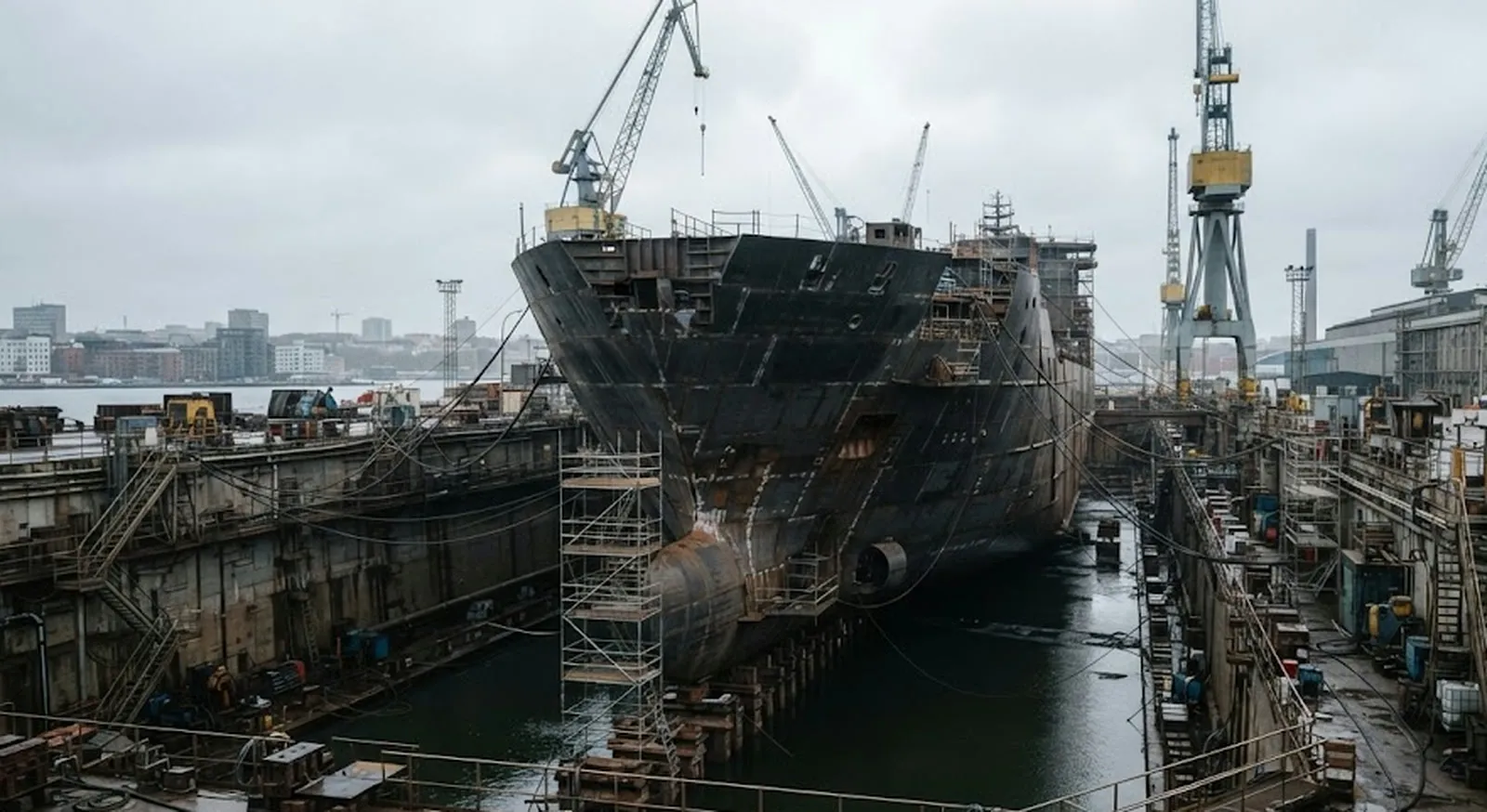
In the first five months of 2026, Germany approved arms export licences to Israel worth nearly 800 million euros. That is more than everything approved in the previous 20 months combined. Most of the licences were issued in April and May.
The figure did not come from a government press conference. It came as an answer to a parliamentary question, published by Al Jazeera. In other words - this number surfaced because somebody had to ask, not because anybody wanted to tell.
The project with no name
Over 60 percent of the approved licences relate to an unnamed „large naval project”. Analysts believe it is the submarine INS Drakon, built by the German manufacturer TKMS.
The Dolphin II class submarine has nuclear capability, made its first voyage last year at the Kiel shipyard, and is valued at around 480 million euros. According to reports, it was recently formally handed over to the Israeli navy. German funding covered around 30 percent of the cost of the Drakon and roughly a third of future costs for the Dakar class.
When a state pays a third of the bill, it can hardly claim to be merely a seller.
„Non-transparency is typical”
Max Mutschler of the Bonn International Centre for Conflict Studies explained that „non-transparency is typical of the arms export business” and that the federal government's pointed silence is exactly that pattern.
History bears him out. For years there were contradictory reports about whether the licence had even been issued: TKMS claimed it was approved in 2012, the German government denied it. The hesitation, it is assumed, came from the proceedings at the International Court of Justice and from shifting public opinion.
The ban that lasted three months
The most interesting part of this story is what a moral act looks like when it comes with an expiry date. Chancellor Friedrich Merz announced in early August that Germany would stop issuing licences for military equipment that could be used in Gaza.
By November the restrictions were lifted and case-by-case review resumed. Already approved deliveries never stopped at all - in September a German arms shipment worth 794,000 euros arrived at Ben Gurion airport.
So: a pause of roughly three months, during which everything previously contracted carried on undisturbed. That is not an embargo. That is a press release with a deadline.
An economic question, not a moral one
Mutschler is blunt about the reason: federal governments „viewed and continue to view arms exports primarily through an economic lens”, as a way of strengthening the defence industry. Whether those weapons enable war crimes, he says, „plays a considerably smaller role”.
The numbers back him up. In the first half of 2026 Germany approved export licences worth 13.87 billion euros - four times the same period in 2025. The country plans to double military spending from under 2 to 3.5 percent of gross domestic product.
Pieter D. Wezeman of the Stockholm-based SIPRI institute sums up the result: Germany is now the largest military spender in Europe, excluding Russia, and its defence industry is the backbone of the European military-industrial base.
A continent that spent decades presenting itself as a peace project now builds its growth on what it manufactures for war. The question is not whether this is legal - it is. The question is why we learn about it through a parliamentary question rather than from the people who signed the licences.
The latest 10 news from this category
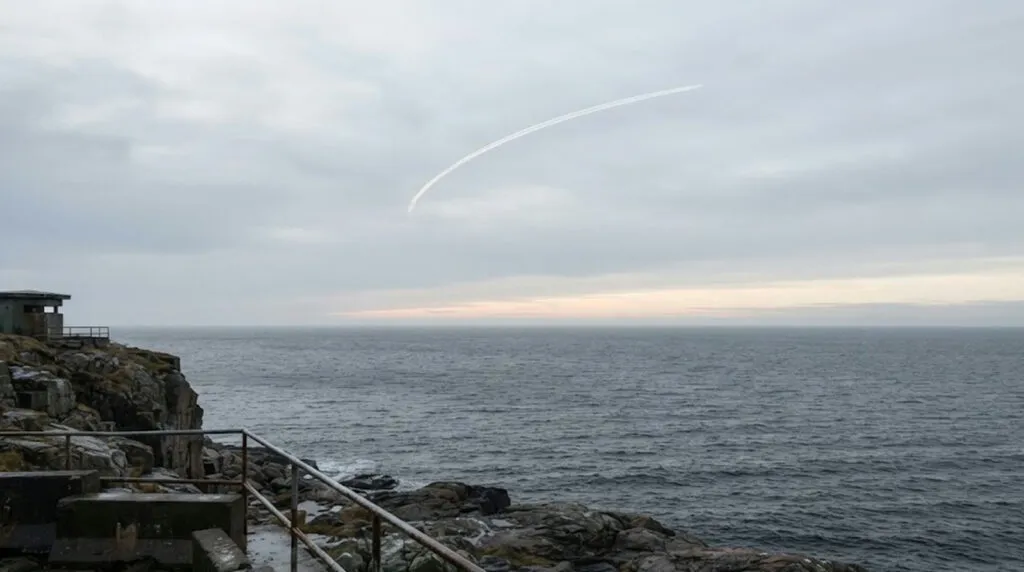
Trump scaled back the military exercises to ease the tension, and Wonsan answered in the form of projectiles. What does...

The sanctions list got a seven-day extension instead of one measured in months, a move diplomats themselves call unprecedented. Two...
Switzerland offered a table for talks on Ukraine, Moscow replied that the table stopped being neutral once Bern adopted EU...
The will says one thing, a committee of twenty-one men decided another. The queen mother says the army pulled the...
A country that was Europe's byword for stability for decades now has a parliament split into two blocs by a...
Sixteen years in power, defeat at a regular election, five months of quiet - and now the election result is...

When an institution with a legal department and a palace apparatus has to publish a list of its verified accounts,...
Nobody said they do not trust Washington. Everyone is behaving as though they do not - gold, weapons, the cloud...

The warning reached the president three years before 9/11. The problem was not a lack of information, but that nobody...

In 1976 tradition demanded the future king choose a bride with no past. Thirty years later that same king married...
This site uses cookies - is that okay? Learn more
Be the first to know when Metla launches something new
Leave your email and we will write when there is a new guide or something new on Metla.