A New Criminal Complaint Against Jakimovski: A Building Permit Based on a Plan Struck Down Back in 2018
16.09.2026


16.09.2026
16.09.2026

16.09.2026
16.09.2026
16.09.2026

16.09.2026

16.09.2026

15.09.2026

14.09.2026

16.09.2026

16.09.2026

15.09.2026

16.09.2026

15.09.2026

14.09.2026

16.09.2026

16.09.2026

16.09.2026

16.09.2026

15.09.2026
15.09.2026

09.03.2026

27.02.2026

19.02.2026

16.09.2026

15.09.2026

14.09.2026

23.04.2026

23.04.2026

12.04.2026

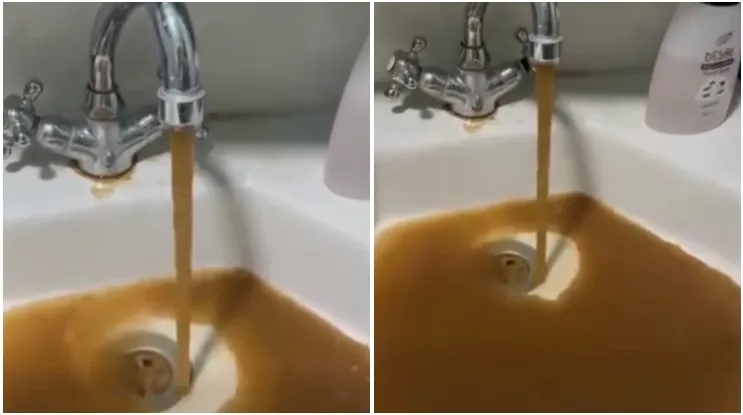
Coffee-coloured water runs from the taps in Gostivar, hospitals fill with people suffering stomach complaints, and the institutions argue over whether to call the thing by its real name - an epidemic. While the authorities weigh their words, thirty percent of a single town has fallen ill with the same disease. If this isn't an epidemic, then what is?
On 17 July, the Food and Veterinary Agency issued a ban on using drinking water from the Gostivar supply system, over well-founded suspicion that it is contaminated and unsafe. The Institute of Public Health is emphatic: the water must not be used for drinking even after boiling, until the ban is officially lifted. Special caution, they say, for infants, small children, pregnant women and the elderly - those who bear intestinal infections the hardest.
Epidemic or not - the fight over what to call it
This is where the real drama begins. Health Minister Sašo Klekovski says an epidemic will not be declared for now, until the cause of the illness is established. Microbiologist Dr Nikola Panovski demands exactly the opposite - and does not mince words.
„There is an epidemic of gastroenteritis in Gostivar. 1,500 registered with the same symptoms and at least another 5,000 who did not go to a doctor. In one town, 30 percent of the population has fallen ill with the same disease and there are no grounds to declare an epidemic. Well, bravo“, Panovski wrote, calling on epidemiologists to react. „This isn't politics, this is your duty.“
Heavy words from a man who knows what he's talking about. Because the difference isn't only in terminology - declaring an epidemic pulls in measures, resources and responsibility. Not declaring one is more comfortable for the figures, but not for the sick.
The prosecution has entered the game
Unlike the debate over words, the prosecution isn't waiting. The Basic Public Prosecutor's Office in Gostivar has opened an investigation over the mass complaints, and the spring in Vrutok has been placed under strict police control to prevent any further contamination of the site. Urgent laboratory testing of the samples is under way at the Institute of Public Health.
The results of the toxicological and microbiological analyses are expected in the coming days, after which the prosecutor will decide whether there are grounds for criminal prosecution for endangering citizens' health. Only then will it be known whether the cause is a bacterium, a virus, a parasite or something worse - heavy metals.
But one question already hangs in the air, regardless of the lab findings. How did it even come to this - unsafe water flowing through a town's supply system - and who was supposed to prevent it for years? A water system doesn't fail overnight. The failure is always gradual, quiet, until someone falls ill. Gostivar is now paying that bill with its health.
The latest 10 news from this category

The World Bank dropped out over misalignment with EU requirements. Construction will take two and a half years, and the...
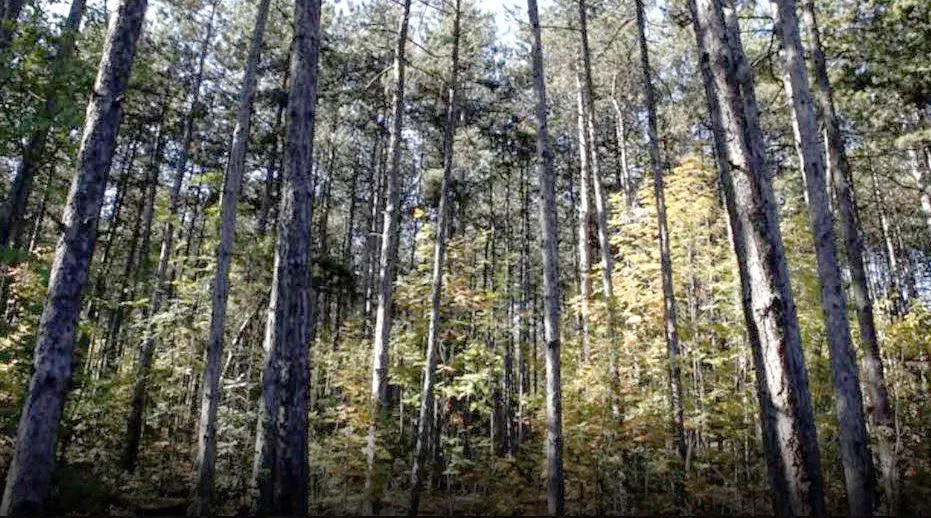
Of 9,500 square metres of greenery, 268 remain. Terrain with an 80-metre height difference, no erosion study and no opinion...

Gjorgjievski says the system should be ready by the middle of next year. The BRT tender is announced for the...
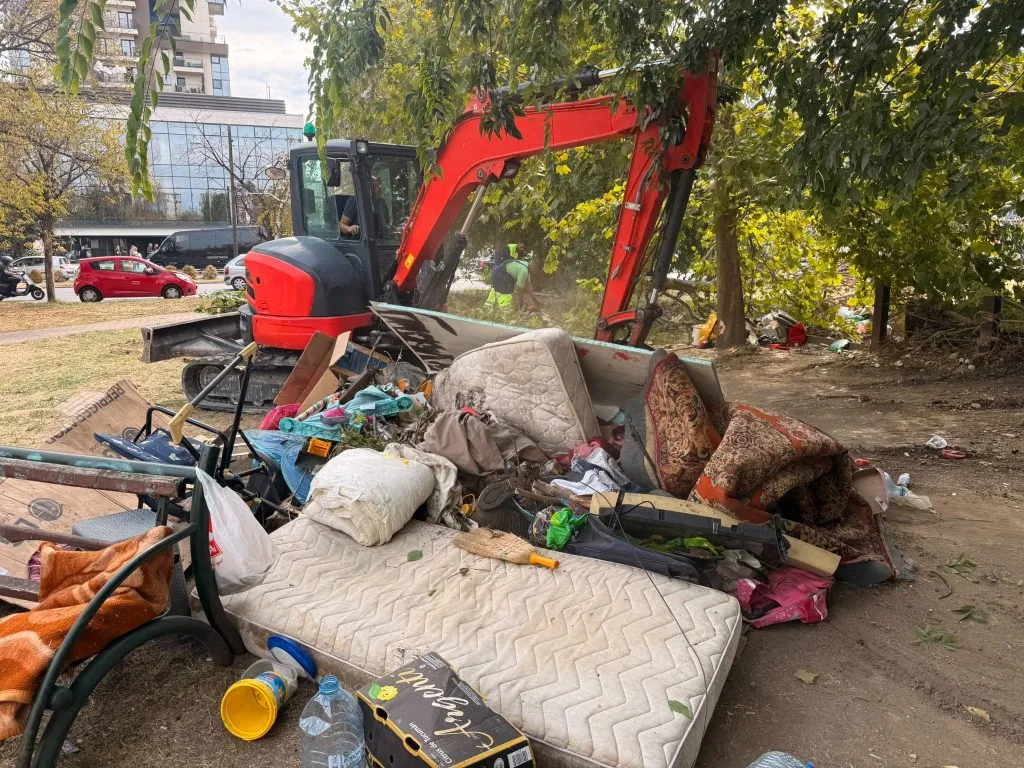
The second operation at the same site within a year. Gerasimovski himself is appealing to the Labour Ministry - because...
A prosumer scheme, a solar oven and electricity generated by bicycle on Magnolija square. The city that has paid the...
Stefanija Dimovska won two medals at IESO 2026, working in mixed international teams. Before that she was also national champion...
Out of nearly 4.7 million denars, the municipality is putting in around 180,000. The rest comes through the Bureau for...

Ten years working inside the health system - and she still had to pull strings to be admitted. The clinic...
Appeals run from 15 to 25 September. There is not enough space at Goce Delčev, so students go to Stiv...
From 23:00 to 05:00 there is no getting through towards Evzoni. Towards Halkidiki - business as usual. Those heading on...
This site uses cookies - is that okay? Learn more
Be the first to know when Metla launches something new
Leave your email and we will write when there is a new guide or something new on Metla.