Шест години лажни категории во возачки дозволи од шалтер во МВР: обвинети шестмина, уште 21 лице под истрага
21.09.2026


21.09.2026

21.09.2026

21.09.2026

21.09.2026

21.09.2026

21.09.2026

21.09.2026

20.09.2026

20.09.2026

21.09.2026

21.09.2026

20.09.2026

21.09.2026

21.09.2026

21.09.2026

21.09.2026

20.09.2026

19.09.2026

21.09.2026

21.09.2026

21.09.2026

21.09.2026

21.09.2026

21.09.2026

09.03.2026

27.02.2026

19.02.2026

20.09.2026

19.09.2026

18.09.2026

23.04.2026

23.04.2026

12.04.2026

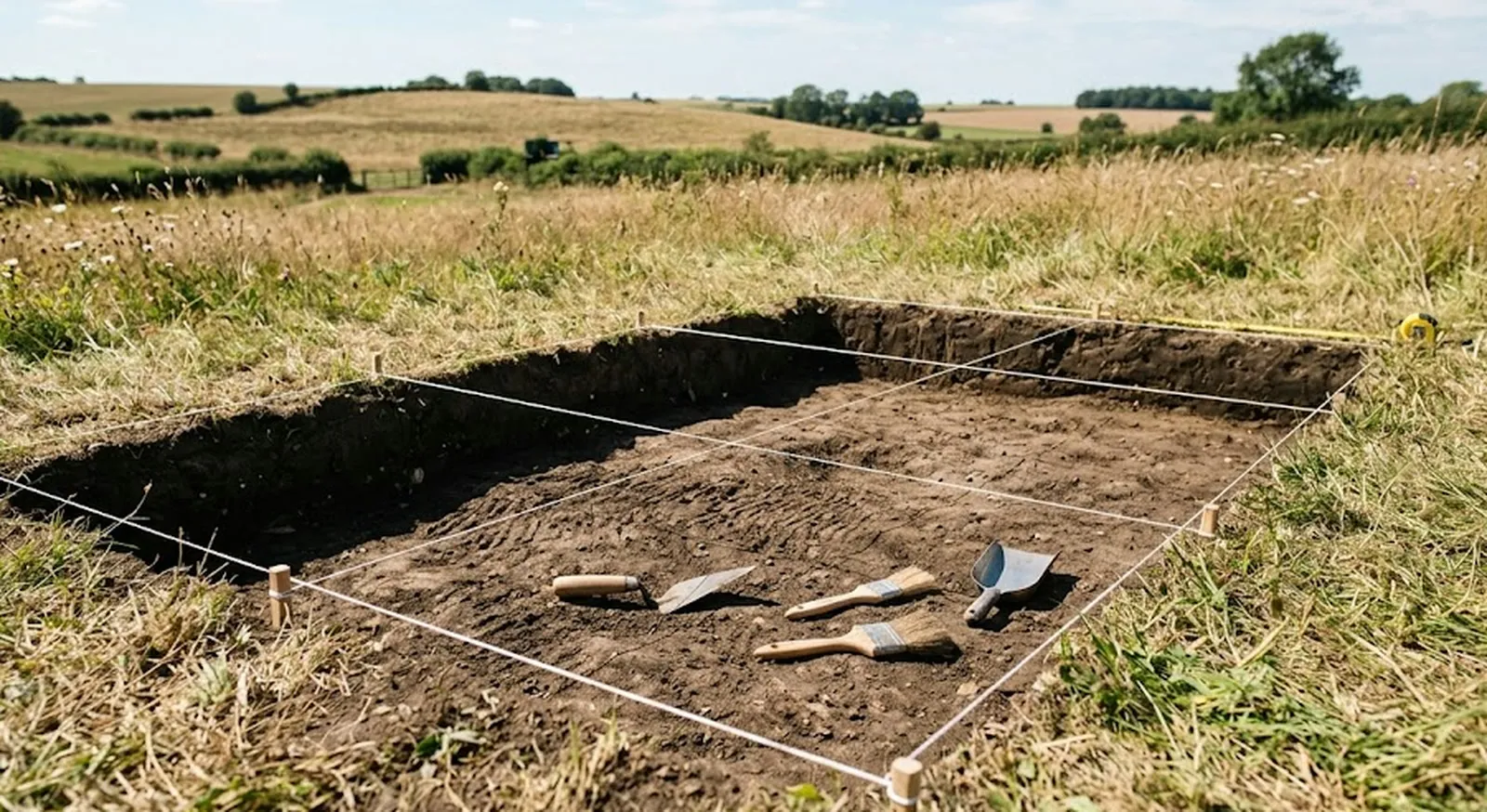
In Slovakia, archaeologists have uncovered a site some 7,000 years old with dozens of human skeletons - all of them headless. At the site near Vrable, in two ditches, nearly 80 decapitated skeletons were found, and over a hundred individuals have been identified in total. That number, researchers say, will likely grow.
The site belongs to the Linear Pottery culture - one of the earliest farming communities in Europe, which spread across Central Europe around 7,500 years ago. The settlement near Vrable had hundreds of houses arranged into quarters; only one, ringed by two ditches, served a different purpose than the usual graves beside the homes. There, instead of pottery and sacrificed lambs, lay bodies without heads - with a single child as the only exception among the adults.
The first instinct is to think massacre. But the science is more cautious. „This is not violent decapitation, but the skilled removal of the skull," says biological anthropologist Katharina Fuchs of the University of Kiel. The study's lead, Martin Furholt, adds that these were „social practices" with limited signs of conflict, not a bloody event.
In other words - our ancestors, seven thousand years ago, had rituals that look macabre to us today but made their own sense to them. Headless skeletons have turned up at several Neolithic sites across Europe, pointing to a widespread practice, perhaps tied to a cult of ancestors or deities. Nearly 160 meters of the ditch system are still unexcavated. Maybe there, somewhere, the missing skulls are waiting - and with them, one more reminder of how little we actually know about those who came before us.
The latest 10 news from this category

Три опции на масата во Вашингтон - воен притисок, економско давење или договор - а претседателот ја опишува дилемата како...
Партијата на Аденауер и Кол се лизна до изборниот праг во Мекленбург, АфД веќе бара оставка од канцеларот, а Мерц...
Two prime ministers in the same Union, the same month, completely opposite diagnoses of who is provoking whom. There is...

A broken aircraft in a field usually ends up in a police note. This one ended up with federal investigators,...

Beijing will easily find another supplier. The harder question is what Washington is actually testing: whether private Chinese companies will...

The law lets Washington hit the five biggest buyers of Russian oil with tariffs of up to 100 per cent....
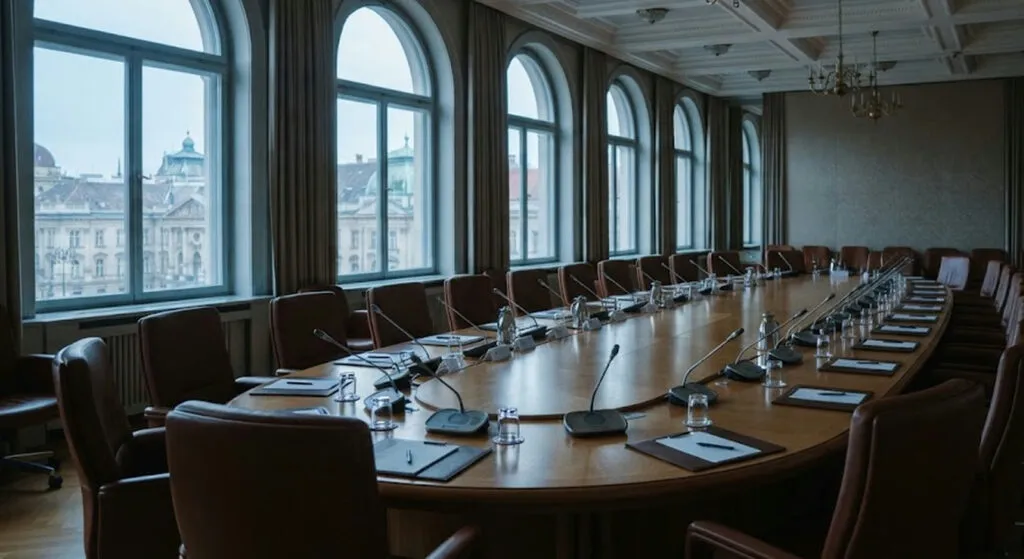
Measures imposed over the war in Ukraine are now being offered as currency in an entirely different dispute. If the...

A smaller dose and more needles does not mean a safer vaccine, it means an ineffective one. Science has had...
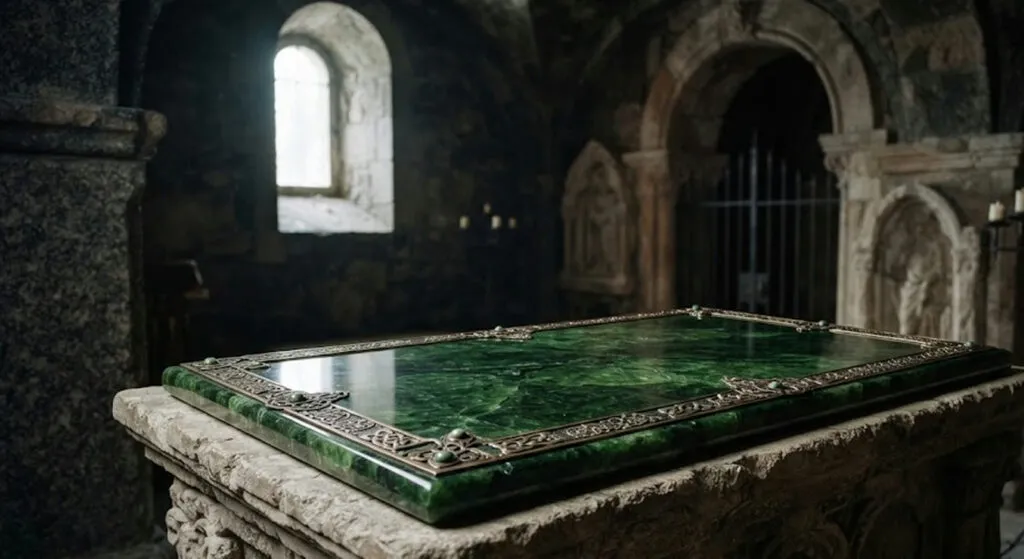
Harald designed the sarcophagus himself, and it is shaped like a ship. The stone is 400 million years old and...

Von der Leyen proposed a status that does not exist in European law, the Canadians distanced themselves, and Washington announced...
This site uses cookies - is that okay? Learn more
Be the first to know when Metla launches something new
Leave your email and we will write when there is a new guide or something new on Metla.