

Studeničani: 35-year-old dies after being electrocuted while washing his car with a pressure washer
18.09.2026


18.09.2026

18.09.2026

18.09.2026
18.09.2026

18.09.2026
18.09.2026

18.09.2026

17.09.2026

16.09.2026

18.09.2026

18.09.2026

17.09.2026

18.09.2026

18.09.2026

18.09.2026

18.09.2026

17.09.2026

16.09.2026

18.09.2026

18.09.2026

18.09.2026

18.09.2026

17.09.2026

17.09.2026

09.03.2026

27.02.2026

19.02.2026

18.09.2026

17.09.2026

16.09.2026

23.04.2026

23.04.2026

12.04.2026

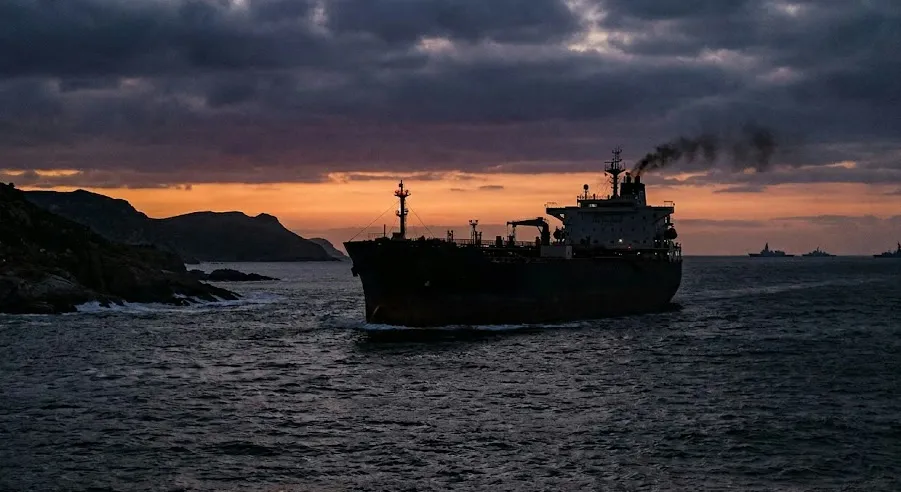
The Strait of Hormuz - the chokepoint through which a fifth of the world's oil passes - is a flashpoint again. The US struck an Iranian oil tanker near the strait with a Hellfire missile, and an Iranian military control station on Qeshm island. Iran hit back with ballistic missiles and drones at targets in Kuwait and Bahrain, including the headquarters of the US Navy's Fifth Fleet.
The price is paid, as usual, by those who aren't direct participants. The international airport in Kuwait was damaged, air traffic suspended, and the Kuwaiti military called the attacks "criminal Iranian aggression." The number of injured remains unknown. Iran's Revolutionary Guard announced this was only an "initial response," with a threat of stronger retaliation.
Both sides are playing the familiar game with the facts. Iran claims the targets were hit; the US CENTCOM claims all the missiles were "intercepted or failed to reach their target." China called for respect for the ceasefire and warned that "a new war benefits no one" - a diplomatic formula that sounds wise but changes nothing on the ground. Iran's foreign minister Abbas Araghchi, meanwhile, is on the phone with Pakistan, Saudi Arabia, France, Turkey, Qatar and Egypt.
And why should any of this interest someone in the Balkans? Because the Strait of Hormuz isn't distant geography - it's the valve on the world's fuel price. Every escalation there turns into a more expensive petrol pump in Skopje a few weeks later. The war may be on the other side of the world, but the bill reaches our tank.
And here's what the official statements never say out loud: in a clash between two military powers measuring themselves in missiles, the real loser is the small country in the middle - Kuwait with its damaged airport, the region with its closed skies, and the ordinary person who'll pay more for something they had no choice in preventing.
The latest 10 news from this category
The bill passed with 262 votes, and the key to it has been handed to a man who has already...
Ukraine adapts in weeks, the Alliance in decades. Europe is paying for Patriot systems from 1991 and is only now...
Missiles and drones on the Ukrainian capital, damaged water mains and residential buildings. The same night, Ukrainian drones set the...
Trump hopes the war is ending and is preparing to gather the Gulf leaders. Oil prices have jumped, and the...
Ukraine says when, where and which unit did it. Russia's defence ministry has not a single sentence about the circumstances....
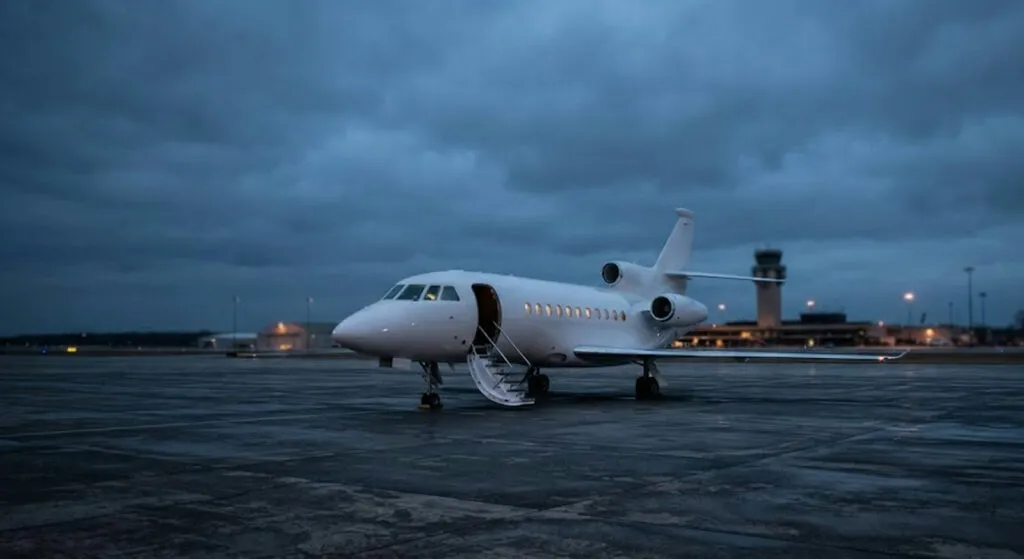
Norway's prime minister talks about a plane a drone "almost hit". Moldova, the only party holding the figures, reported that...
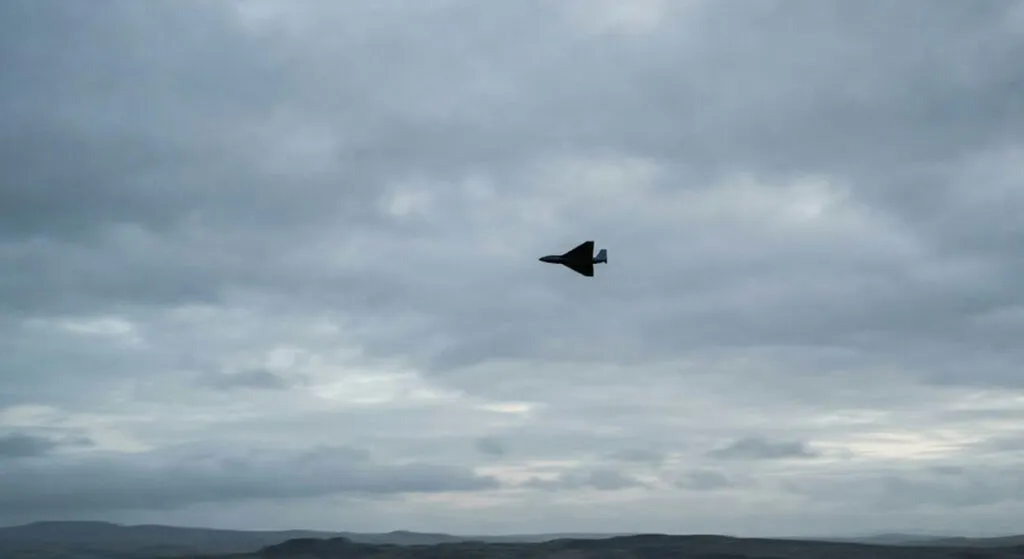
Ukraine was shooting down nine out of ten of the old drones. Then Russia changed the drone - and in...
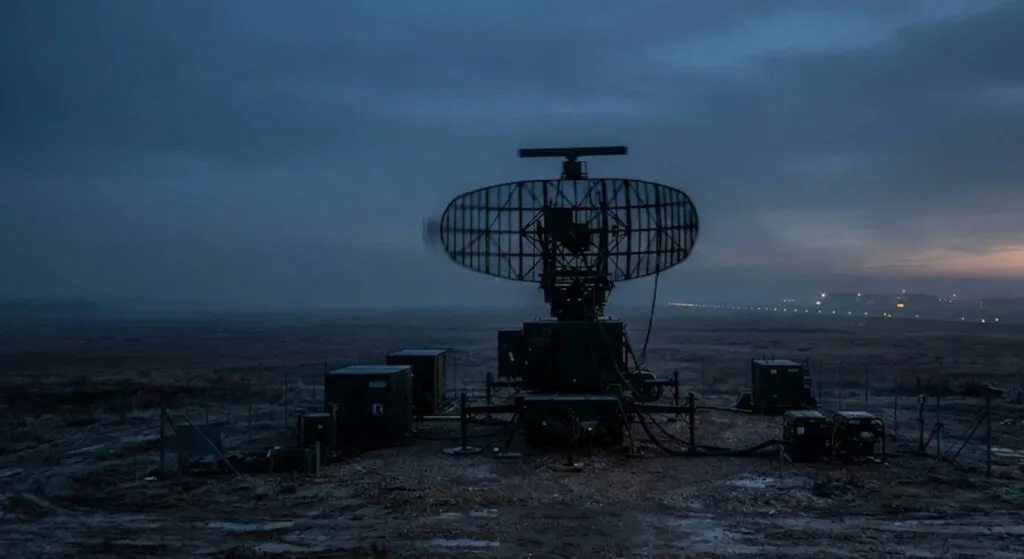
It was shot down a few minutes after midnight, and all of Vilnius got a warning on their phones. Two...
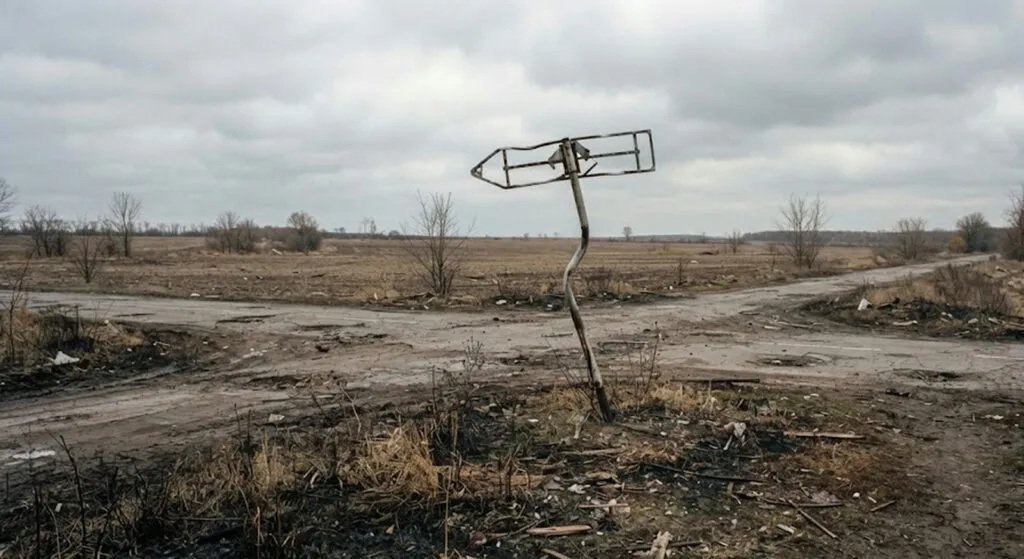
The entire story comes from one side, and the headlines turn it into a turning point. The difference between the...
Between 2,300 and 3,000 North Korean soldiers have died in Kursk so far. Kim Jong Un has found an export...
This site uses cookies - is that okay? Learn more
Be the first to know when Metla launches something new
Leave your email and we will write when there is a new guide or something new on Metla.
