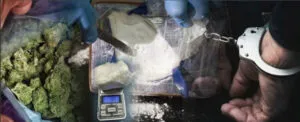
Sixteen Arrests in Twenty-Four Hours, All for Drugs: The Police Are Working - But Where Are All These People Coming From?
20.09.2026


20.09.2026

20.09.2026

20.09.2026

20.09.2026

20.09.2026

20.09.2026

20.09.2026
20.09.2026

20.09.2026

20.09.2026

20.09.2026

19.09.2026
20.09.2026

20.09.2026

20.09.2026

20.09.2026
19.09.2026

18.09.2026

20.09.2026

20.09.2026

20.09.2026
20.09.2026

20.09.2026

20.09.2026

09.03.2026

27.02.2026

19.02.2026

20.09.2026

19.09.2026

18.09.2026

23.04.2026

23.04.2026

12.04.2026

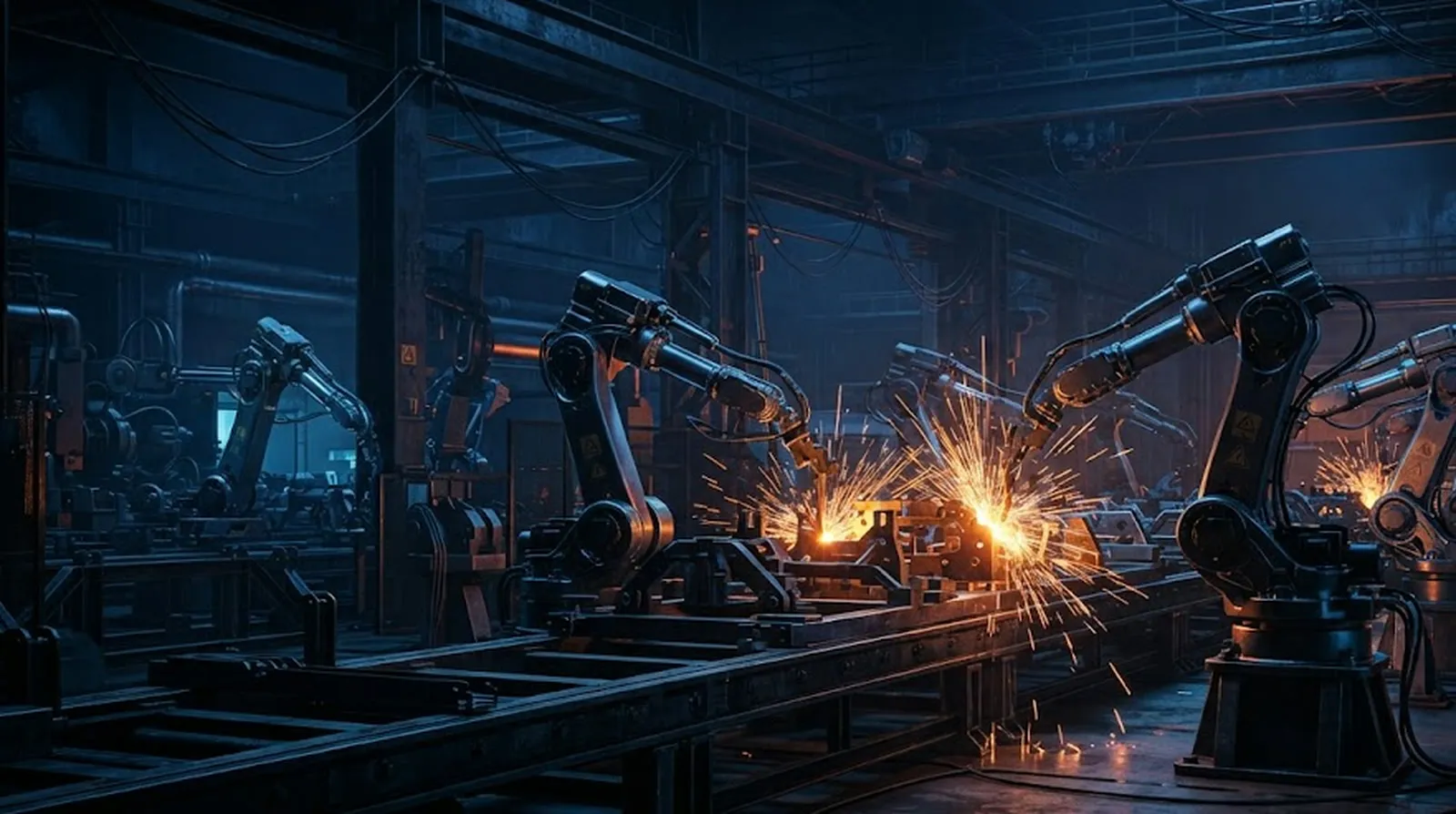
The man who created Uber, and was then thrown out of his own company after a series of scandals, has raised serious money again. This time not for an app that drives people, but for robots meant to take over heavy industry.
Travis Kalanick's company, named Atoms, raised 1.7 billion dollars in a round led by Andreessen Horowitz (a16z), one of the biggest investors in Silicon Valley. Also in the game are Bain Capital, Fifth Wall and - ironically - Uber itself, the company that once threw Kalanick out of its leadership.
What does Atoms do? The company combines several parts: „ghost kitchens” (restaurants with no dining room for guests, only for delivery), automation of vehicles in heavy industry through the acquired firm Pronto, and Kalanick is announcing an entry into mining and building what he calls a „substrate for robots”. In other words - he wants software and machines to take over the jobs that people used to do with their hands and shovels.
„Sixteen years ago I set out on a path to digitise the physical world. To understand, predict and control the physical world with software,” Kalanick said. The sentence sounds ambitious, but it is worth remembering - that same „digitised physical world” in Uber's case meant thousands of drivers with no contract, no insurance and no wage guarantee. The question no one on the conference call asked: when robots take over the jobs, where do the people who did them go?
Ben Horowitz of a16z explained the stake with a compliment for Kalanick: „It takes a rare kind of entrepreneur to change these old-fashioned, heavy parts of the economy. They need a strong work ethic, energy and a scope that spans several fields.” Translated from the language of investors: we believe this man will push the boundaries where others dare not.
1.7 billion dollars is a huge sum for a firm still building a vision, not a finished product. But that is exactly the pattern of today's AI and robotics - the money comes before the results, based on the founder's name and the promise. Kalanick has already proved one thing with Uber: he knows how to build something massive and disrupt the existing order. Whether that is good or bad depends on which side of the disruption you stand.
The latest 10 news from this category
Porsche, Alaska Airlines and J.B. Hunt are not buying startups - they are commissioning them. When innovation moves inside the...

Sold for two billion, blocked by the state, bought back by its own investors - and now worth twice as...
An eight-year-old firm that started out mining crypto has tripled its value in ten months. It did not discover anything...
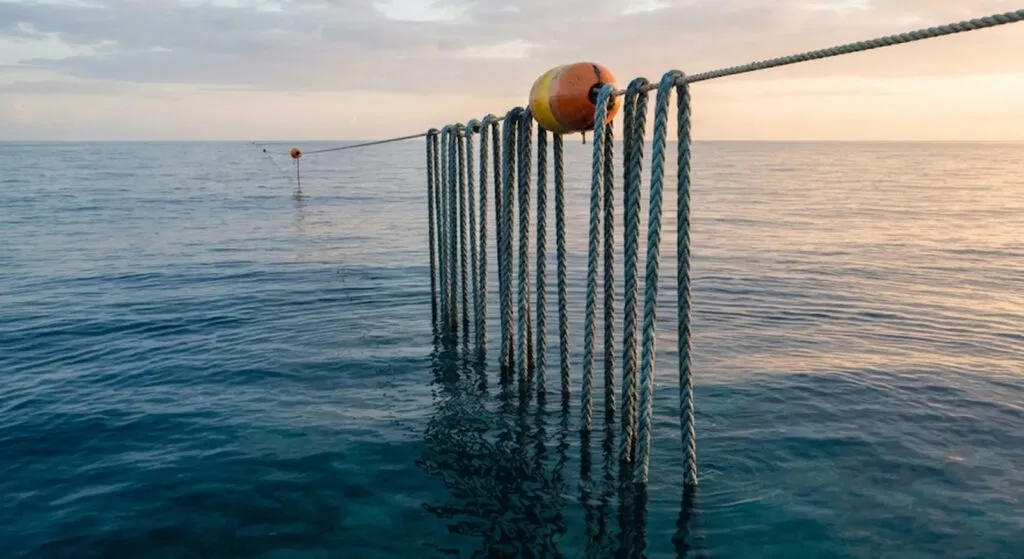
The price of uranium has jumped 75 percent in five years, and the list of countries that mine it reads...
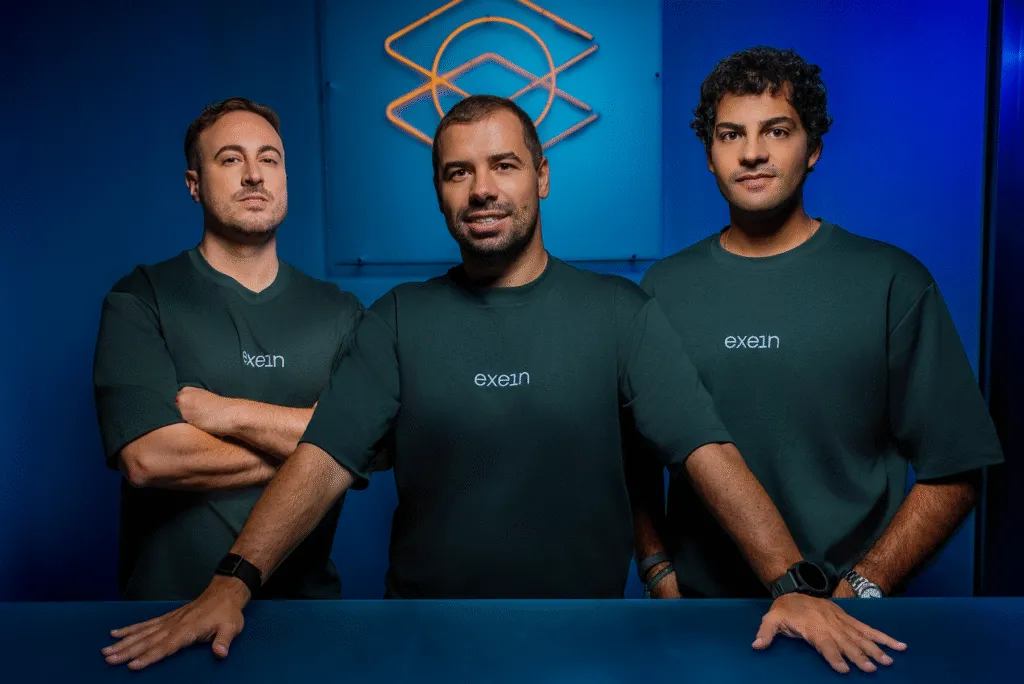
Exein raised 270 million dollars and its valuation jumped thirtyfold in two years. The European regulation coming into force in...
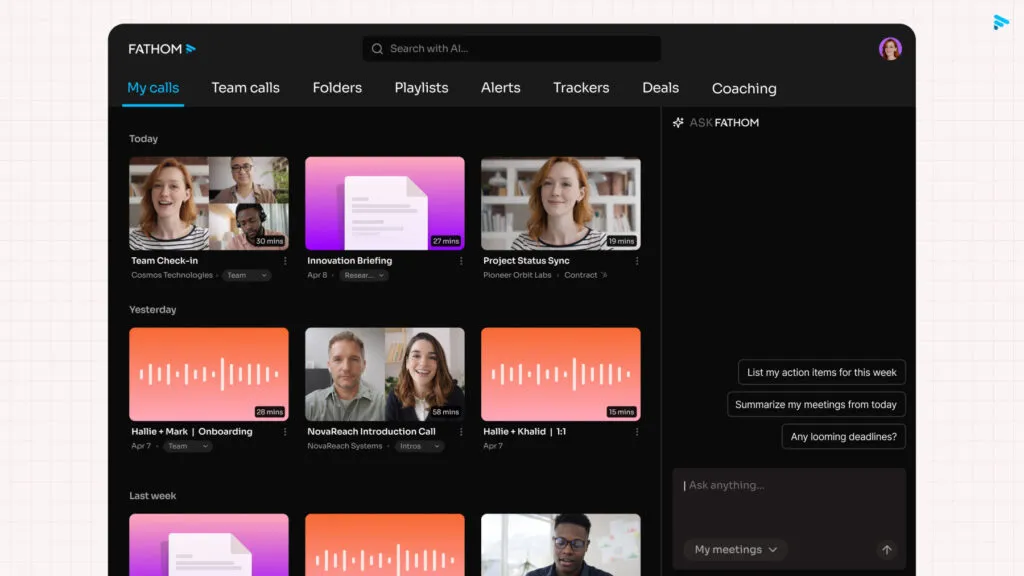
A startup valued at 94 million dollars changed hands, and both sides said openly what was being bought - not...
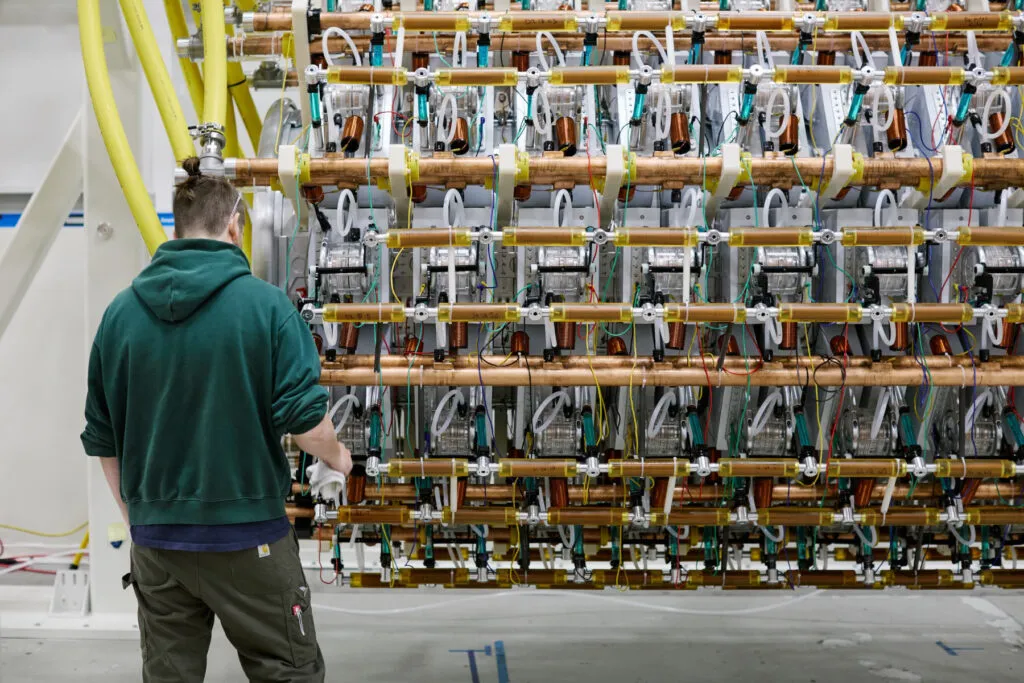
A technology sold for decades as the answer to the climate is now taking money from the defence industry. The...
The board voted, the founder kicked the administrators out of Slack and held out for three days. What does a...

Three months ago the company raised 60 million. Now it is worth almost ten times that, and its product is...

After Ohridska Banka, Sparkasse has gone after a second one. The approvals come from Podgorica, Belgrade and Frankfurt. The market...
This site uses cookies - is that okay? Learn more
Be the first to know when Metla launches something new
Leave your email and we will write when there is a new guide or something new on Metla.