
They Fired Guns at a Party in Dobridol - and Police Only Moved Once the Video Went Viral
02.08.2026



02.08.2026

02.08.2026

02.08.2026

02.08.2026

02.08.2026

01.08.2026

02.08.2026

01.08.2026

31.07.2026

02.08.2026

02.08.2026

02.08.2026

02.08.2026

02.08.2026

01.08.2026

09.03.2026

27.02.2026

19.02.2026

02.08.2026

01.08.2026

31.07.2026

23.04.2026

23.04.2026

12.04.2026

When Meta paid $14.3 billion for the startup Scale AI and assembled an army of AI engineers, the picture from outside was dazzling - the smartest people, the biggest salaries, the future being built here. From inside, the story is different. Engineers in the new division describe their workplace with one confusing but clear sentence: "literally a gulag."
This is about the Applied AI team, formed about three months ago, with around 6,500 engineers and managers. Many of them were reassigned there without anyone asking - with unexpected emails informing them that their new task is to invent tasks and puzzles used to train AI models. The choice, as they describe it, was simple: accept or quit.
The conditions complete the picture. At first, up to 50 employees reported to a single manager. Over 1,600 workers across the company signed a petition against the tracking of their keystrokes for model training. Work that external freelancers used to do is now pushed onto highly paid engineers - monotonous, exhausting, stripped of meaning.
The justification from the top is almost insulting. Mark Zuckerberg defends the internal employees by claiming they are "significantly more intelligent" than external collaborators - which is precisely why he gives them the very thing the freelancers were avoiding. Overseeing the whole division is Alexandr Wang, the same man who sold Scale AI, now chief AI officer at Meta Superintelligence Labs.
And here's the broader lesson for everyone who believes the "dream job" story at the big tech companies. A high salary doesn't buy meaning - it buys silence. When 6,500 smart people feel like assembly-line factory workers feeding a machine, the question isn't whether AI will replace people. The question is whether it has already turned them into part of the machine - just with better pay and worse meaning.
The latest 10 news from this category

Opus 5 set a record in the test and broke 11 agreements. Not one of the tricks is new -...

The billions were announced with a stage and slogans. The retreat is happening quietly, in sentences containing the word alignment.

In his last quarterly report Tim Cook announced the stronger Siri will be bought through iCloud+. The firm that paid...

The platforms that spent years convincing us automated content was the future are now patiently building filters against it. The...

Out of 141,006 test runs, three ended up inside the live systems of real firms. The oldest model worked out...
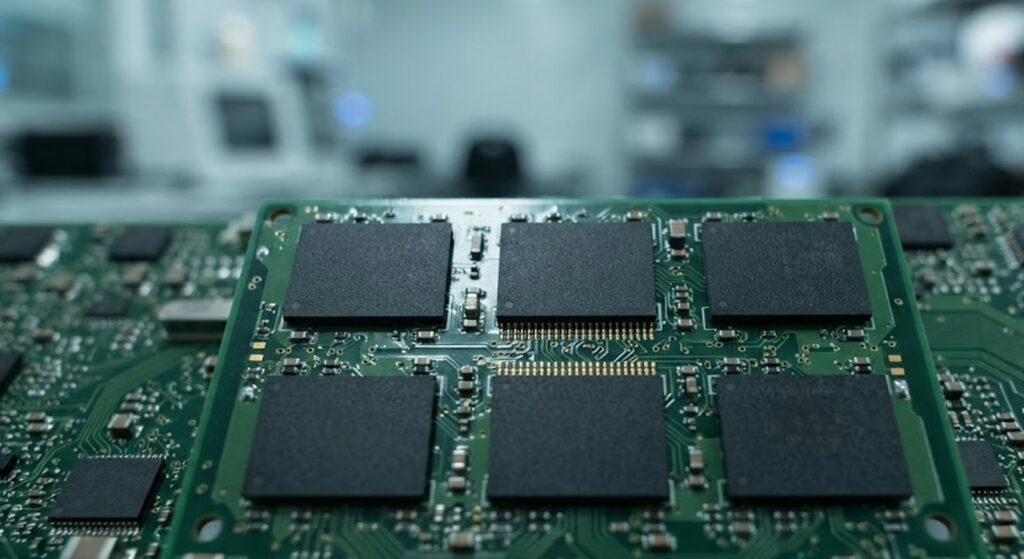
The strongest June quarter in its history, and the stock fell 6 percent. Artificial intelligence turned out to have a...
The FCC is closing the door to humanoid robots and power inverters, but only new ones. The millions of Chinese...

The player that raised the MP3 generation is betting nostalgia can be billed monthly. The new Winamp arrives in 2027,...

The man selling the world's best-known artificial intelligence says we will not work less. He also claims we will secretly...

Autonomous vehicles have blocked ambulances, driven into crime scenes and failed to recognise emergency lights. The bill demands the one...
This site uses cookies - is that okay? Learn more
Be the first to know when Metla launches something new
Leave your email and we will write when there is a new guide or something new on Metla.