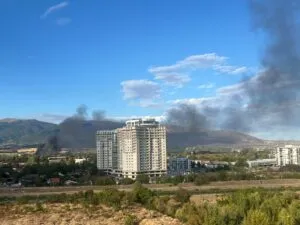
Black Smoke Over Skopje: A Paint and Varnish Warehouse Burned Inside the Old Steelworks
23.09.2026


23.09.2026
23.09.2026
23.09.2026

23.09.2026

23.09.2026
23.09.2026

23.09.2026

22.09.2026

21.09.2026

23.09.2026

23.09.2026

22.09.2026

23.09.2026

23.09.2026

23.09.2026

23.09.2026

22.09.2026

21.09.2026

23.09.2026

23.09.2026

23.09.2026

23.09.2026

23.09.2026

23.09.2026

09.03.2026

27.02.2026

19.02.2026

23.09.2026
22.09.2026

21.09.2026

23.04.2026

23.04.2026

12.04.2026

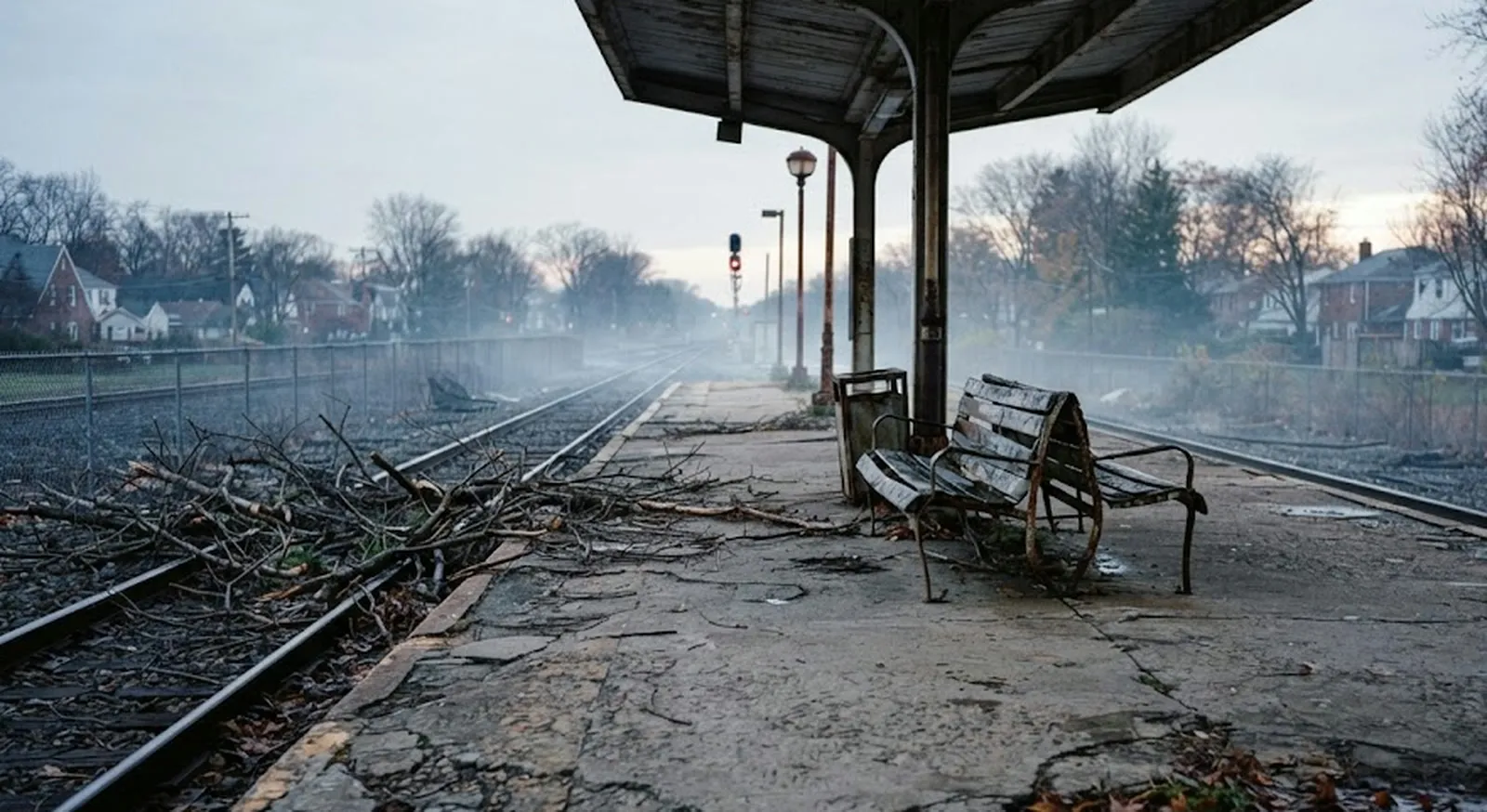
The train was late. Eight people stood on the platform waiting for it - the last suburban service that takes people from Brovary home after a shift. The missile arrived first. Not one of them boarded anything.
It happened at Kvitneve station, on the edge of Brovary east of Kyiv, during one of the fiercest nights since the war began in that part of the Kyiv region. A Russian missile struck a line of trees immediately behind the station, and the blast wave swept across the platform. In the morning the bodies still lay beside the rails - and a few metres away railway workers were already repairing the damaged track. That image tells the whole story of this war: death and routine side by side, with no pause between them.
The night's total is at least 17 dead in Kyiv and the surrounding area, with dozens injured. After midnight Russia sent 24 ballistic and four hypersonic missiles towards the city and the region, many of them aimed at warehouses in Brovary. Ukrainian President Volodymyr Zelensky said the targets were the warehouses of civilian companies.
The night when even the socks flew off
"That was the most terrifying night of my life," said 48-year-old Anastasia. A drone hit the house where her mother and her deaf and blind grandmother were. The top two floors were destroyed - neither of them was injured. Neighbours and emergency crews helped them out of the burning house.
"You know how they say you never hear the missile meant for you? That is exactly how it was," she says. The blast wave from one explosion was so strong that, as she describes it, "even my socks flew off". "I always wondered why people who survive an explosion lose their shoes. That is exactly what happened."
The director of the online store Rozetka, Iryna Chechotkina, said their distribution centre in Brovary was completely destroyed. That day she was supposed to write a post for the company's 21st birthday and thank its customers and team. Instead, as she wrote, she spent the night watching her life's work burn after three ballistic missiles struck.
The siren never sounded
Oksana Zhyrnyak, a 44-year-old nursery teacher, says there was no air raid warning at all before the first explosions. "There was no alert. They did not sound it. Then came three explosions, one after another. From the bedroom we saw the flash. I ran to my child and lay on top of them."
That is a detail worth holding onto, because it explains more than all the statements do. In recent weeks Russia has increasingly reached for ballistic missiles - precisely because Ukrainian air defence chronically lacks enough interceptors capable of stopping them. "Interceptors for ballistic missiles could have saved the lives of the people who died today," Zelensky wrote. In other words: the difference between eight dead on a platform and eight passengers running late for home is measured in delivered equipment.
Oksana has a message too, and it is not asking for pity: "It is hard for us, especially for those with children. Just do not forget us. Help us, because we cannot hold out alone." The Balkans know that sentence by heart - and know how quickly the world stops listening once a war stops being new.
The latest 10 news from this category
The offer is deliberately narrow - energy only, with a deadline before winter. When a power line goes down in...
On the night Russia was closing its parliamentary elections, Ukrainian drones reached the refinery at Kapotnya and residential blocks in...
Every sentence about last night's offensive has the same author - the Russian Ministry of Defence. There is smoke over...
The Telegram statement reads like a trailer: drones that blind drones, robots dropped from the air behind enemy lines, and...
Black smoke over the main airport, sirens in the middle of the night and a state that will not say...
Western agencies say no decision has been taken - only preparations that would let it all happen overnight. In the...
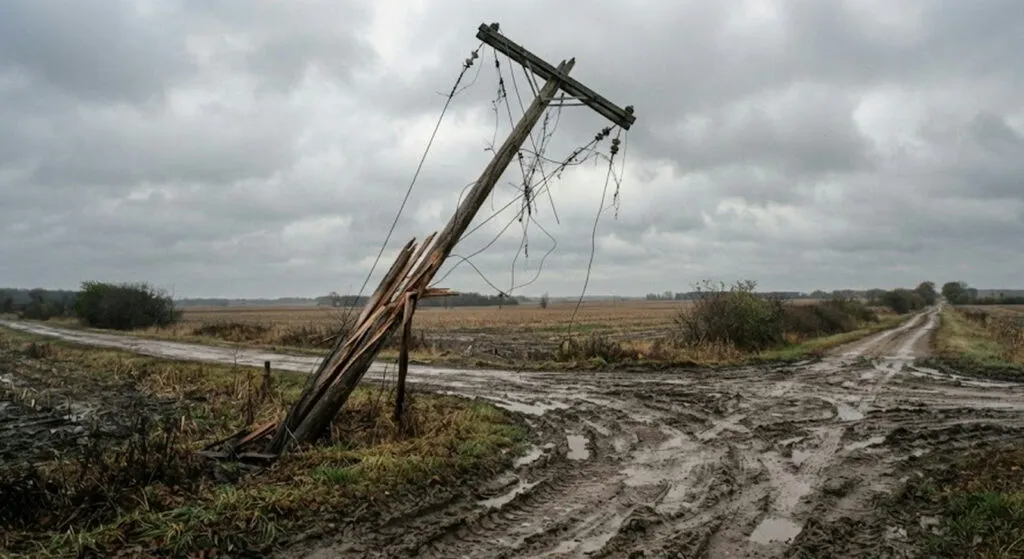
A Russian commander promised to cut the Kharkiv encirclement "like a pie". Every number comes from the camp running the...
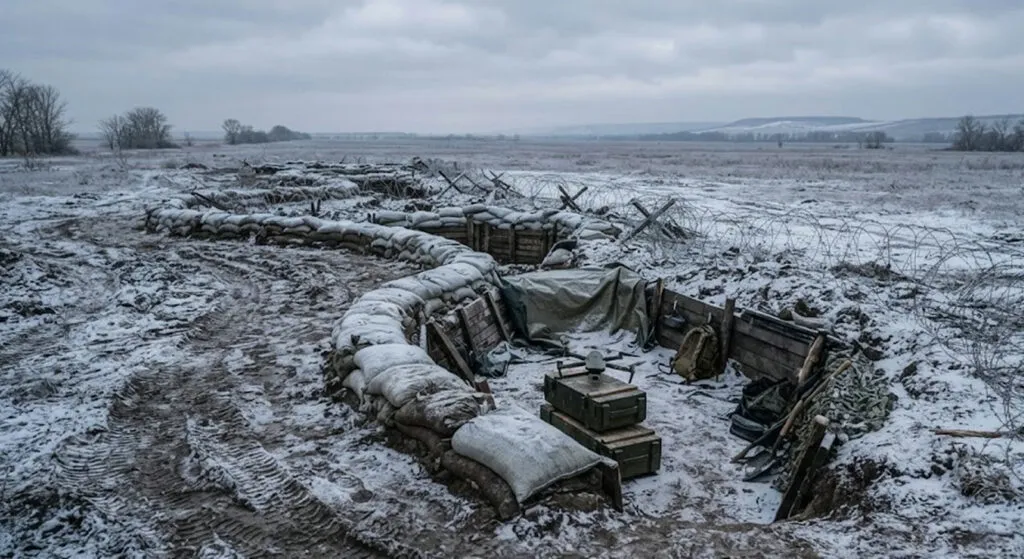
Around 8,500 North Korean soldiers are still in Russia, among them 1,000 engineers and 400 drone operators. Estimates point to...
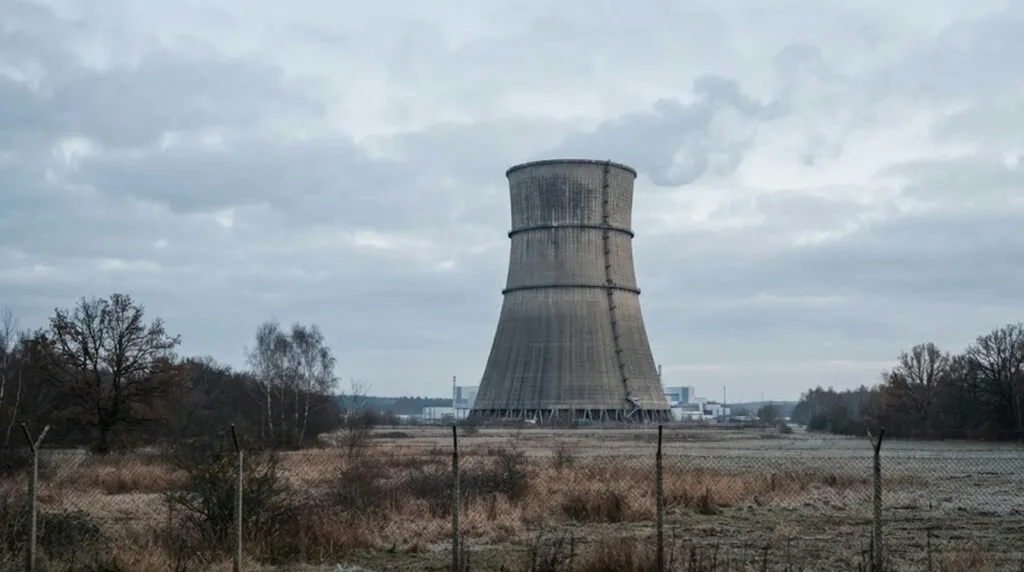
The unit was running, the operating regime did not change, there was no fire. The difference between a news item...

The bill passed with 262 votes, and the key to it has been handed to a man who has already...
This site uses cookies - is that okay? Learn more
Be the first to know when Metla launches something new
Leave your email and we will write when there is a new guide or something new on Metla.