
Two Schoolyard Assaults Reported in a Single Day: the Police Promised Measures, the Education System Said Nothing
19.09.2026


19.09.2026

19.09.2026
19.09.2026

19.09.2026
19.09.2026
19.09.2026
19.09.2026

18.09.2026

17.09.2026

19.09.2026

19.09.2026

18.09.2026

19.09.2026

19.09.2026

19.09.2026

19.09.2026

18.09.2026

17.09.2026

19.09.2026

19.09.2026

19.09.2026

19.09.2026

19.09.2026
18.09.2026

09.03.2026

27.02.2026

19.02.2026

19.09.2026

18.09.2026

17.09.2026

23.04.2026

23.04.2026

12.04.2026

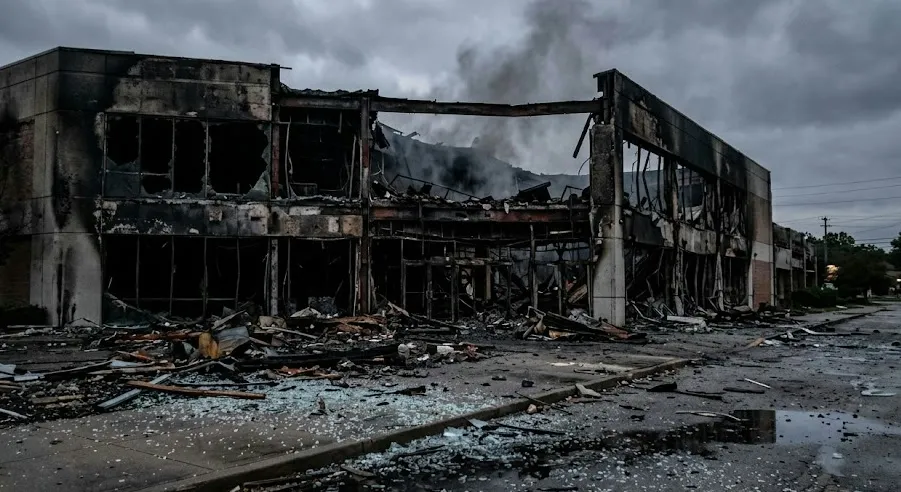
On the night of May 23-24, Moscow launched the largest aerial offensive against Kyiv since the war began - over 50 missiles and 700 drones deployed against various targets across the Ukrainian capital. Among the targets: the "Kvadrat" shopping mall, the Lukyanivska metro station, the Lukyanivska market and the main building of Ukrposhta on Maidan Nezalezhnosti. Explosions were registered at more than 40 locations across the city.
Russian sources claim "Kvadrat" wasn't a random target. According to their version, in this and similar facilities Ukraine had been hiding the production and assembly of drones - "unmanned aerial vehicles, storage of components, electronics, batteries, communications equipment." Civilian sites, they say, were being used as camouflage for military capacity. Naturally, not a single independently verified piece of evidence for that has yet been presented.
This is a classic wartime story - two sides claim two different versions, while on the ground there's destruction and casualties. At least one fatality has been confirmed so far; specific numbers for the mall are not known. What's certain: Oreshnik and similar hypersonic missiles, which Russia had announced long ago, are now being used in a real military operation, and Ukraine responds with growing requests for additional missile defense from the West.
Why does this matter for the Balkans? Because when Moscow shows it can hit the center of a European capital in a single night, every small country relying on external security guarantees has to ask itself whether those guarantees are worth exactly as much as people think. That doesn't mean Macedonia is a direct target. It means the danger of deep escalation in Europe is no longer theoretical. Energy prices, refugees, security pacts - all have a Balkan dimension. The war in Ukraine stopped being "distant" for us a long time ago.
The latest 10 news from this category
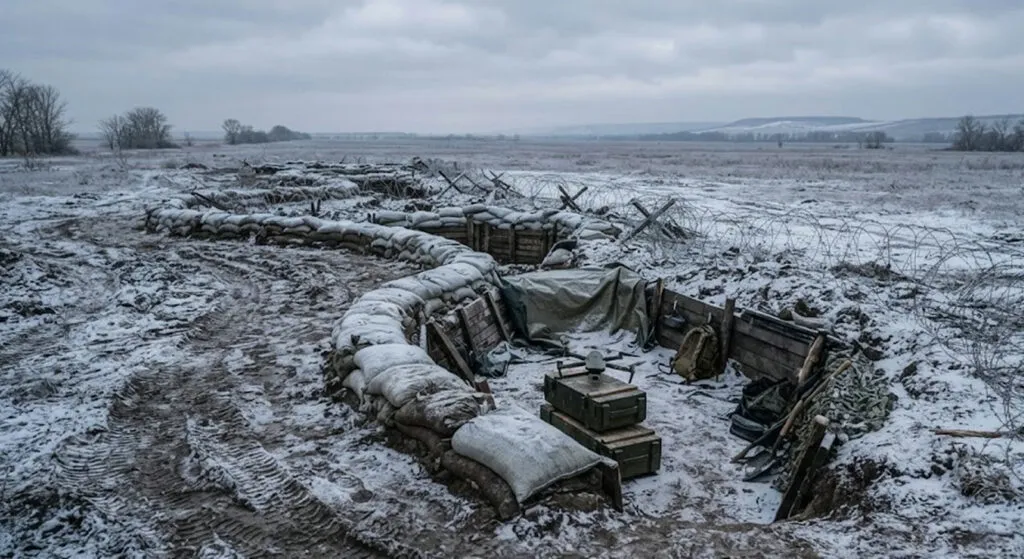
Around 8,500 North Korean soldiers are still in Russia, among them 1,000 engineers and 400 drone operators. Estimates point to...
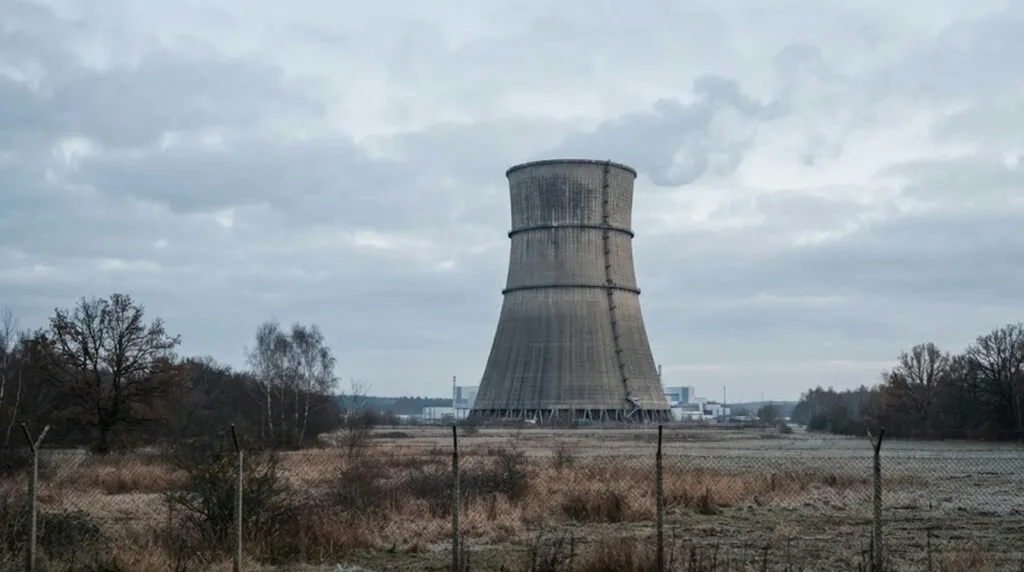
The unit was running, the operating regime did not change, there was no fire. The difference between a news item...

The bill passed with 262 votes, and the key to it has been handed to a man who has already...
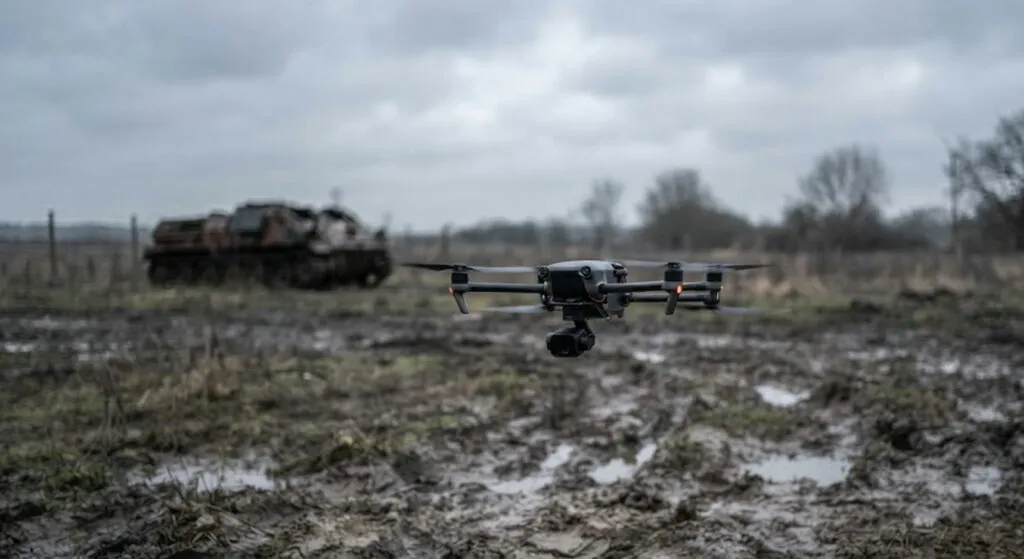
Ukraine adapts in weeks, the Alliance in decades. Europe is paying for Patriot systems from 1991 and is only now...
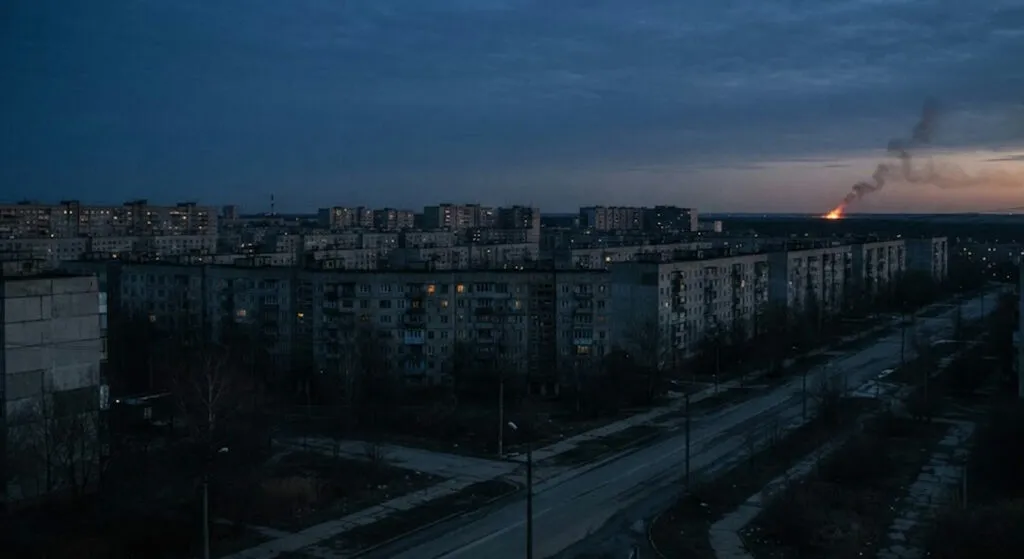
Missiles and drones on the Ukrainian capital, damaged water mains and residential buildings. The same night, Ukrainian drones set the...

Trump hopes the war is ending and is preparing to gather the Gulf leaders. Oil prices have jumped, and the...
Ukraine says when, where and which unit did it. Russia's defence ministry has not a single sentence about the circumstances....
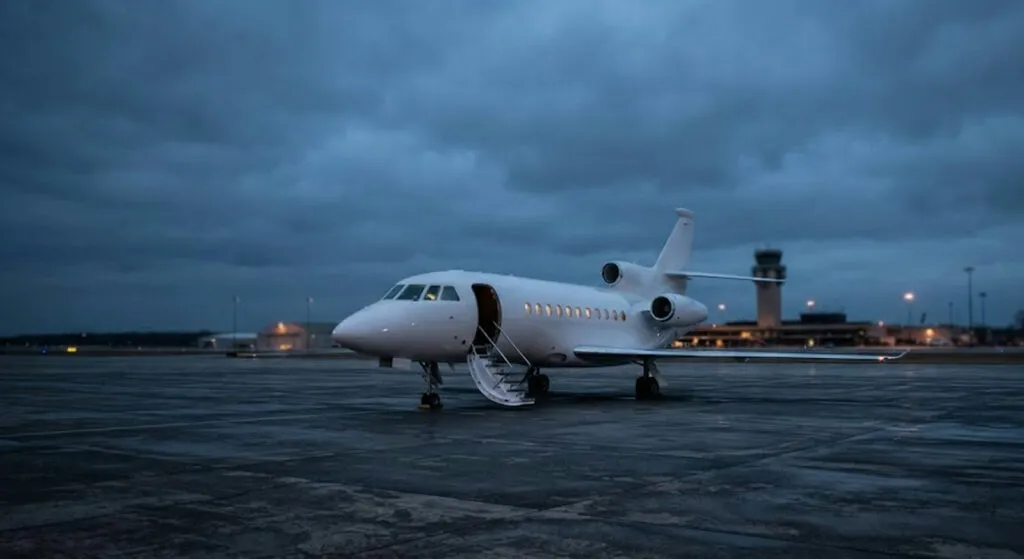
Norway's prime minister talks about a plane a drone "almost hit". Moldova, the only party holding the figures, reported that...
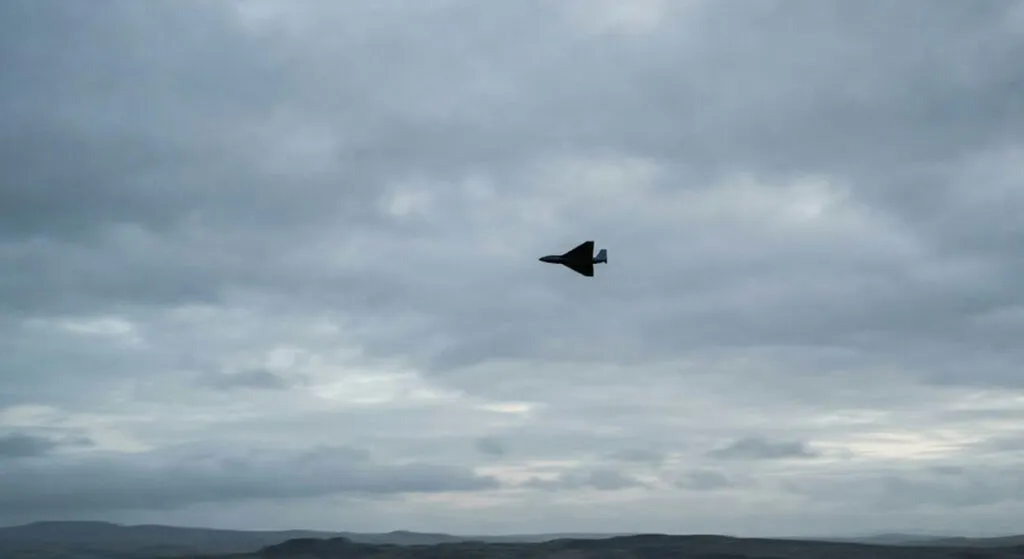
Ukraine was shooting down nine out of ten of the old drones. Then Russia changed the drone - and in...
It was shot down a few minutes after midnight, and all of Vilnius got a warning on their phones. Two...
This site uses cookies - is that okay? Learn more
Be the first to know when Metla launches something new
Leave your email and we will write when there is a new guide or something new on Metla.