
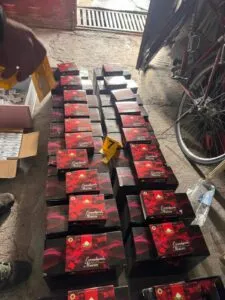
Black Smoke Over Skopje: A Paint and Varnish Warehouse Burned Inside the Old Steelworks
23.09.2026


23.09.2026
23.09.2026

23.09.2026

23.09.2026
23.09.2026
23.09.2026

23.09.2026

22.09.2026

21.09.2026

23.09.2026

23.09.2026

22.09.2026

23.09.2026

23.09.2026

23.09.2026

23.09.2026

22.09.2026

21.09.2026

23.09.2026

23.09.2026

23.09.2026

23.09.2026

23.09.2026

23.09.2026

09.03.2026

27.02.2026

19.02.2026

23.09.2026

22.09.2026

21.09.2026

23.04.2026

23.04.2026

12.04.2026

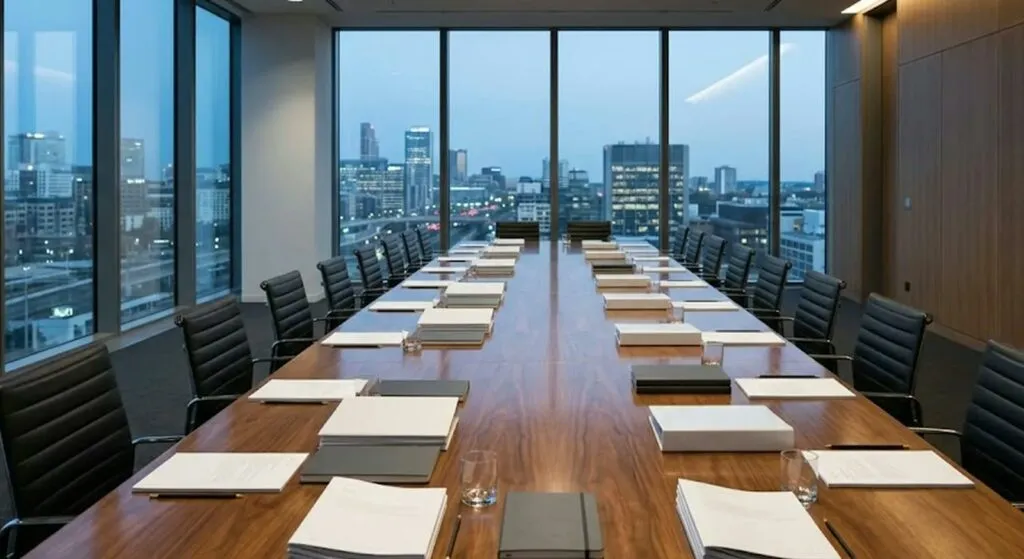
NATO is calling an urgent meeting of Europe's biggest arms-makers next week in Brussels. Not for a traditional summit. For something more politically loaded: how to double or triple Europe's weapons production within a year, while relations with the US fall apart in plain sight.
Mark Rutte, NATO's secretary-general, is calling in the bosses of Airbus, Rheinmetall, Safran, Saab, MBDA and Leonardo. The main message is simple: if NATO members hit defence-spending targets of 5% of GDP (the new bar Donald Trump is pushing), by 2035 Europe will have to spend an extra trillion dollars on weapons compared with 2024. And not in theory - in concrete terms, with factories, tanks, ammunition, missiles.
The reasons aren't hidden. First, Trump. Continual pressure for higher European defence spending. Second, US reluctance to back European weapons procurement for the Iran conflict. Third - and most shocking - the Pentagon unexpectedly pulled 5,000 troops out of Germany. Fourth, the diplomatic strain between Trump and German Chancellor Friedrich Merz, after which Berlin suddenly approved huge budgets for ammunition.
The meeting's main question, reading between the lines: "The point is that this rise in defence spending finally looks real and tangible on paper." That's the reality of the US-European alliance in 2026 - not a "shared value", but a wobbly slideshow of figures.
For the Balkans, this is a weighty moment. When Brussels talks factories and budgets, it means our neighbours - Croatia, Romania, Bulgaria - will be plugged into the supply chain. Maybe Macedonia gets a chance to come in as a sub-contractor. Maybe again - as usual - we'll be the ones reading the news about how other countries are picking up factories and export contracts while our own mines stay empty. Who decides? That's always the question.
The latest 10 news from this category
Two presidents, the same podium, a few hours apart and two contradictory realities. Macron did not argue about signatures -...

The mechanism he describes - decision before evidence, evidence retrofitted to the decision - is real, and Iraq proved it....

Peter Magyar compared it to a club that puts you in the team without asking, then tells you to bring...
Washington, Copenhagen and Nuuk are signing off on a military presence on an island of 56,000 people - and the...
Phones in Krāslava rang by themselves, the fighters took off, and what exactly triggered the alert - nobody is saying....
In Mecklenburg the CDU finished on 4.9 percent and, for the first time in the history of the Federal Republic,...

Tisza took 16 years of power off Fidesz and won 141 of 199 parliamentary seats. Orbán now says Brussels is...
With 75 percent of protocols counted, the governing party leads in 208 of the 225 single-mandate districts. A parliament of...
He never sat on the throne, and the emirate is lowering its flags for ten days. Sometimes the surname says...

Three options on the table in Washington - military pressure, economic strangulation or a deal - and the president frames...
This site uses cookies - is that okay? Learn more
Be the first to know when Metla launches something new
Leave your email and we will write when there is a new guide or something new on Metla.