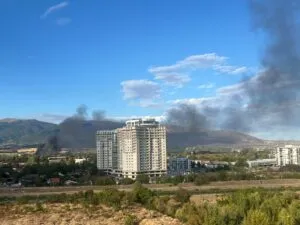
Black Smoke Over Skopje: A Paint and Varnish Warehouse Burned Inside the Old Steelworks
23.09.2026


23.09.2026
23.09.2026

23.09.2026

23.09.2026

23.09.2026

23.09.2026

23.09.2026

22.09.2026

21.09.2026

23.09.2026

23.09.2026

22.09.2026

23.09.2026

23.09.2026

23.09.2026

23.09.2026

22.09.2026

21.09.2026

23.09.2026

23.09.2026

23.09.2026

23.09.2026

23.09.2026

23.09.2026

09.03.2026

27.02.2026

19.02.2026

23.09.2026
22.09.2026

21.09.2026

23.04.2026

23.04.2026

12.04.2026

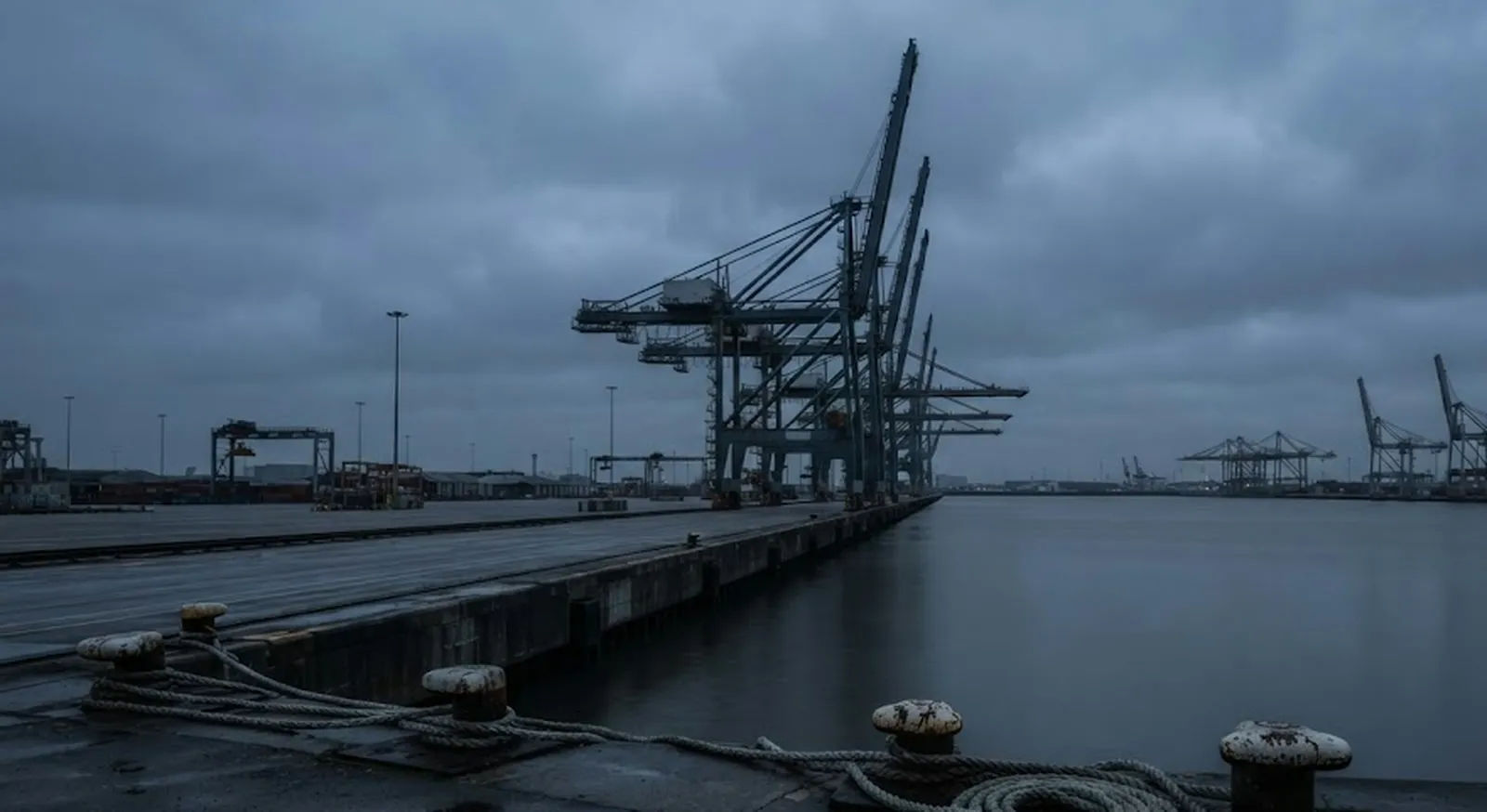
Since 22 July, the ports of Odesa, Chornomorsk and Pivdennyi have neither received nor dispatched a single foreign cargo ship. That is the number everything else in this story turns on - and it isn't a statement, it's a condition that shipping companies confirm simply by not showing up.
Russian forces have been striking the port infrastructure of Greater Odesa regularly since 10 July. Besides Odesa itself, facilities in Chornomorsk and Pivdennyi have been hit, along with vessels carrying military cargo for Ukraine. International companies are refusing to work with those ports on security grounds and are rerouting shipments - to the Romanian port of Constanța, among others.
What "paralysed" means when the other side says it
The claim that Ukraine's southern gateway is practically paralysed came from the head of the information policy department in the Kherson region - that is, a Russian official whose job is precisely how the picture looks from the outside. His work is to describe the Russian advantage as bigger than it is. That doesn't mean he's lying; it means the word "paralysed" is his choice, not the shipping schedules'.
The distinction matters. What stands without him is that the Odesa ports have gone three weeks without a foreign cargo ship, and that insuring those routes has become something nobody wants to sign.
The alternative routes - the Danube ports, Constanța, the road and rail corridors through European Union countries - cannot fully absorb what used to pass through Greater Odesa. A port is not replaced by trucks. That's a difference in order of magnitude, not in logistics.
The next move, according to Russian interpretations, would be cutting Ukraine off from the waterway in the Danube Delta as well. That's where the story stops being purely Ukrainian. The Delta is a European river with three states on it, and every new squeeze there gets counted in schedules and prices that reach far beyond the front line.
Black Sea grain and the Danube route are things the Balkans know up close. When one route closes, the cargo doesn't disappear - it just finds a longer and more expensive way around. The question is who gets handed the bill first, and whether it will be called a war cost at all.
The latest 10 news from this category
The offer is deliberately narrow - energy only, with a deadline before winter. When a power line goes down in...

On the night Russia was closing its parliamentary elections, Ukrainian drones reached the refinery at Kapotnya and residential blocks in...
Every sentence about last night's offensive has the same author - the Russian Ministry of Defence. There is smoke over...
The Telegram statement reads like a trailer: drones that blind drones, robots dropped from the air behind enemy lines, and...
Black smoke over the main airport, sirens in the middle of the night and a state that will not say...
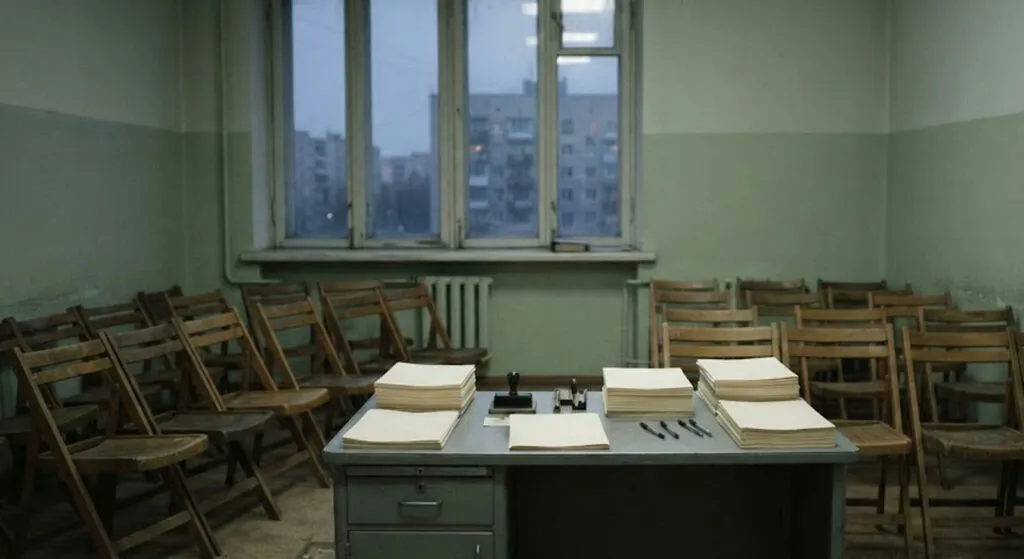
Western agencies say no decision has been taken - only preparations that would let it all happen overnight. In the...
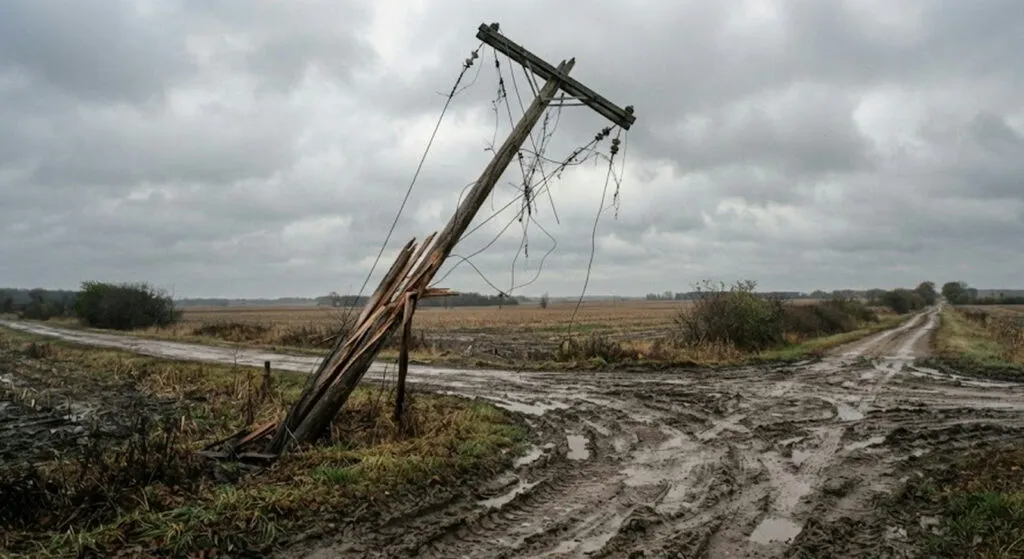
A Russian commander promised to cut the Kharkiv encirclement "like a pie". Every number comes from the camp running the...
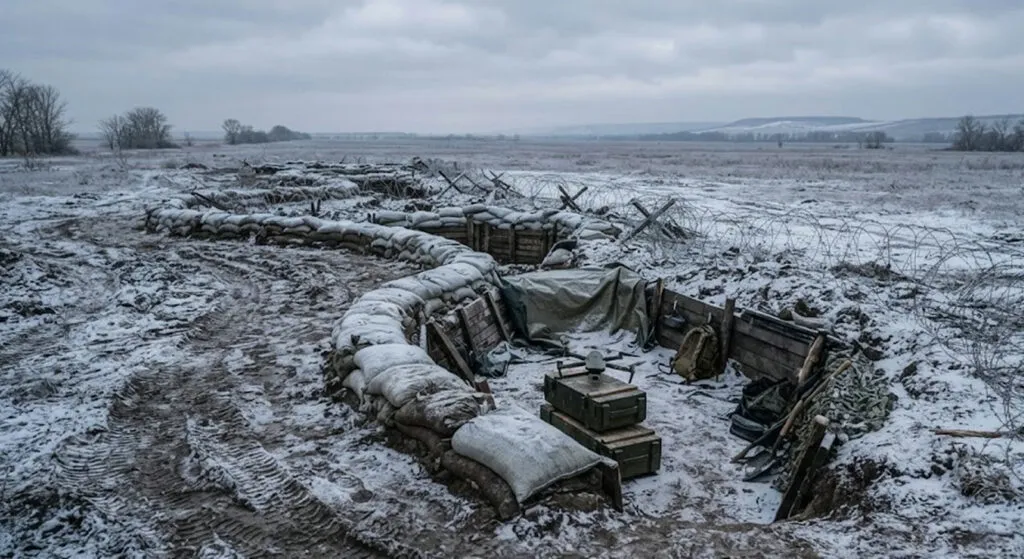
Around 8,500 North Korean soldiers are still in Russia, among them 1,000 engineers and 400 drone operators. Estimates point to...
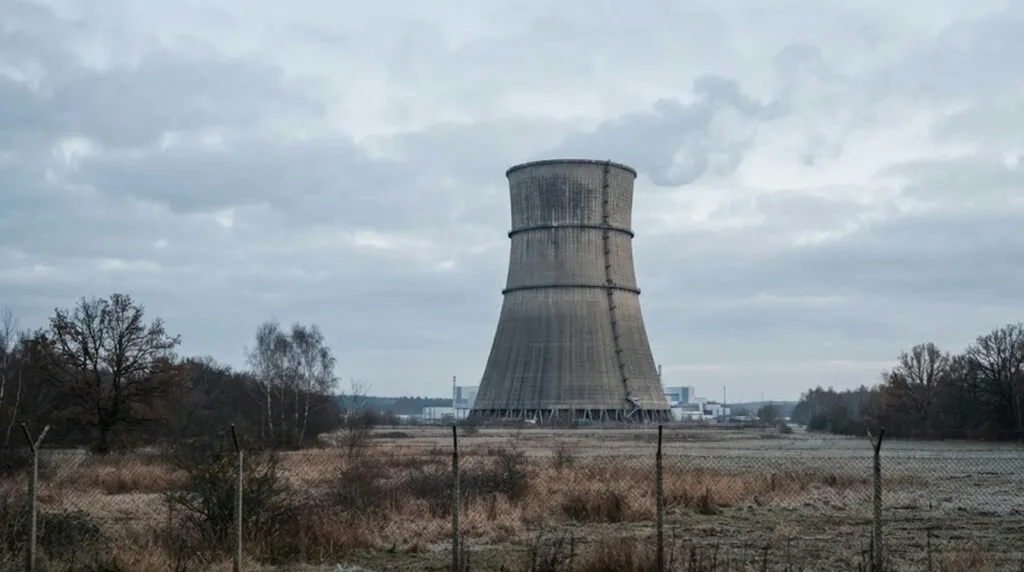
The unit was running, the operating regime did not change, there was no fire. The difference between a news item...

The bill passed with 262 votes, and the key to it has been handed to a man who has already...
This site uses cookies - is that okay? Learn more
Be the first to know when Metla launches something new
Leave your email and we will write when there is a new guide or something new on Metla.