
Шест години лажни категории во возачки дозволи од шалтер во МВР: обвинети шестмина, уште 21 лице под истрага
21.09.2026


21.09.2026

21.09.2026
21.09.2026

21.09.2026

21.09.2026

21.09.2026

21.09.2026

20.09.2026

20.09.2026

21.09.2026

21.09.2026

20.09.2026

21.09.2026

21.09.2026

21.09.2026

21.09.2026

20.09.2026

19.09.2026

21.09.2026

21.09.2026

21.09.2026

21.09.2026

21.09.2026

21.09.2026

09.03.2026

27.02.2026

19.02.2026

20.09.2026

19.09.2026

18.09.2026

23.04.2026

23.04.2026

12.04.2026

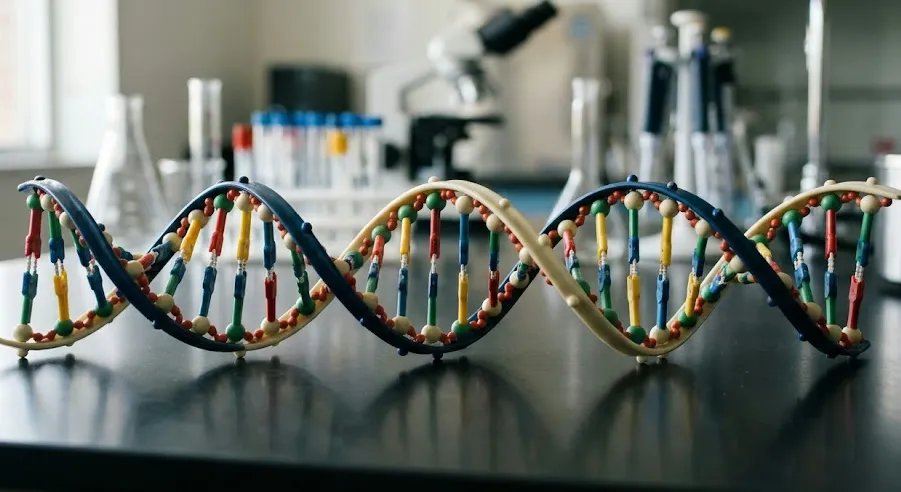
A genomic testing method called Prosigna could spare millions of women with breast cancer from unnecessary chemotherapy - without sacrificing the outcome of treatment. That is the conclusion of the international OPTIMA study, led by University College London, which followed more than 4,000 patients across six countries.
The headline finding is clear: among the patients the test showed to be low risk for recurrence, those who skipped chemotherapy had 94 percent survival; those who did receive chemotherapy had 95 percent. A single percentage point of difference - "no significant additional benefit", as the researchers conclude. The real-world translation: half the women going through chemotherapy after surgery today may not need it.
The test analyses 50 genes in the tumour tissue to calculate the 10-year risk of recurrence. That gives an individual risk profile for each patient, instead of a one-size-fits-all standard protocol. Those who do not need chemotherapy - do not receive it. Those who do - carry on. A simple idea. But to become usable, it had to come through a decade-long study.
For patients that means freedom from the harshest side effects of chemotherapy: hair loss, nausea, cognitive damage, infertility. For health systems, it means enormous savings - and less load on oncology centres. For Balkan clinics - already strained by shortages of oncology drugs and limited access to advanced tests - it means something mixed: a remedy that exists, but whether it becomes available will depend on how state insurance funds integrate it into the standard protocols.
The study's lead investigator sums it up: "Many patients can safely avoid chemotherapy without fear that it will compromise the outcome of their treatment." For people in medicine, that is a plain sentence. For people receiving a diagnosis - it is the difference between six months of hellish therapy and six months of a normal life after surgery.
The latest 10 news from this category

Три опции на масата во Вашингтон - воен притисок, економско давење или договор - а претседателот ја опишува дилемата како...

Партијата на Аденауер и Кол се лизна до изборниот праг во Мекленбург, АфД веќе бара оставка од канцеларот, а Мерц...

Two prime ministers in the same Union, the same month, completely opposite diagnoses of who is provoking whom. There is...

A broken aircraft in a field usually ends up in a police note. This one ended up with federal investigators,...

Beijing will easily find another supplier. The harder question is what Washington is actually testing: whether private Chinese companies will...

The law lets Washington hit the five biggest buyers of Russian oil with tariffs of up to 100 per cent....

Measures imposed over the war in Ukraine are now being offered as currency in an entirely different dispute. If the...

A smaller dose and more needles does not mean a safer vaccine, it means an ineffective one. Science has had...

Harald designed the sarcophagus himself, and it is shaped like a ship. The stone is 400 million years old and...

Von der Leyen proposed a status that does not exist in European law, the Canadians distanced themselves, and Washington announced...
This site uses cookies - is that okay? Learn more
Be the first to know when Metla launches something new
Leave your email and we will write when there is a new guide or something new on Metla.