

Kratovo man stabs police officer mid-intervention: prosecutors want the 40-year-old detained
15.09.2026


15.09.2026

15.09.2026

15.09.2026

15.09.2026

15.09.2026

15.09.2026

15.09.2026

14.09.2026

13.09.2026

15.09.2026

15.09.2026

14.09.2026

15.09.2026

15.09.2026

15.09.2026

15.09.2026

14.09.2026

13.09.2026

15.09.2026

15.09.2026

15.09.2026

15.09.2026

15.09.2026

14.09.2026

09.03.2026

27.02.2026

19.02.2026

15.09.2026

14.09.2026

14.09.2026

23.04.2026

23.04.2026

12.04.2026

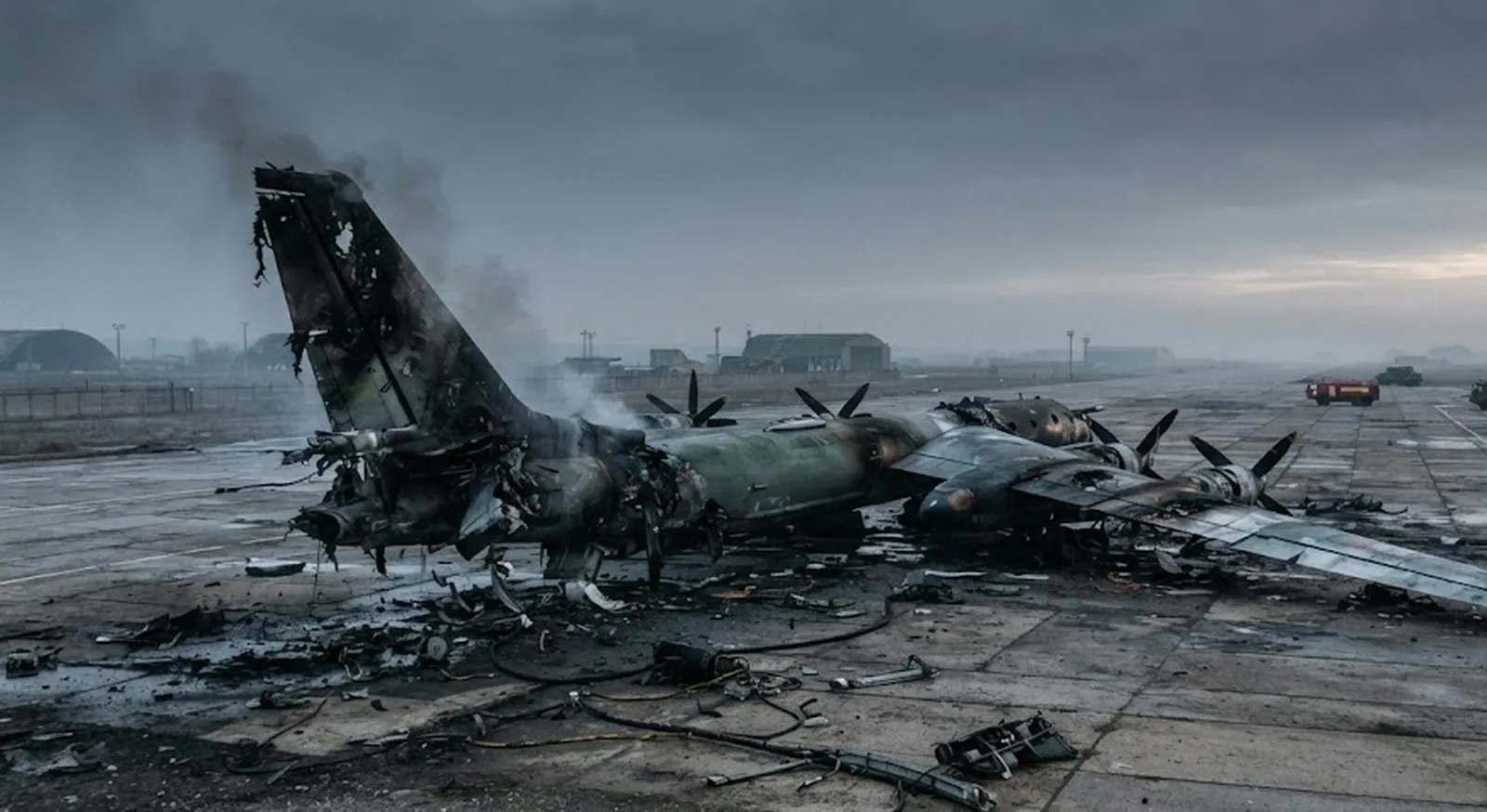
For years Russia has been building shelters, decoy aircraft and concrete bunkers to hide its strategic bombers. And once again, a single drone that flew around 800 kilometres turned all of it into scrap iron.
Satellite images from 19 July confirmed that a Russian Tu-95MS strategic bomber was destroyed at the Engels-2 military base in the Saratov region. According to sources, Ukraine's security service carried out the operation with long-range drones on 16 July. The images show two Tu-95MS bombers, one with its tail completely torn off. The fire spread through the fuselage and reached the internal bay where cruise missiles are stored.
The damage is such that the aircraft can no longer be repaired. And here is the point Moscow does not want to say out loud: the Tu-95MS is a Soviet design that has long stopped being produced. Every downed example is a loss with nothing to replace it. This is not a tank that will roll out of a factory in a few months.
The Tu-95MS is the main platform from which Russia launches H-101 cruise missiles beyond the reach of Ukrainian air defence. In other words, every such bomber is part of the machine that has been hitting Ukrainian cities for months. According to the Oryx analysis project, Russia has lost at least ten such aircraft since the start of the war, nearly all destroyed while sitting quietly parked at their bases.
And the Engels-2 base really did try to protect itself. Satellite images from June showed at least seventeen reinforced shelters built specifically for these bombers. And despite all of it, the aircraft that was hit stayed exposed on an open runway. Millions invested in concrete, and the plane parked outside like a car in front of a shop.
The message is bigger than one burned-out bomber. Russia's strategic aviation, the pride of its military, remains vulnerable hundreds of kilometres deep inside its own territory. When a drone that costs a fraction of the price of a bomber can set that very bomber alight on a home runway, the question is not whether it will happen again, but when.
The latest 10 news from this category
Between 2,300 and 3,000 North Korean soldiers have died in Kursk so far. Kim Jong Un has found an export...
A NATO fighter jet downed an unmanned aircraft over Lithuania minutes after midnight, and citizens got the warning on their...
The train was empty, the locomotive damaged, nobody hurt. But Boris Johnson and a group of European security advisers had...
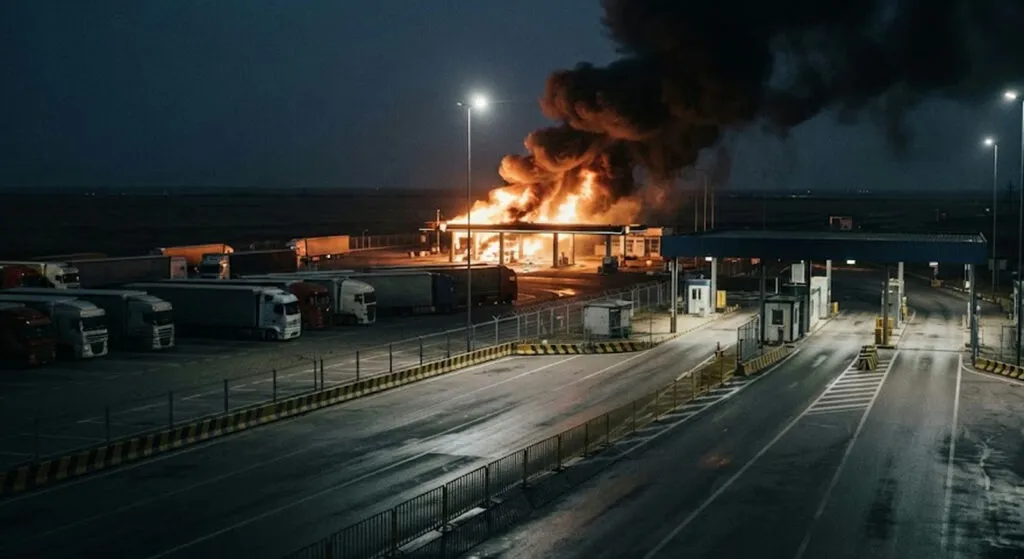
453 drones in one night, 405 shot down - and the forty-eight that got through land somewhere. Poland's prime minister...

Trump's son-in-law told an audience in Kyiv the deal is done - if Ukraine withdraws. And added that the battlefield...

A barren volcanic rock in the middle of a strait 28 kilometres wide changed the oil market in a single...

Hostomel, Odesa, Kryvyi Rih - targets that are not the front line but the supply chain. A war against the...

We don't want war with Europe, but here is exactly how that war would start. He said both sentences in...

When an army recalls its special forces with a 12-hour deadline, that is not a rota but a signal. The...

Port infrastructure in Makhachkala and the theatre building caught fire, the governor said. Moscow claims it shot down 448 drones...
This site uses cookies - is that okay? Learn more
Be the first to know when Metla launches something new
Leave your email and we will write when there is a new guide or something new on Metla.
