
Шест години лажни категории во возачки дозволи од шалтер во МВР: обвинети шестмина, уште 21 лице под истрага
21.09.2026


21.09.2026

21.09.2026

21.09.2026

21.09.2026

21.09.2026

21.09.2026

21.09.2026

20.09.2026

20.09.2026

21.09.2026

21.09.2026

20.09.2026

21.09.2026

21.09.2026
21.09.2026

21.09.2026

20.09.2026

19.09.2026

21.09.2026

21.09.2026

21.09.2026

21.09.2026
21.09.2026

21.09.2026

09.03.2026

27.02.2026

19.02.2026
20.09.2026

19.09.2026

18.09.2026

23.04.2026

23.04.2026

12.04.2026

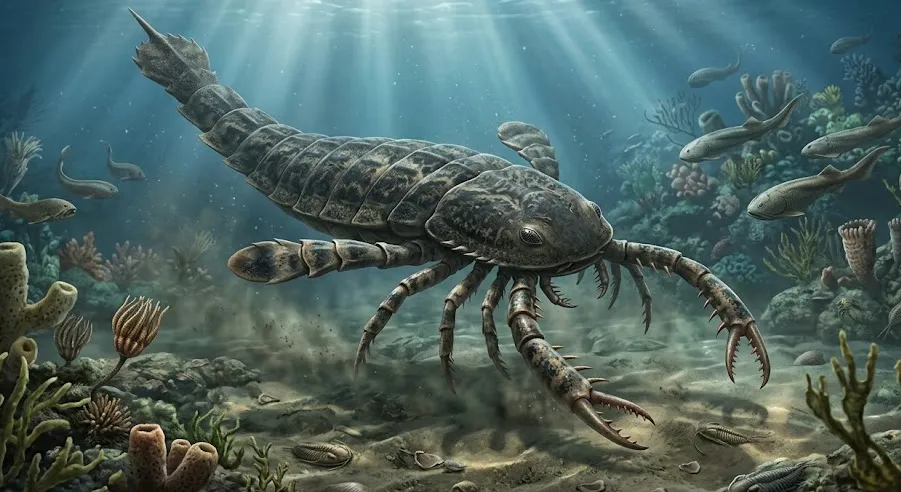
Picture a scorpion a full meter long, with claws 16 centimeters each, hunting in a shallow prehistoric sea. It's not a scene from a horror film, but science's latest discovery - Praearcturus gigas, the largest scorpion that ever existed, which walked the ground of present-day Britain about 415 million years ago.
The most interesting part is how it was "discovered." The fossils had actually lain for more than a century in a natural history museum in London, misclassified. Back in the 1870s, someone declared them isopods - a kind of crustacean. Only now, with computed tomography and a re-analysis of eight specimens from three sites, did scientists realize what they were actually dealing with.
The key evidence was found by Richard Howard, the museum's curator of fossil arthropods - a long, triangular breastbone with a groove down the middle, the same as in a related Canadian scorpion. The body was covered with coarse bumps, typical of scorpions, and the claws large enough to provoke unpleasant thoughts. "You wouldn't want to meet a creature like this in a dark alley," jokes paleobiologist Russell Bicknell.
According to the researchers, published on June 2 in the journal Palaeontology, the beast probably led a semi-aquatic life and hunted primitive jawless fish - since small prey simply wouldn't have been enough for so large a body. Howard explains the absence of some parts with a neat image: "If you find a dinosaur skeleton without a head, you won't assume it had no head."
There's something soothing about news like this amid today's headlines of wars and crises. A reminder that the planet carries stories far older than all our borders and conflicts - and that some of the greatest discoveries don't come from new digs, but from looking more closely at what we already have on the shelf.
The latest 10 news from this category
Три опции на масата во Вашингтон - воен притисок, економско давење или договор - а претседателот ја опишува дилемата како...
Партијата на Аденауер и Кол се лизна до изборниот праг во Мекленбург, АфД веќе бара оставка од канцеларот, а Мерц...

Two prime ministers in the same Union, the same month, completely opposite diagnoses of who is provoking whom. There is...
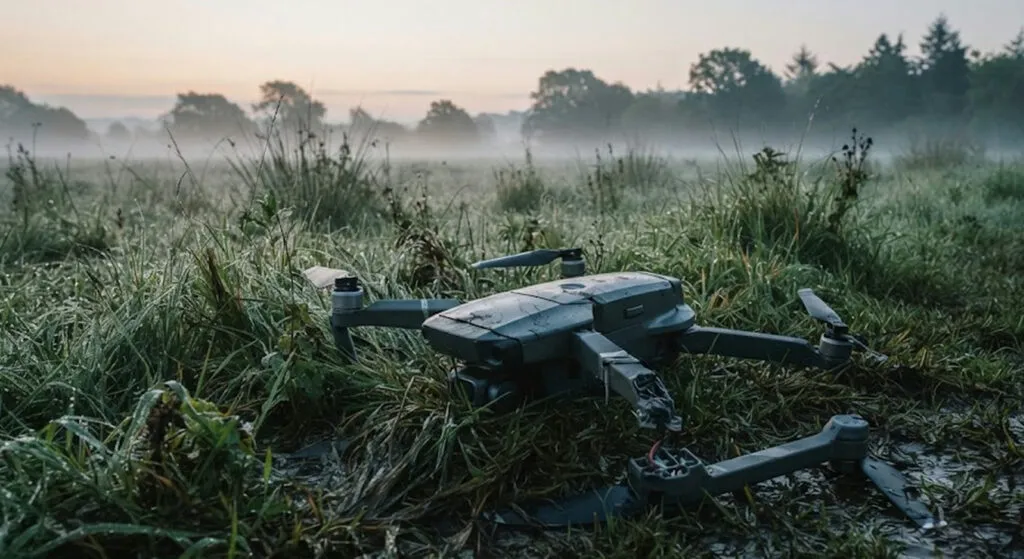
A broken aircraft in a field usually ends up in a police note. This one ended up with federal investigators,...

Beijing will easily find another supplier. The harder question is what Washington is actually testing: whether private Chinese companies will...

The law lets Washington hit the five biggest buyers of Russian oil with tariffs of up to 100 per cent....

Measures imposed over the war in Ukraine are now being offered as currency in an entirely different dispute. If the...

A smaller dose and more needles does not mean a safer vaccine, it means an ineffective one. Science has had...
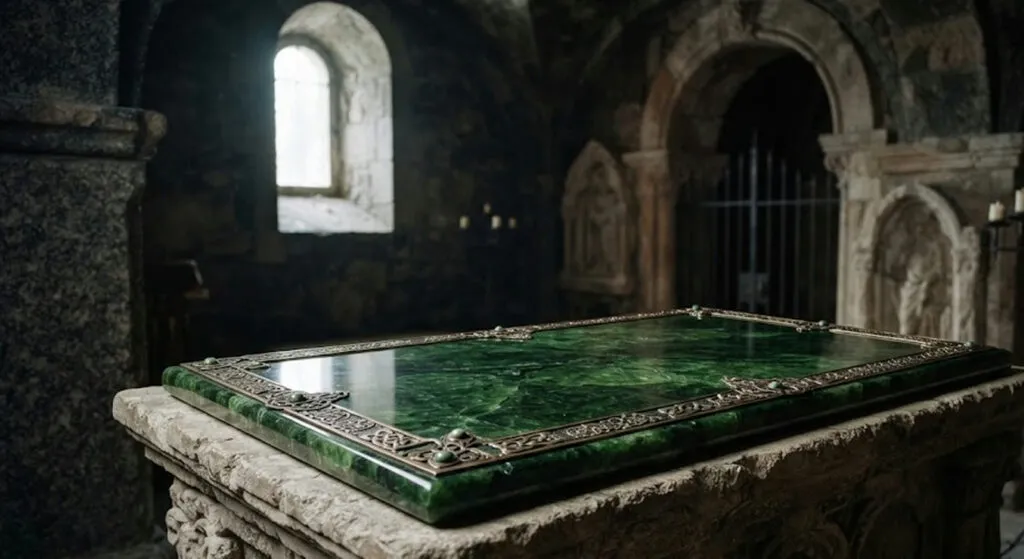
Harald designed the sarcophagus himself, and it is shaped like a ship. The stone is 400 million years old and...

Von der Leyen proposed a status that does not exist in European law, the Canadians distanced themselves, and Washington announced...
This site uses cookies - is that okay? Learn more
Be the first to know when Metla launches something new
Leave your email and we will write when there is a new guide or something new on Metla.