
Sixteen Arrests in Twenty-Four Hours, All for Drugs: The Police Are Working - But Where Are All These People Coming From?
20.09.2026


20.09.2026

20.09.2026
20.09.2026
20.09.2026

20.09.2026

20.09.2026

20.09.2026

20.09.2026

20.09.2026

20.09.2026

20.09.2026

19.09.2026

20.09.2026

20.09.2026

20.09.2026

20.09.2026

19.09.2026

18.09.2026
20.09.2026

20.09.2026

20.09.2026

20.09.2026

20.09.2026

20.09.2026

09.03.2026

27.02.2026

19.02.2026

20.09.2026
19.09.2026

18.09.2026

23.04.2026

23.04.2026

12.04.2026

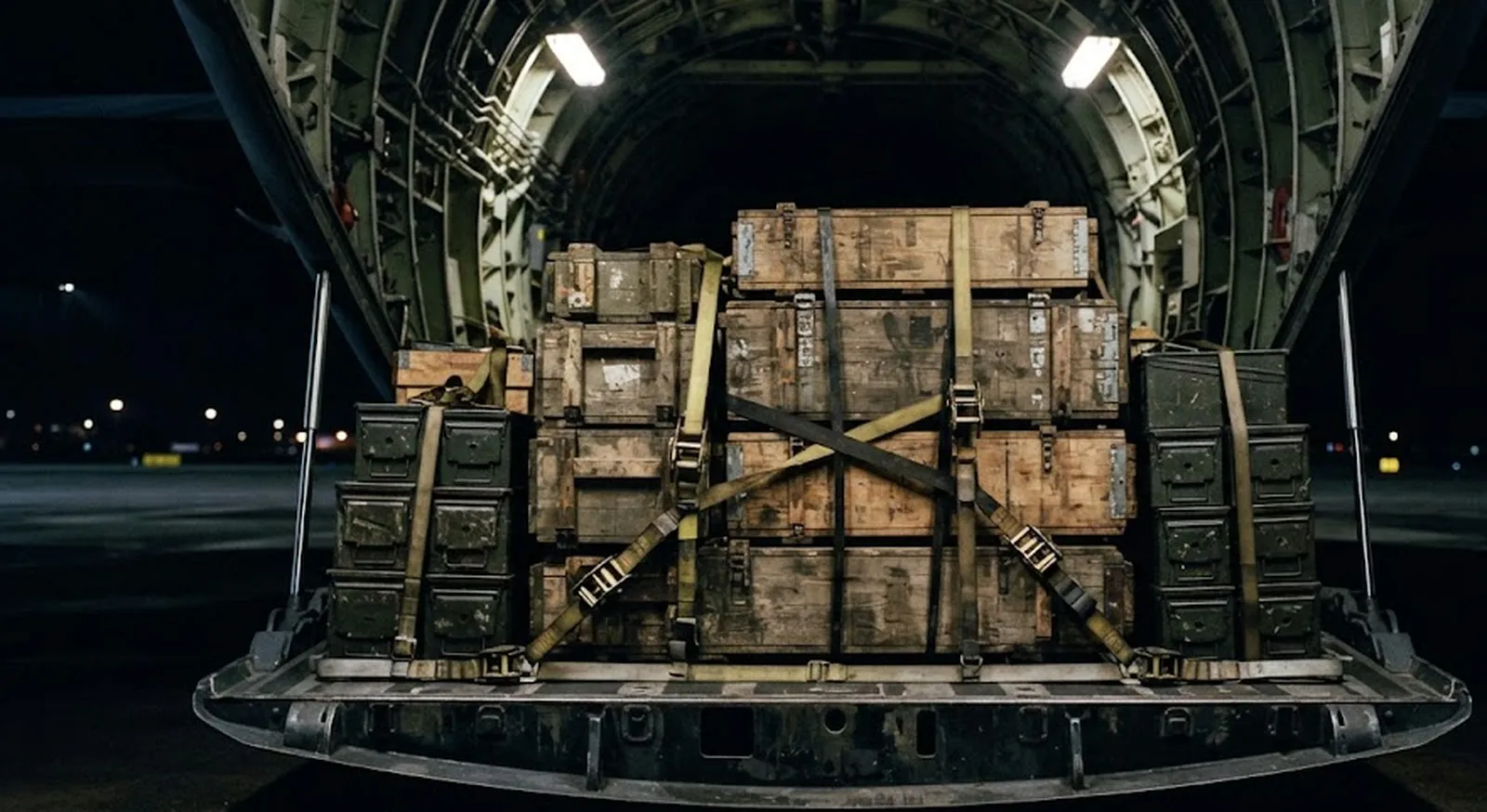
The eighth of October. A day after the Hamas attack, when the world was still counting casualties and did not know what came next, Israeli representatives called their Serbian counterparts with one request: ammunition. Serbia issued the export licences in four days. The shipments left for the Nevatim air base near Beersheba.
That is the start of a story that has since grown into something far bigger than an emergency delivery. And it is a story discussed in the Balkans far less than it deserves.
The numbers grow faster than any political explanation
By mid-2024 Serbia had exported 16.3 million euros' worth of ammunition to Israel. For comparison - in all of 2023 up to October, total Serbian arms exports to Israel amounted to 540,000 euros. That is a roughly thirtyfold jump.
And that was only the warm-up. In 2025 Serbian arms exports to Israel jumped 140 percent to reach 114 million euros, with 38 recorded cargo flights carrying ammunition in that year alone. Then came the deal that changes the nature of the relationship: an arrangement with the Israeli company Elbit Systems worth 1.6 billion dollars, over five years.
That contract is not about buying finished weapons. It covers the manufacture of reconnaissance and combat drones in Serbia, development of kamikaze drones, precision long-range artillery rockets and electronic warfare systems. Serbia had already bought PULS rocket systems and Hermes 900 reconnaissance drones from the same company. During 2026, Belgrade and Jerusalem also signed an agreement on exchanging intelligence and defence data.
The country that balances everyone
Serbia simultaneously maintains historically close ties with Russia, moves closer to China on air defence and drones, negotiates with the EU, and is now building a military-industrial axis with Israel. UN special rapporteur Francesca Albanese criticised Serbian authorities over that cooperation in March. In February 2024, Benjamin Netanyahu publicly thanked Aleksandar Vučić for his "unwavering support" and called him "a true friend of Israel".
From the Serbian viewpoint the logic is cold and understandable: you do not want to depend on one big player. Russia traditionally supplies weapons, China entered recently, and Israel and France serve to dilute that dependence. Serbia also uses its geography - the land corridor between southeastern Europe and the continent, which makes it interesting to anyone eyeing trade routes, including the India-Middle East-Europe corridor.
And the rest of the region is watching
This is where the story stops being purely Serbian. Turkey, with its own ambitions in the Balkans, is strengthening defence ties with Croatia, Albania and Kosovo - which Belgrade reads as cause for concern. So we have a region where everyone is quietly arming through different external partners, and nobody is making it a public topic.
It is also interesting how far back the roots go. Theodor Herzl's grandfather, Simon Loeb Herzl, lived in Zemun and was close to Rabbi Yehuda Alkalai, one of the first theorists of modern Jewish nationalism - who drew inspiration from the Serbian uprisings against the Ottomans. The young Herzl most likely first heard of the idea of Jewish national revival through exactly those family connections.
Today, of course, this is not about history. It is about weapons, drones, intelligence cooperation and regional security. The unanswered question is who in the Balkans is even following this arithmetic - 114 million euros in exports, a 1.6 billion contract, drone production at the nearest neighbour - and who is turning it into policy instead of statistics?
The latest 10 news from this category
Eight countries, 120 million people, a motorway to Timisoara and energy connections. And one cancelled visit that says more than...
The call was about damaged furniture on a terrace. Armin Dzutovic died three days later. The internal investigation found first...
Four KLA leaders received 81 years in prison, and Albania's parliament immediately adopted a declaration calling the verdict unjust. The...
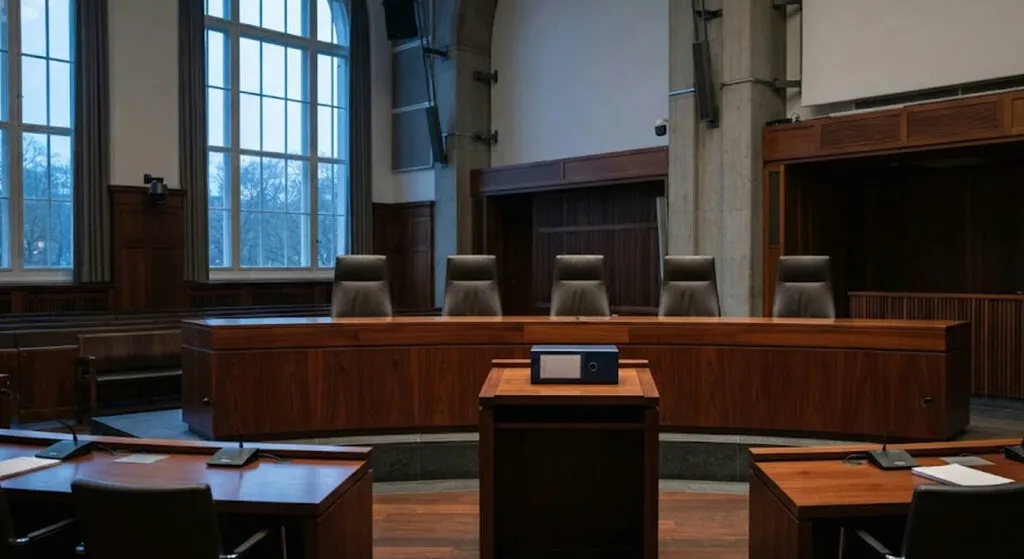
The court established responsibility for 96 killed, 303 tortured and 385 unlawfully detained. The prosecution asked for 45 years. Serbia...
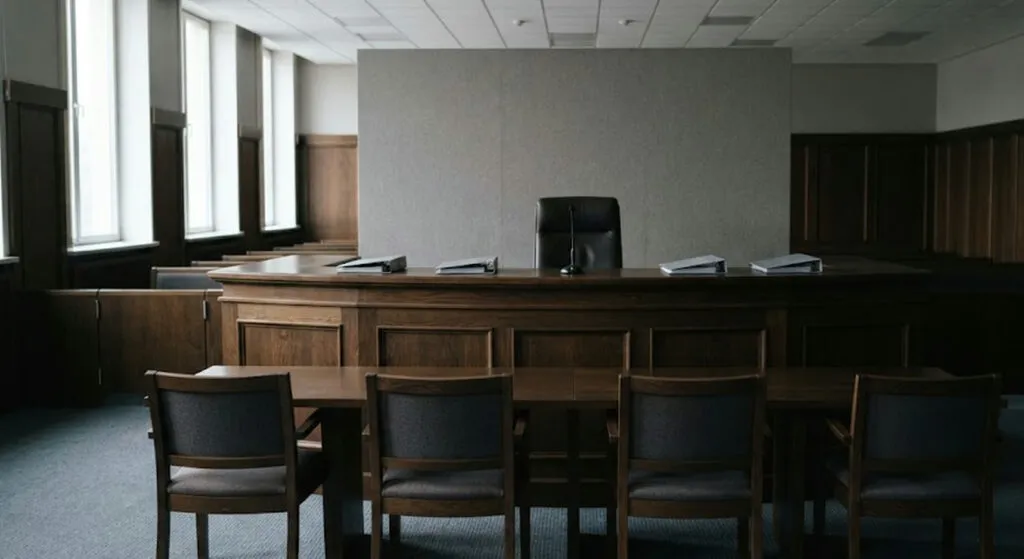
Thaci and Krasniqi got 25 years each, Veseli 18, Selimi 13. The court established 385 unlawfully detained, 303 tortured and...
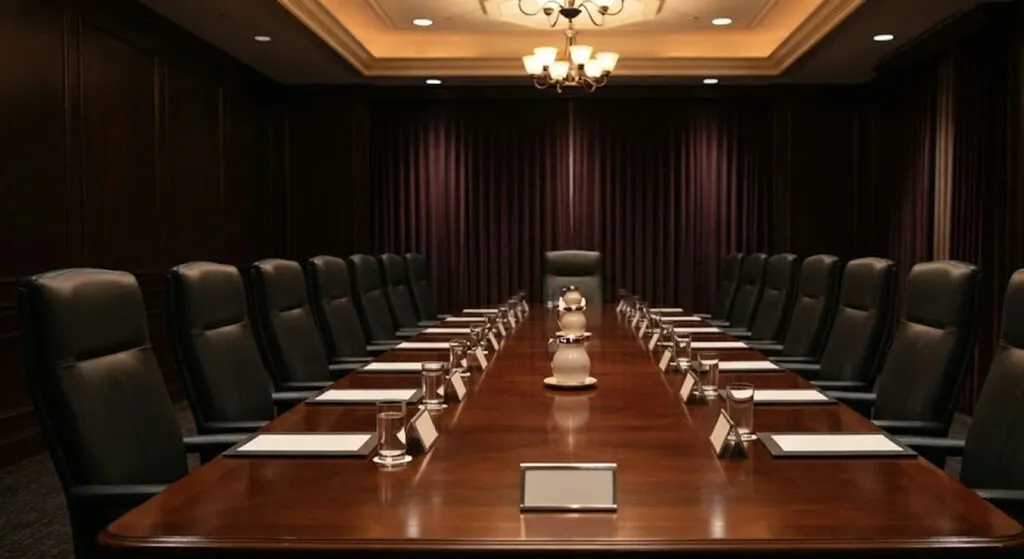
"If it is acceptable to the participants" - that is the entire offer. What gets negotiated is the format, not...
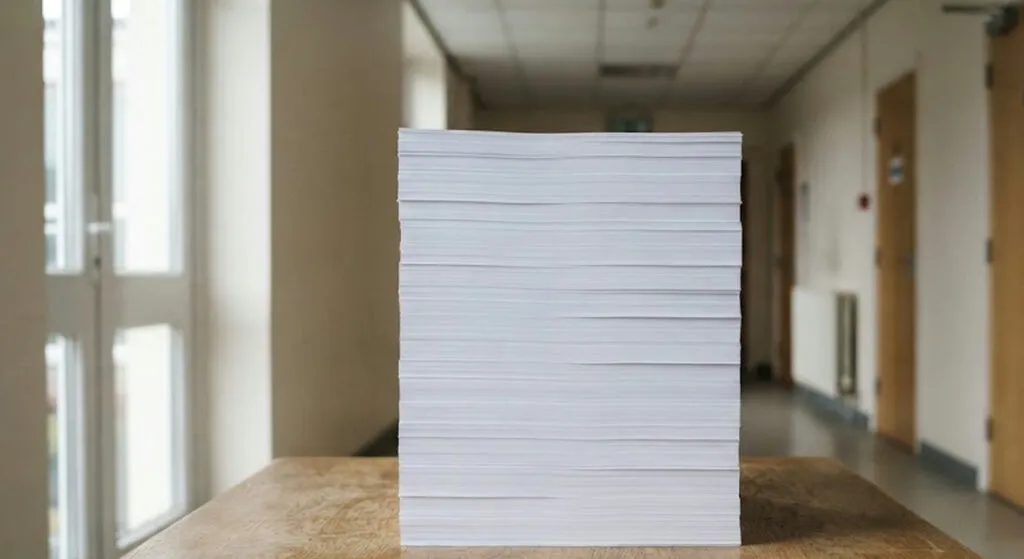
Thousands walked from the Rectorate to the electoral commission, and the signatures had to be queued for all weekend because...
Thousands of people under a digital clock and a banner asking for them to be found innocent. On Wednesday The...
The ruling list sailed through without a single problem, the student list was left waiting in line. Nobody banned anything...
The same firm that supplied ammunition to Ukraine for years is burning for the second time in a month. Seven...
This site uses cookies - is that okay? Learn more
Be the first to know when Metla launches something new
Leave your email and we will write when there is a new guide or something new on Metla.