
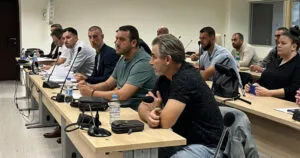
"That's not my job": the trial of the 13 Puls police officers restarted from scratch, and witnesses describe help being refused
22.09.2026


22.09.2026
22.09.2026
22.09.2026
22.09.2026
22.09.2026
22.09.2026
22.09.2026
21.09.2026

20.09.2026

22.09.2026

22.09.2026
21.09.2026
22.09.2026

22.09.2026
22.09.2026
22.09.2026

21.09.2026

20.09.2026
22.09.2026

22.09.2026
22.09.2026
22.09.2026
22.09.2026

22.09.2026

09.03.2026

27.02.2026

19.02.2026
22.09.2026
21.09.2026
21.09.2026

23.04.2026

23.04.2026

12.04.2026

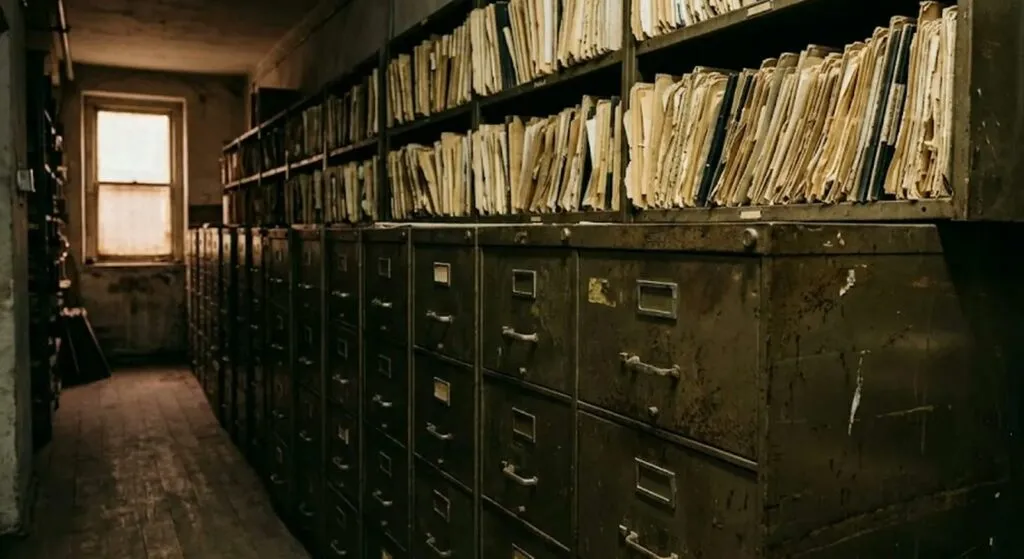
Switzerland is finally opening its secret files on Josef Mengele - the SS doctor-soldier at Auschwitz, known as the "Angel of Death". The documents had been sealed until 2071, with an official justification of "national security". After pressure from historians and a court case, they are now to be released. The question is - on what terms, and how heavily redacted?
Mengele was one of the most recognised war criminals of the 20th century. At Auschwitz he decided who went straight to the gas chambers and who would be "chosen" for his medical experiments - primarily children and twins. Around 1.1 million people died at Auschwitz, mostly Jews. He was never arrested and never stood trial - he died in Brazil in 1979 under a false name, identified only by DNA analysis in 1992.
The evidence of his presence in Switzerland was found by historians Regula Bochsler and Gerard Wettstein. Wettstein went to court, opened a crowdfunding campaign and raised 18,000 Swiss francs for legal costs. The evidence: Mengele went skiing in the Swiss Alps with his son in 1956. His wife rented a flat in Zurich in 1961, close to the international airport. Austrian intelligence at the time warned Swiss colleagues that Mengele was travelling on a fake identity. The police were watching the flat.
And yet - nothing. No one intervened. That's a scenario that raises a bigger question: did the Swiss authorities deliberately look the other way? Or was access to information that could have ended in a police operation blocked by the system itself? Historians worry that now, with the documents being released, they'll be "heavily redacted".
For Balkan readers, this isn't only history. It's a quiet reminder that even the most neutral institutions have their price, especially when money, identity and the protection of "friends of the regime" are involved. How many years did the Balkans deport war criminals into neutral countries - and how many years did those same institutions insist they "knew nothing about it"? Switzerland is opening up now - but the question is: will we see something, or will we see black ink?
The latest 10 news from this category
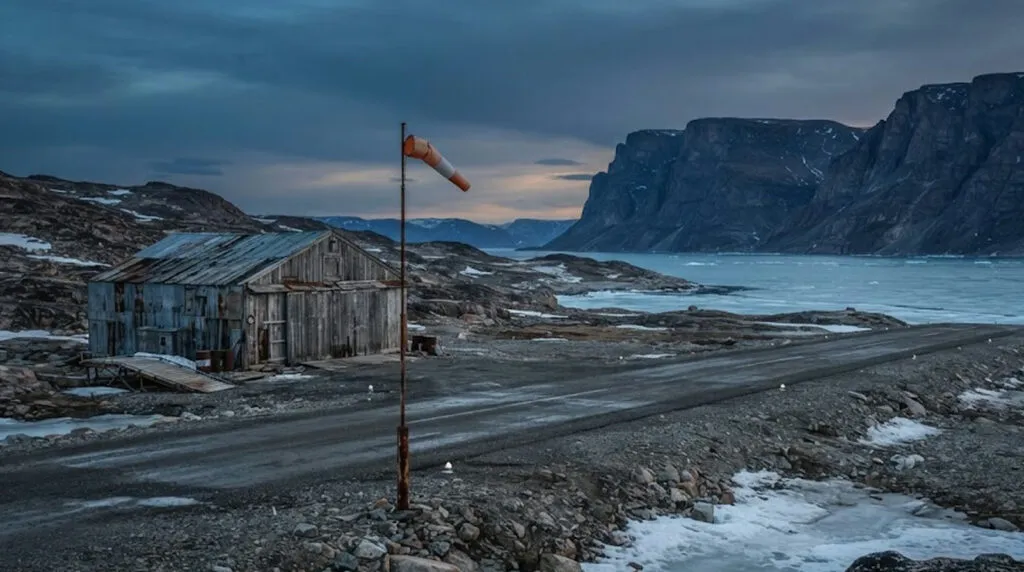
Washington, Copenhagen and Nuuk are signing off on a military presence on an island of 56,000 people - and the...
Phones in Krāslava rang by themselves, the fighters took off, and what exactly triggered the alert - nobody is saying....
In Mecklenburg the CDU finished on 4.9 percent and, for the first time in the history of the Federal Republic,...
Tisza took 16 years of power off Fidesz and won 141 of 199 parliamentary seats. Orbán now says Brussels is...
With 75 percent of protocols counted, the governing party leads in 208 of the 225 single-mandate districts. A parliament of...
He never sat on the throne, and the emirate is lowering its flags for ten days. Sometimes the surname says...
Three options on the table in Washington - military pressure, economic strangulation or a deal - and the president frames...
The party of Adenauer and Kohl slid to the electoral threshold in Mecklenburg, the AfD is already demanding the chancellor's...
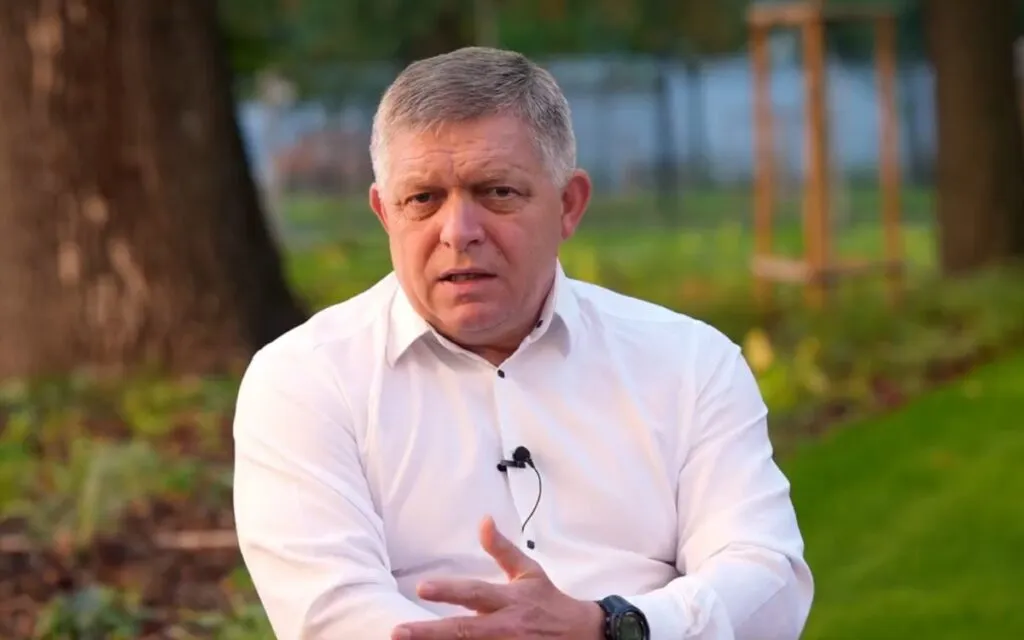
Two prime ministers in the same Union, the same month, completely opposite diagnoses of who is provoking whom. There is...
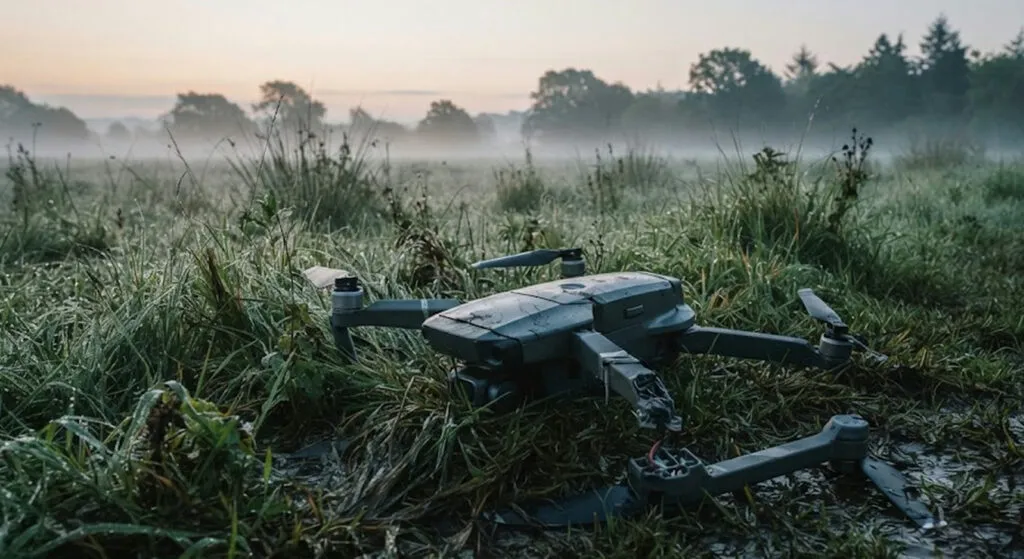
A broken aircraft in a field usually ends up in a police note. This one ended up with federal investigators,...
This site uses cookies - is that okay? Learn more
Be the first to know when Metla launches something new
Leave your email and we will write when there is a new guide or something new on Metla.
