
Шест години лажни категории во возачки дозволи од шалтер во МВР: обвинети шестмина, уште 21 лице под истрага
21.09.2026


21.09.2026

21.09.2026
21.09.2026

21.09.2026

21.09.2026
21.09.2026

21.09.2026

20.09.2026

20.09.2026

21.09.2026

21.09.2026

20.09.2026

21.09.2026

21.09.2026

21.09.2026

21.09.2026

20.09.2026

19.09.2026

21.09.2026

21.09.2026

21.09.2026
21.09.2026

21.09.2026

21.09.2026

09.03.2026

27.02.2026

19.02.2026

20.09.2026

19.09.2026

18.09.2026

23.04.2026

23.04.2026

12.04.2026

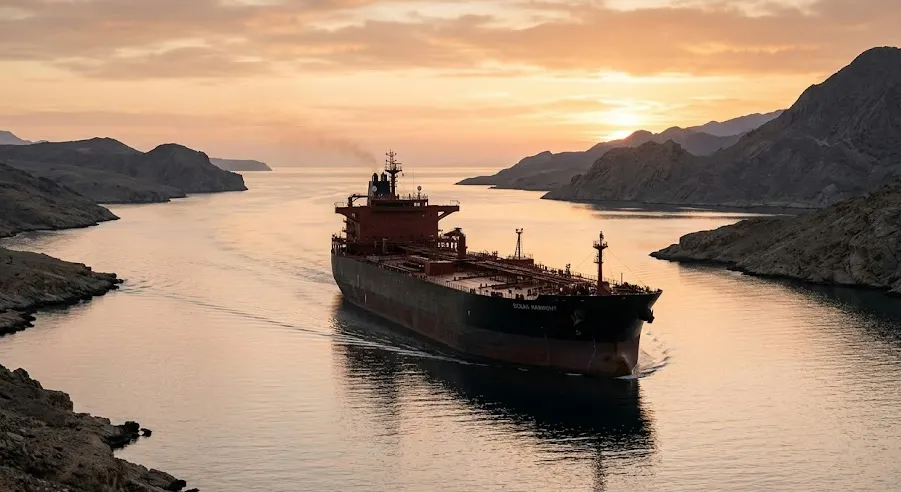
Donald Trump announced that the war with Iran is over. "Today we ended the war with Iran," the American president said, stressing that Iran's commitment not to develop nuclear weapons made up "95 percent" of the negotiations. It sounds like an end - but from Tehran came an entirely different tone right away.
According to the announcements, the preliminary agreement - reportedly called the "Islamabad Agreement", mediated by Qatar and Pakistan - contains several key points. A full opening of the Strait of Hormuz to maritime trade with no levies and a return to volume within 30 days, an urgent lifting of the American naval blockade of Iranian ports, a 60-day ceasefire that also covers the clashes in Lebanon, and an Iranian commitment to enrich uranium at home under the supervision of UN inspectors.
On paper, it's a comprehensive package. The problem is that Iran did not sign it. Spokesman Esmail Baghaei rejected it as "speculative" and "nothing finished yet", accusing Washington of making "excessive demands" and "new conditions", and saying Tehran will not back down from its "red lines".
Here lies the difference between an announcement and an agreement. Trump wants a signature, Iran wants its frozen assets now, and Washington offers them in instalments - conditional on obedience. When one side celebrates an ending and the other says nothing is finished, the truth usually sits somewhere in the middle, in the fine print no one reads at a press conference.
Still, something has moved. The open conflict began at the end of February with American-Israeli strikes, after which Iran blocked the strait and disrupted a fifth of the world's oil supply. The price of oil fell by 4.4 percent right after Trump's statement - which shows that the markets, unlike the politicians, don't wait for a signature to react. For a region that has survived enough "finished" wars, scepticism isn't cynicism - it's experience.
The latest 10 news from this category

Три опции на масата во Вашингтон - воен притисок, економско давење или договор - а претседателот ја опишува дилемата како...
Партијата на Аденауер и Кол се лизна до изборниот праг во Мекленбург, АфД веќе бара оставка од канцеларот, а Мерц...
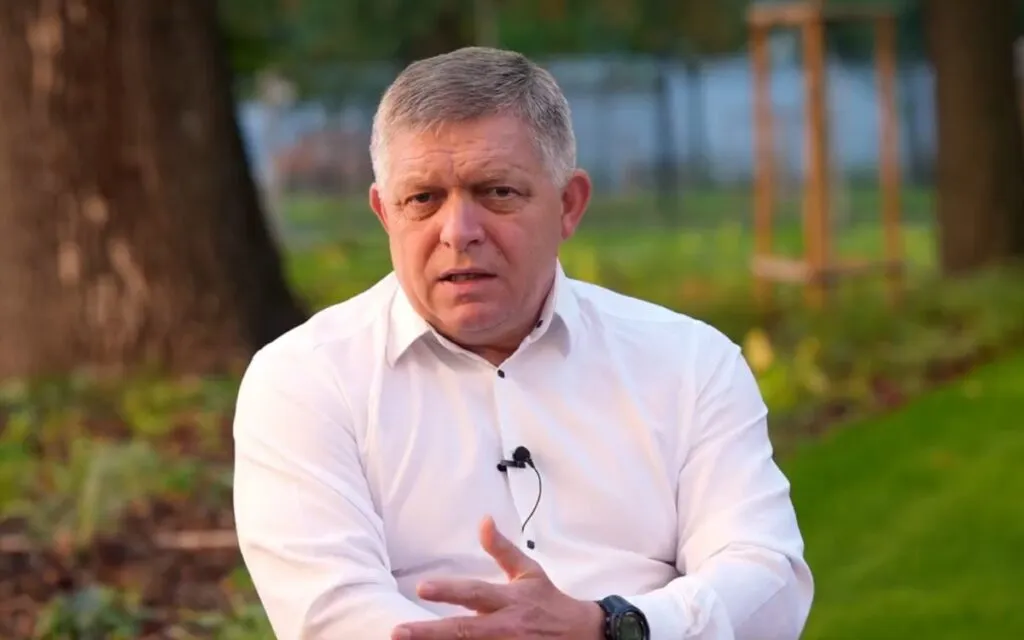
Two prime ministers in the same Union, the same month, completely opposite diagnoses of who is provoking whom. There is...

A broken aircraft in a field usually ends up in a police note. This one ended up with federal investigators,...
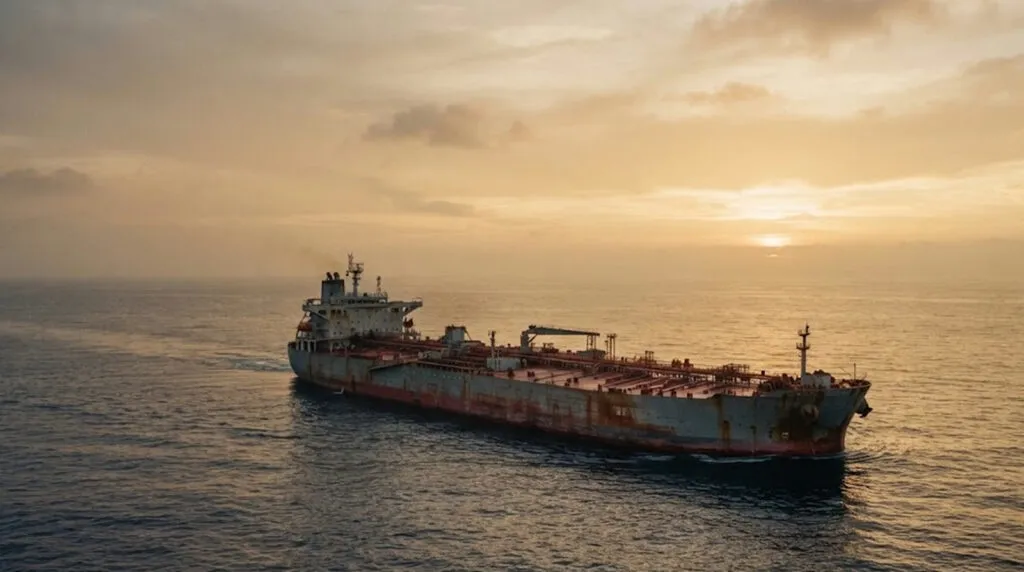
Beijing will easily find another supplier. The harder question is what Washington is actually testing: whether private Chinese companies will...
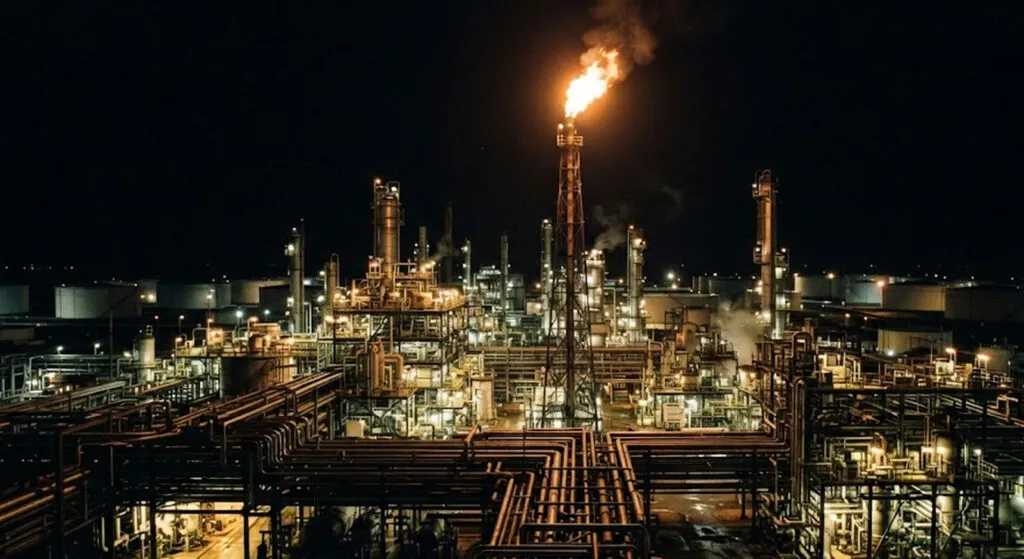
The law lets Washington hit the five biggest buyers of Russian oil with tariffs of up to 100 per cent....
Measures imposed over the war in Ukraine are now being offered as currency in an entirely different dispute. If the...

A smaller dose and more needles does not mean a safer vaccine, it means an ineffective one. Science has had...
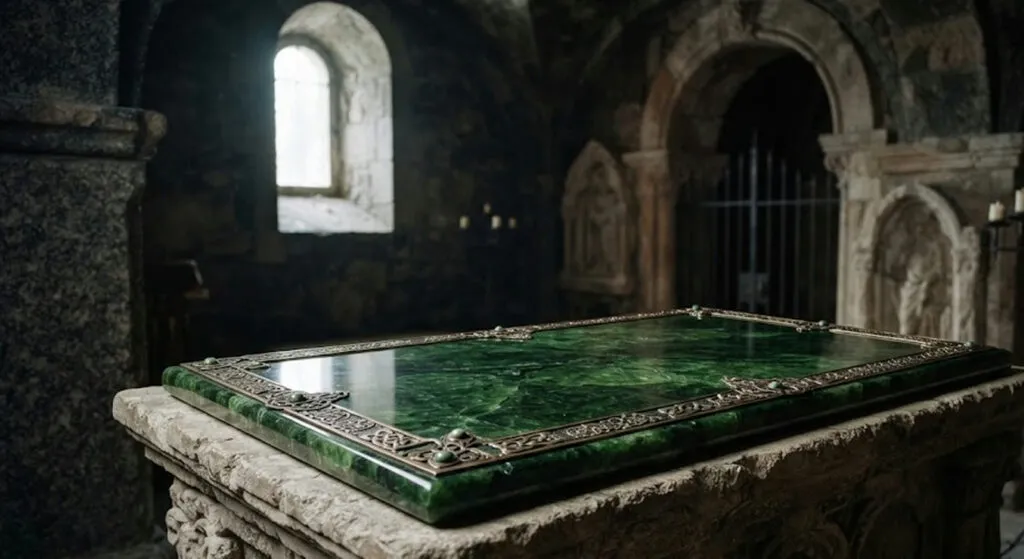
Harald designed the sarcophagus himself, and it is shaped like a ship. The stone is 400 million years old and...

Von der Leyen proposed a status that does not exist in European law, the Canadians distanced themselves, and Washington announced...
This site uses cookies - is that okay? Learn more
Be the first to know when Metla launches something new
Leave your email and we will write when there is a new guide or something new on Metla.