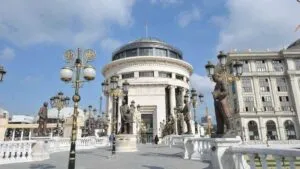
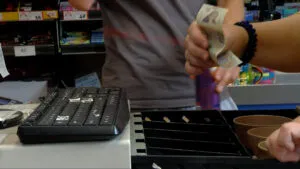
Шест години лажни категории во возачки дозволи од шалтер во МВР: обвинети шестмина, уште 21 лице под истрага
21.09.2026


21.09.2026

21.09.2026
21.09.2026
21.09.2026
21.09.2026
21.09.2026

21.09.2026

20.09.2026
20.09.2026

21.09.2026

21.09.2026

20.09.2026
21.09.2026

21.09.2026

21.09.2026

21.09.2026

20.09.2026
19.09.2026

21.09.2026

21.09.2026
21.09.2026
21.09.2026
21.09.2026

21.09.2026

09.03.2026

27.02.2026

19.02.2026
20.09.2026

19.09.2026
18.09.2026

23.04.2026

23.04.2026

12.04.2026

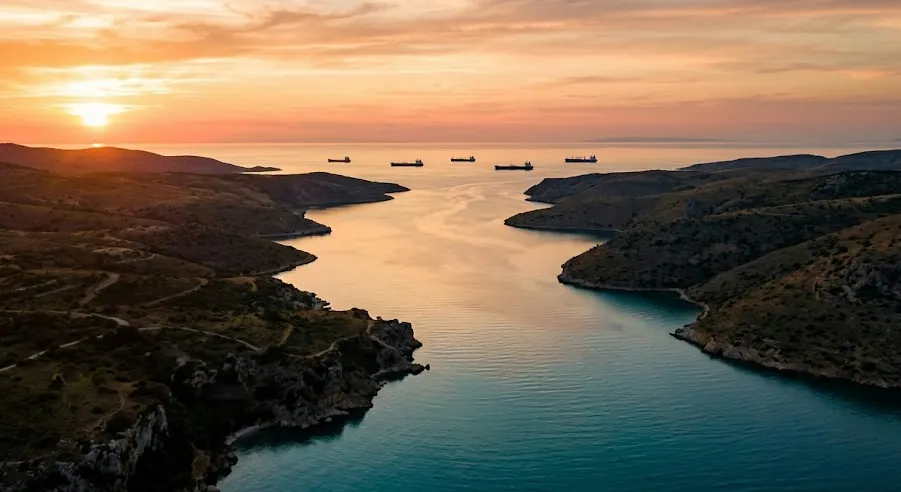
The naval blockade of the Strait of Hormuz, one of the world economy's most critical points, is being lifted. That is what US President Donald Trump announced, adding that the White House is preparing a final decision on a deal with Iran. The meeting will be held in the so-called Situation Room with his closest advisors, and the agenda covers a full assessment of a potential accord that could reopen one of the most critical maritime crossings on the planet.
The condition from the American side is clear: Iran has to accept that it will never possess nuclear weapons, and the Strait of Hormuz must immediately be opened for free passage of ships in both directions. No tolls, no holds, no delays. Trump claims that US forces have already detonated a large number of mines in the strait, and Iran has to remove or destroy the rest.
"Ships stuck in the strait because of our incredible and unprecedented blockade, which is now being lifted, can start the process of going home," Trump said. For global markets, this is huge news. About a third of the world's oil exports and a significant share of liquefied natural gas passes through Hormuz. Every blockade, mine or military incident in that zone immediately dictates fuel prices - and inflation.
The most delicate part of the message concerns Iran's enriched uranium, which Trump called "nuclear dust". He says the material is lying deep under the ground, under mountains collapsed by the American air strike with B-2 bombers 11 months ago. According to his plan, the US will extract it in coordination with Iran and the International Atomic Energy Agency, and destroy it. Only America, Trump claims, together with China, has the mechanical capability to do that - a signal that without Washington, no resolution is possible.
Iran, as expected, is not playing along with the American script. Tehran is demanding concrete steps, not just public statements. The Iranian side is insisting that the deal include real relief from pressure, the opening of maritime trade and clear guarantees that military escalation will not return the moment the ships start moving. That is a logical demand - Iranian trust in American commitments is, to put it mildly, thin.
The two sides are playing different games. Trump wants to present the deal as an American victory: Iran without nuclear weapons, Hormuz open, mines removed, uranium destroyed. Iran does not want to look like it is capitulating under American naval pressure. It is a simulated diplomatic game in which every small gesture has four layers of translation.
For Balkan countries - which depend geopolitically on stable oil and gas prices - this deal, if it goes through, will be one of the most important pieces of news of the year. If it doesn't, Hormuz remains the flashpoint from which a crisis can explode in hours. The Situation Room meeting is the critical moment now.
The latest 10 news from this category
Три опции на масата во Вашингтон - воен притисок, економско давење или договор - а претседателот ја опишува дилемата како...
Партијата на Аденауер и Кол се лизна до изборниот праг во Мекленбург, АфД веќе бара оставка од канцеларот, а Мерц...
Two prime ministers in the same Union, the same month, completely opposite diagnoses of who is provoking whom. There is...
A broken aircraft in a field usually ends up in a police note. This one ended up with federal investigators,...
Beijing will easily find another supplier. The harder question is what Washington is actually testing: whether private Chinese companies will...
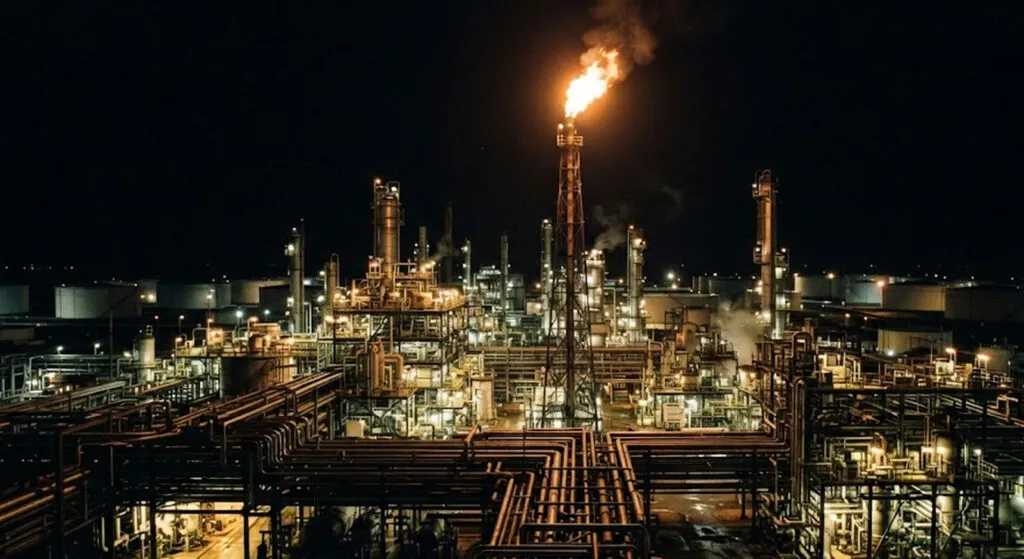
The law lets Washington hit the five biggest buyers of Russian oil with tariffs of up to 100 per cent....
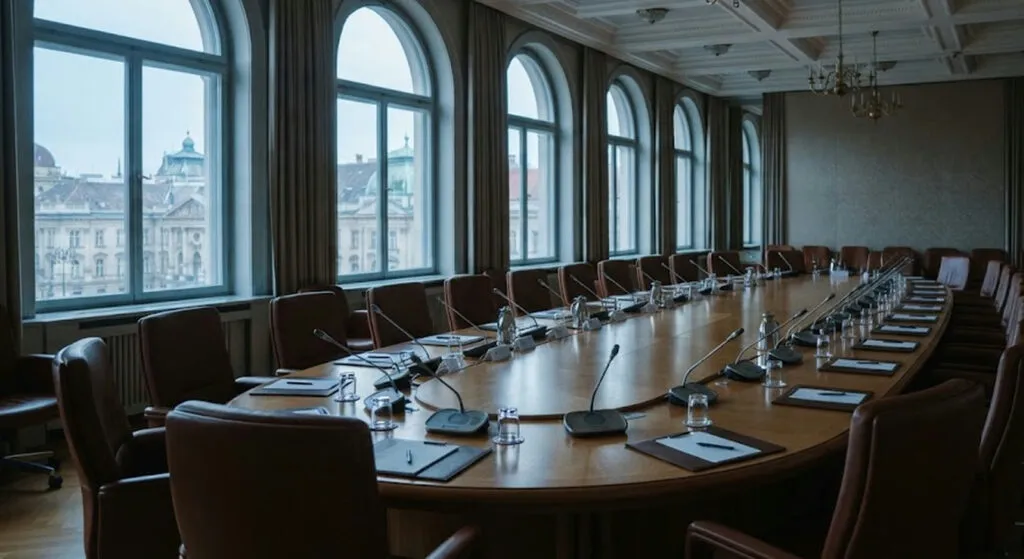
Measures imposed over the war in Ukraine are now being offered as currency in an entirely different dispute. If the...

A smaller dose and more needles does not mean a safer vaccine, it means an ineffective one. Science has had...
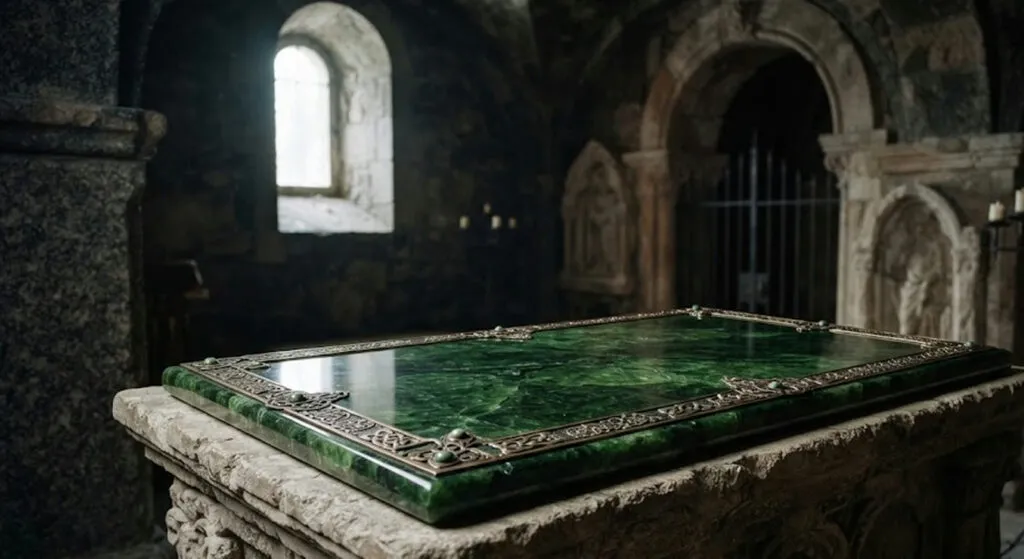
Harald designed the sarcophagus himself, and it is shaped like a ship. The stone is 400 million years old and...
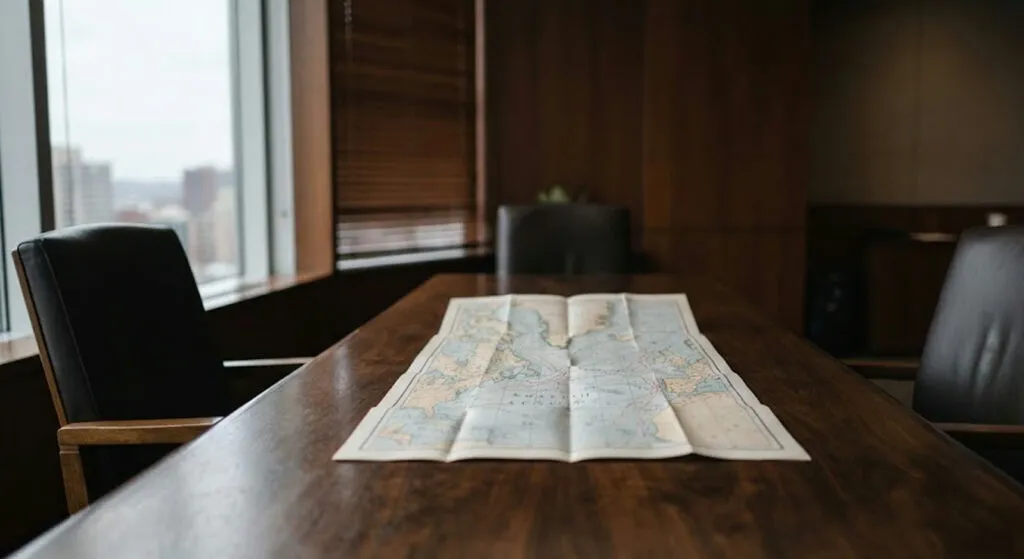
Von der Leyen proposed a status that does not exist in European law, the Canadians distanced themselves, and Washington announced...
This site uses cookies - is that okay? Learn more
Be the first to know when Metla launches something new
Leave your email and we will write when there is a new guide or something new on Metla.