


Studeničani: 35-year-old dies after being electrocuted while washing his car with a pressure washer
18.09.2026


18.09.2026

18.09.2026

18.09.2026

18.09.2026

18.09.2026
18.09.2026

18.09.2026

17.09.2026

16.09.2026

18.09.2026

18.09.2026

17.09.2026

18.09.2026

18.09.2026

18.09.2026

18.09.2026

17.09.2026

16.09.2026

18.09.2026

18.09.2026

18.09.2026

18.09.2026

17.09.2026

17.09.2026

09.03.2026

27.02.2026

19.02.2026

18.09.2026

17.09.2026

16.09.2026

23.04.2026

23.04.2026

12.04.2026

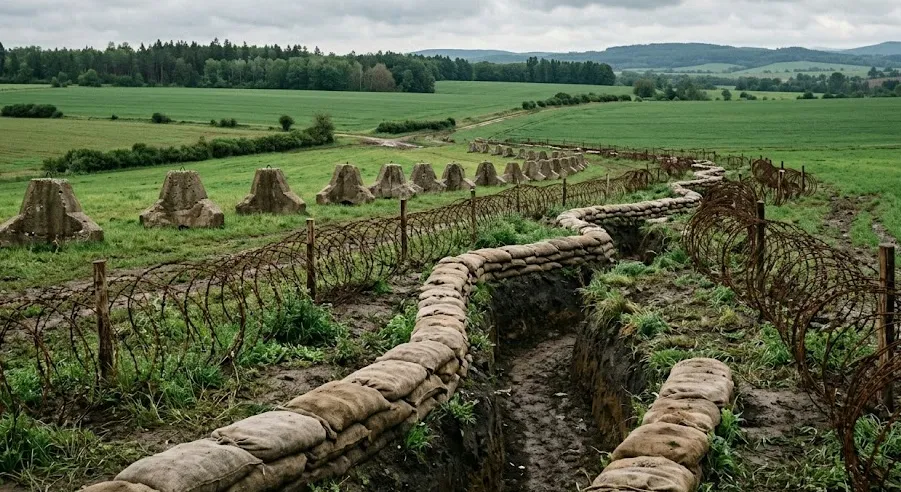
With Russian attacks escalating and warnings about a possible new invasion from the north growing louder, Ukraine is shifting to a ring defense around Kyiv - a strategy that no longer sees the front as a line, but as a perimeter. This was confirmed by Oleksiy Danchyn, head of Kyiv's military administration, who announced a plan that goes well beyond classical fortifications.
A ring defense is a different discipline from what the public associates with trenches and anti-tank obstacles. Forces are deployed across the entire perimeter of the defended zone - not along a single axis of attack - with firing positions covering multiple directions at once. Reserves stay centrally placed, ready for rapid movement to breakthrough points. It's a complex operational system that demands discipline, coordination and significant human resources.
The overall framework isn't just about fortifications. According to Danchyn, the plans also cover mobilization of local communities, territorial defense forces, and protection of critical infrastructure - bridges, thermal power plants, command centers, logistics hubs, energy capacities. The northern direction, toward Belarus, gets particular attention, as it's considered the most vulnerable corridor toward the capital.
Setting up this kind of defense signals one thing: Ukraine's military leadership no longer believes the war will end soon. When an entire capital is preparing for a possible siege at a level that means several months of defense, this isn't the scenario of people expecting a ceasefire soon. And it isn't the scenario of people expecting significant additional support from the West - at least not in a short-term frame.
For a Balkan perspective, the lesson is simple. When a nation has to build fortifications around its own capital - it means all guarantees, agreements and alliances have limits. It also means the building campaigns from the 1990s that Balkan countries remember are now being repeated, but in a digital and satellite era. The history of the Balkans shows what happens when a country isn't ready to defend itself. Ukraine doesn't want to be another such story.
The latest 10 news from this category

The bill passed with 262 votes, and the key to it has been handed to a man who has already...
Ukraine adapts in weeks, the Alliance in decades. Europe is paying for Patriot systems from 1991 and is only now...
Missiles and drones on the Ukrainian capital, damaged water mains and residential buildings. The same night, Ukrainian drones set the...

Trump hopes the war is ending and is preparing to gather the Gulf leaders. Oil prices have jumped, and the...
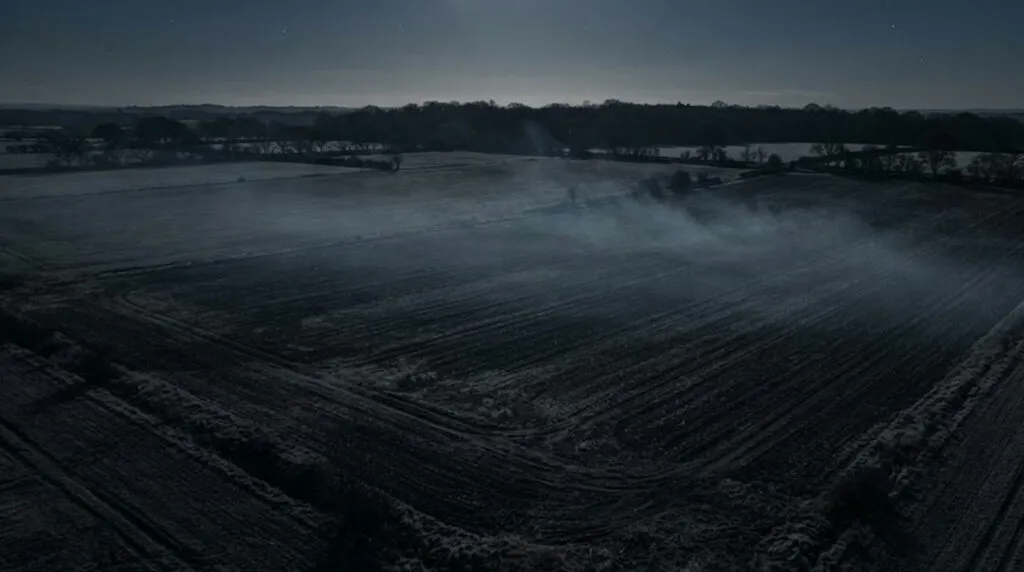
Ukraine says when, where and which unit did it. Russia's defence ministry has not a single sentence about the circumstances....

Norway's prime minister talks about a plane a drone "almost hit". Moldova, the only party holding the figures, reported that...
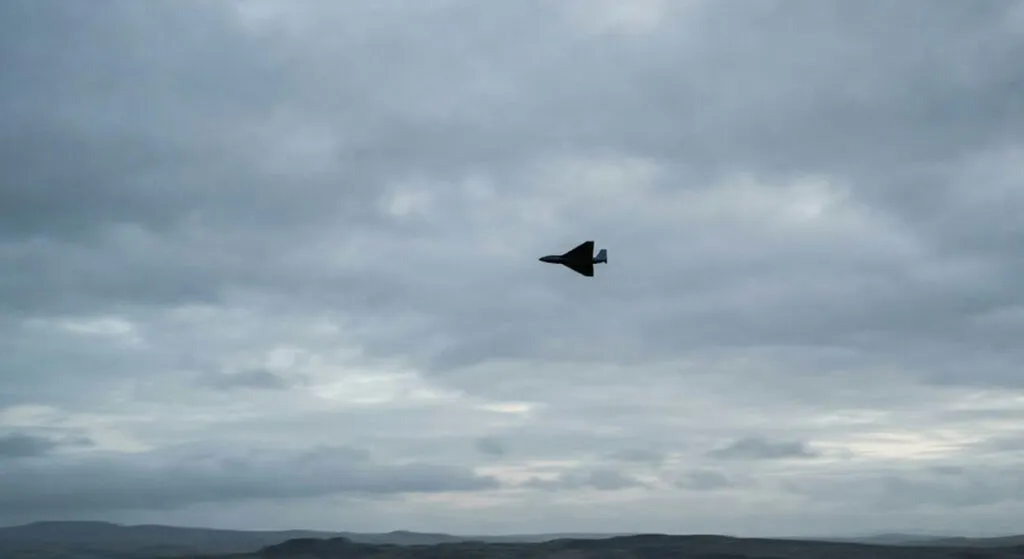
Ukraine was shooting down nine out of ten of the old drones. Then Russia changed the drone - and in...
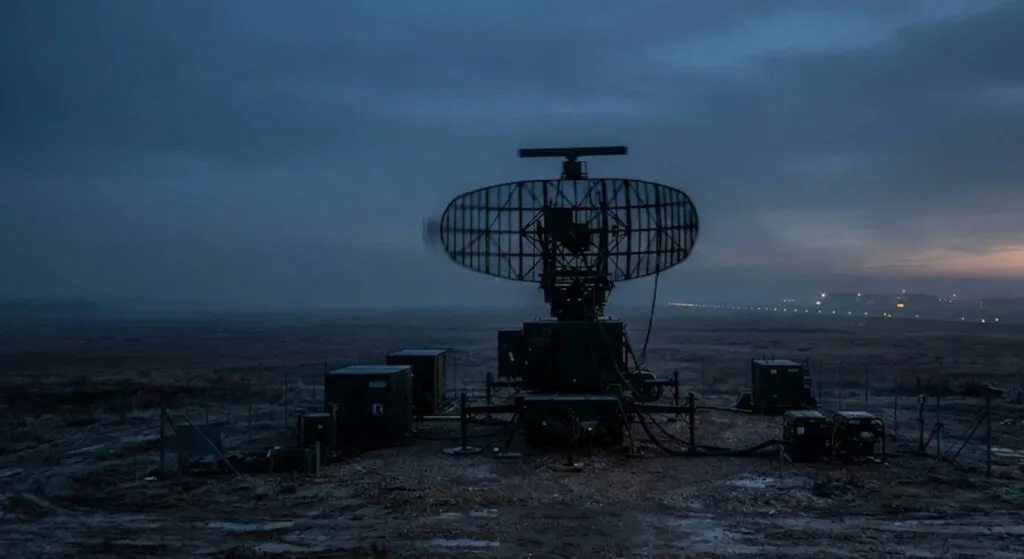
It was shot down a few minutes after midnight, and all of Vilnius got a warning on their phones. Two...
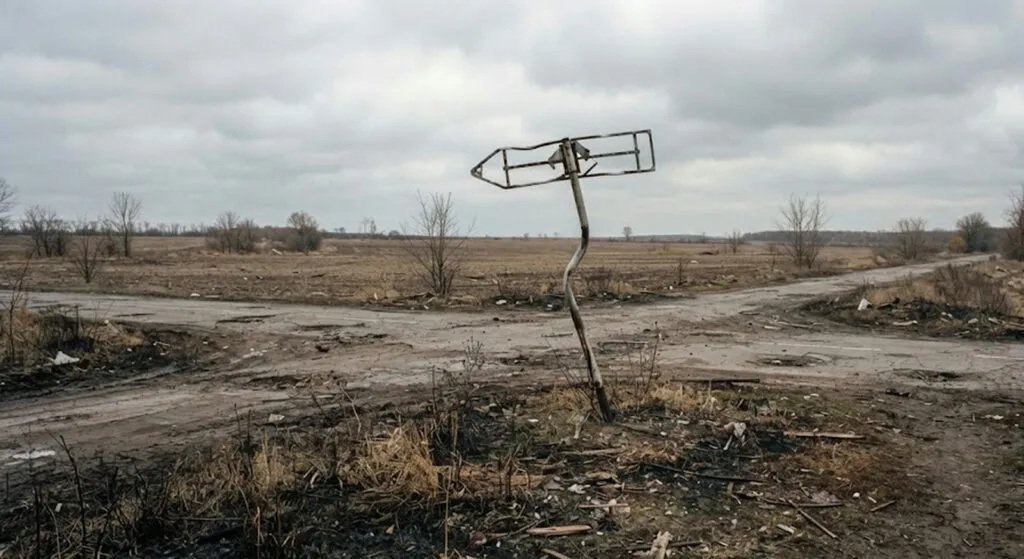
The entire story comes from one side, and the headlines turn it into a turning point. The difference between the...
Between 2,300 and 3,000 North Korean soldiers have died in Kursk so far. Kim Jong Un has found an export...
This site uses cookies - is that okay? Learn more
Be the first to know when Metla launches something new
Leave your email and we will write when there is a new guide or something new on Metla.
