


Studeničani: 35-year-old dies after being electrocuted while washing his car with a pressure washer
18.09.2026


18.09.2026

18.09.2026

18.09.2026
18.09.2026

18.09.2026
18.09.2026

18.09.2026

17.09.2026

16.09.2026

18.09.2026

18.09.2026

17.09.2026

18.09.2026

18.09.2026

18.09.2026

18.09.2026

17.09.2026

16.09.2026

18.09.2026

18.09.2026

18.09.2026

18.09.2026

17.09.2026

17.09.2026

09.03.2026

27.02.2026

19.02.2026

18.09.2026

17.09.2026

16.09.2026

23.04.2026

23.04.2026

12.04.2026

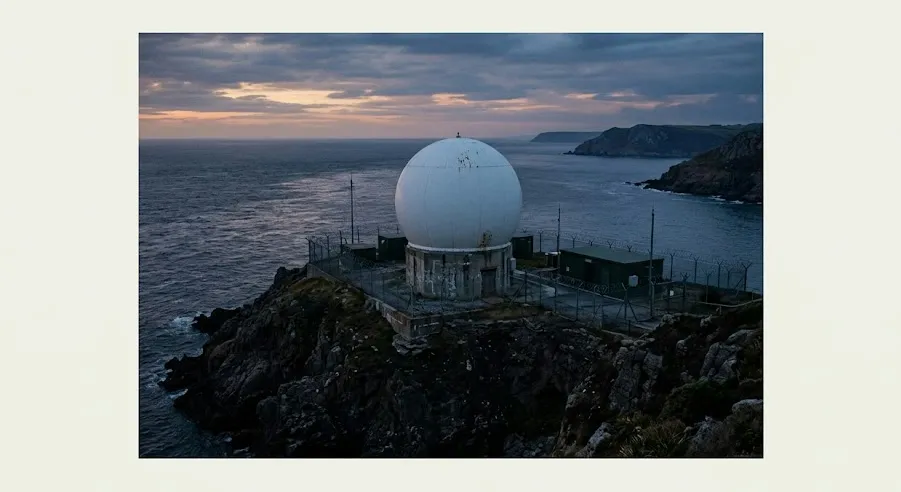
The Middle East is on the edge again. The US Central Command confirmed it carried out fresh airstrikes on Iranian targets - radar systems and command centres for drone operations in Goruk and on the island of Qeshm, in the strategically vital Strait of Hormuz. The Pentagon described the attack as "self-defence" - a word that in war usually means the other side will call it aggression.
The response didn't take long. Iran's Revolutionary Guard hit back with ballistic missiles against the Ali Al-Salem air base in Kuwait, claiming the American strikes had been launched from there. The Guard warned that any further aggression would get a "completely different" response - a phrasing we hear before every next escalation.
And then an unexpected angry voice enters the story - Kuwait. The foreign ministry condemned the Iranian attack as "contemptible" and a "dangerous escalation," claiming it has "every right to do whatever it takes to protect its territory." Sirens wailed over the country as air defences intercepted missiles and drones. The small Gulf state suddenly found itself in the line of fire in a war that isn't its own.
This is the third major breach of the ceasefire since the April agreement, and the wider war that began on February 28th has already taken thousands of lives, mainly in Iran and Lebanon. Every new "ceasefire" in this region lasts exactly until the next strike - and then everyone acts surprised, as if it wasn't expected.
For the Balkans, which know all too well what it means when the big powers fight wars on someone else's territory, the Kuwait case is instructive. When superpowers settle their scores, the bases, the strait and the skies over small countries become a battlefield - and nobody asks them whether they want to take part. Who pays the price when two strong powers trade fire over your head?
The latest 10 news from this category
The bill passed with 262 votes, and the key to it has been handed to a man who has already...
Ukraine adapts in weeks, the Alliance in decades. Europe is paying for Patriot systems from 1991 and is only now...
Missiles and drones on the Ukrainian capital, damaged water mains and residential buildings. The same night, Ukrainian drones set the...
Trump hopes the war is ending and is preparing to gather the Gulf leaders. Oil prices have jumped, and the...
Ukraine says when, where and which unit did it. Russia's defence ministry has not a single sentence about the circumstances....
Norway's prime minister talks about a plane a drone "almost hit". Moldova, the only party holding the figures, reported that...
Ukraine was shooting down nine out of ten of the old drones. Then Russia changed the drone - and in...
It was shot down a few minutes after midnight, and all of Vilnius got a warning on their phones. Two...
The entire story comes from one side, and the headlines turn it into a turning point. The difference between the...
Between 2,300 and 3,000 North Korean soldiers have died in Kursk so far. Kim Jong Un has found an export...
This site uses cookies - is that okay? Learn more
Be the first to know when Metla launches something new
Leave your email and we will write when there is a new guide or something new on Metla.
