
Sixteen Arrests in Twenty-Four Hours, All for Drugs: The Police Are Working - But Where Are All These People Coming From?
20.09.2026


20.09.2026

20.09.2026
20.09.2026
20.09.2026

20.09.2026

20.09.2026
20.09.2026
19.09.2026

18.09.2026

20.09.2026

20.09.2026

19.09.2026

20.09.2026

20.09.2026

20.09.2026

20.09.2026

19.09.2026

18.09.2026

20.09.2026

20.09.2026

20.09.2026

20.09.2026

20.09.2026

20.09.2026

09.03.2026

27.02.2026

19.02.2026

19.09.2026

18.09.2026
17.09.2026

23.04.2026

23.04.2026

12.04.2026

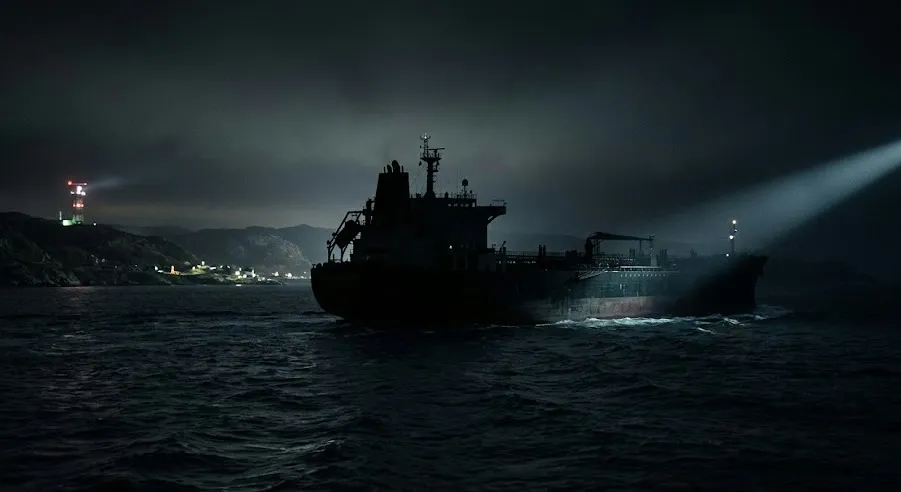
The US struck Iranian radar positions near the Strait of Hormuz after shooting down four Iranian drones aimed at shipping in the region. The targets were surveillance installations near Goruk and the island of Qeshm - precisely the eyes Iran uses to watch one of the most sensitive chokepoints of world trade. And when one side targets radars, the other targets everything it can see.
Iran's Revolutionary Guard hit back by launching projectiles at US bases in the region and opening fire on four tankers that tried to pass without permission. Kuwait's air defense intercepted projectiles and drones of unknown origin, and in Bahrain sirens wailed and residents were ordered to seek shelter. This is no longer an incident - it's a war spilling across borders.
Iran claims ballistic missiles hit US bases, but the US says it intercepted six projectiles, with the seventh never reaching its target. The numbers, as always in war, depend on who's reporting them. Trump, for his part, measures in his own way: "They still have a certain number of missiles and drones. I'd say, maybe 21 to 22 percent of their missiles are left." Twenty-two percent precision - as if someone counted them exactly.
Behind the military drama sits a number that concerns us all: about a fifth of the world's oil passes through Hormuz, and that flow is now disrupted. When a chokepoint this narrow tightens, the price of fuel jumps worldwide - including at the petrol pumps in the Balkans. A war thousands of kilometers away, and the bill reaches our pockets too.
Indirect talks between Washington and Tehran are stuck for now. Iran demands the lifting of sanctions, the release of 24 billion dollars in frozen assets and access to its ports. The US demands that Iran stop first. And while each side waits for the other to give in first, the tankers burn, the sirens wail, and the world learns again that peace in the Middle East is the most fragile commodity on the market.
The latest 10 news from this category
Black smoke over the main airport, sirens in the middle of the night and a state that will not say...
Western agencies say no decision has been taken - only preparations that would let it all happen overnight. In the...
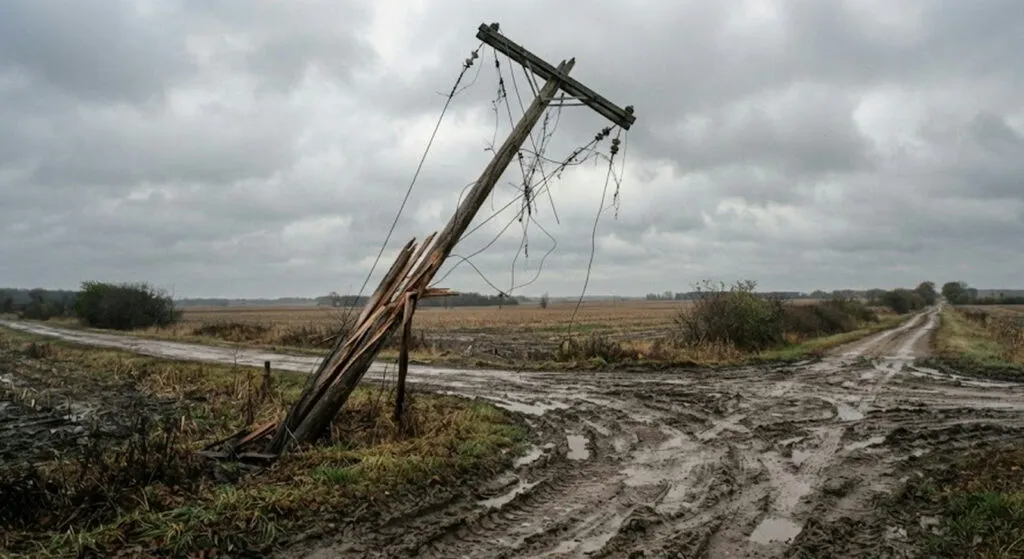
A Russian commander promised to cut the Kharkiv encirclement "like a pie". Every number comes from the camp running the...
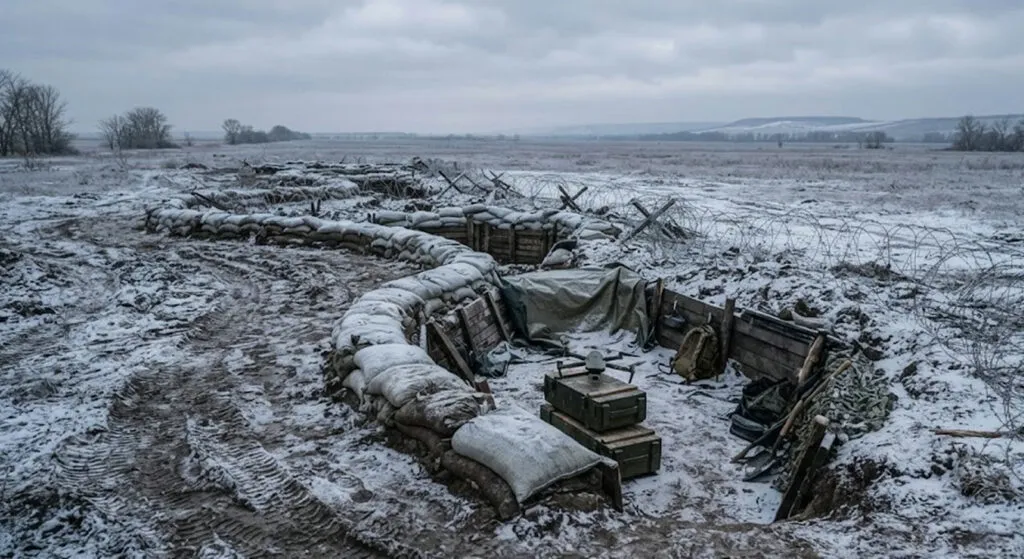
Around 8,500 North Korean soldiers are still in Russia, among them 1,000 engineers and 400 drone operators. Estimates point to...
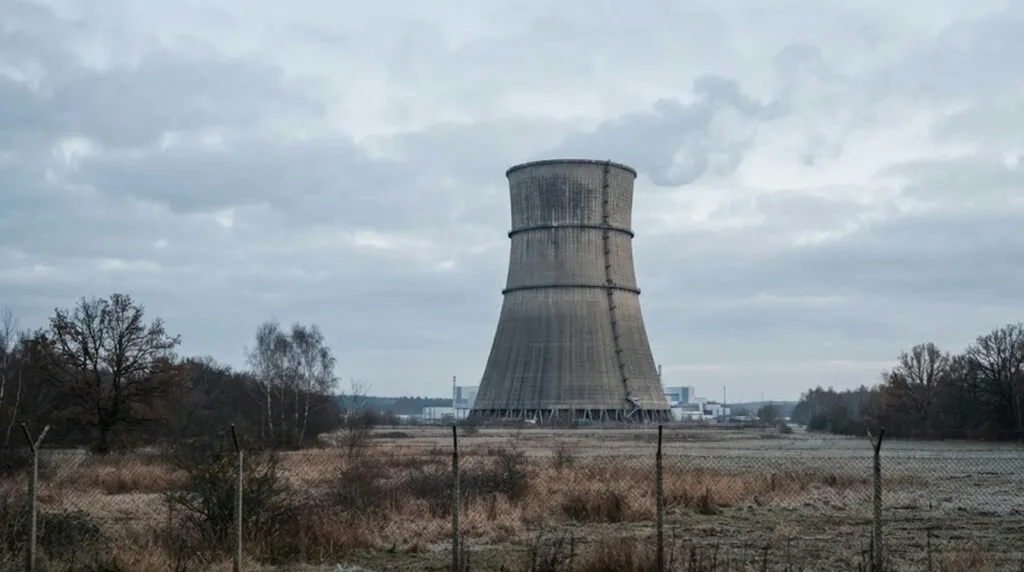
The unit was running, the operating regime did not change, there was no fire. The difference between a news item...
The bill passed with 262 votes, and the key to it has been handed to a man who has already...
Ukraine adapts in weeks, the Alliance in decades. Europe is paying for Patriot systems from 1991 and is only now...
Missiles and drones on the Ukrainian capital, damaged water mains and residential buildings. The same night, Ukrainian drones set the...
Trump hopes the war is ending and is preparing to gather the Gulf leaders. Oil prices have jumped, and the...
Ukraine says when, where and which unit did it. Russia's defence ministry has not a single sentence about the circumstances....
This site uses cookies - is that okay? Learn more
Be the first to know when Metla launches something new
Leave your email and we will write when there is a new guide or something new on Metla.