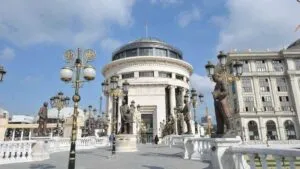
Шест години лажни категории во возачки дозволи од шалтер во МВР: обвинети шестмина, уште 21 лице под истрага
21.09.2026


21.09.2026

21.09.2026
21.09.2026

21.09.2026

21.09.2026
21.09.2026

21.09.2026

20.09.2026

20.09.2026

21.09.2026

21.09.2026

20.09.2026

21.09.2026

21.09.2026

21.09.2026

21.09.2026

20.09.2026

19.09.2026

21.09.2026

21.09.2026

21.09.2026
21.09.2026

21.09.2026

21.09.2026

09.03.2026

27.02.2026

19.02.2026

20.09.2026

19.09.2026

18.09.2026

23.04.2026

23.04.2026

12.04.2026

For seven years Xi Jinping didn't cross the border into North Korea. This time he did - and that is a message stronger than any official document. The Chinese president went to Pyongyang to meet Kim Jong Un, at a moment when Beijing is clearly trying to win back influence that has slipped out of its hands.
The reason for Beijing's concern is clear: over the recent period North Korea has significantly deepened its military and economic ties with Moscow. While China was looking the other way, Russia and Pyongyang grew close to a point that, in Beijing, began to look like losing an old ally. And China doesn't want to be third in its own backyard.
The timing is all the more interesting. The meeting comes after Kim announced an "exponential expansion" of his country's nuclear arsenal - a phrase every Western capital reads with unease. When an isolated state speaks openly of more nuclear weapons, with both Moscow and Beijing standing behind it, the map of power in Asia doesn't look the way it did yesterday.
The Balkan reader recognises scenes like this from history. When great powers compete over who'll have more influence over a smaller but strategically important player, that smaller player suddenly gains the power to choose - and to raise the price. North Korea today is doing exactly that: sitting between Moscow and Beijing and watching who'll offer more.
What exactly Xi and Kim said behind closed doors hasn't been released - and probably won't be. But the very image of the Chinese leader stepping onto North Korean soil again after seven years says enough. In geopolitics, who travels where and when often matters more than what they actually say.
The latest 10 news from this category

Три опции на масата во Вашингтон - воен притисок, економско давење или договор - а претседателот ја опишува дилемата како...
Партијата на Аденауер и Кол се лизна до изборниот праг во Мекленбург, АфД веќе бара оставка од канцеларот, а Мерц...
Two prime ministers in the same Union, the same month, completely opposite diagnoses of who is provoking whom. There is...
A broken aircraft in a field usually ends up in a police note. This one ended up with federal investigators,...

Beijing will easily find another supplier. The harder question is what Washington is actually testing: whether private Chinese companies will...
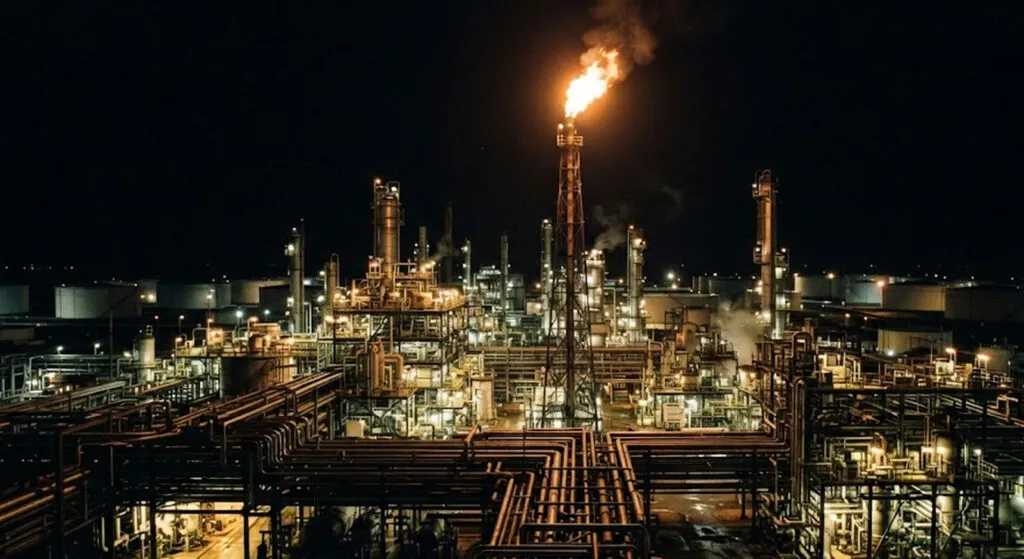
The law lets Washington hit the five biggest buyers of Russian oil with tariffs of up to 100 per cent....
Measures imposed over the war in Ukraine are now being offered as currency in an entirely different dispute. If the...

A smaller dose and more needles does not mean a safer vaccine, it means an ineffective one. Science has had...
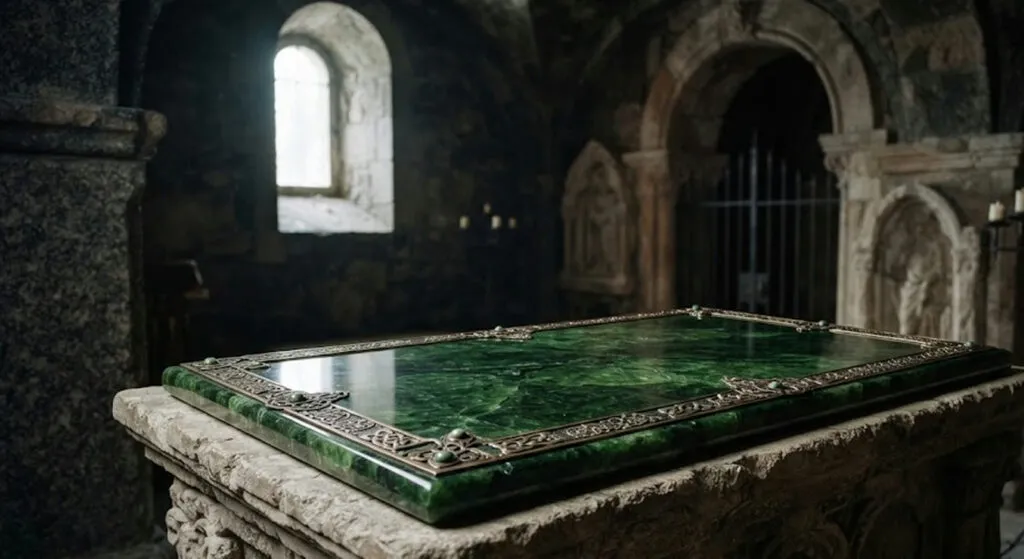
Harald designed the sarcophagus himself, and it is shaped like a ship. The stone is 400 million years old and...
Von der Leyen proposed a status that does not exist in European law, the Canadians distanced themselves, and Washington announced...
This site uses cookies - is that okay? Learn more
Be the first to know when Metla launches something new
Leave your email and we will write when there is a new guide or something new on Metla.