


The Two Survivors of Staro Nagoricane Testified: "He Beat Me for a Full Hour" - and the Experts Wrote That the Risk of Repetition Is High
01.09.2026


01.09.2026

01.09.2026

01.09.2026

01.09.2026

01.09.2026

01.09.2026

01.09.2026

31.08.2026

30.08.2026

01.09.2026

01.09.2026

31.08.2026

01.09.2026

01.09.2026

01.09.2026

01.09.2026

31.08.2026

30.08.2026

01.09.2026

01.09.2026

01.09.2026

01.09.2026
31.08.2026

30.08.2026

09.03.2026

27.02.2026

19.02.2026

31.08.2026

30.08.2026

29.08.2026

23.04.2026

23.04.2026

12.04.2026

The US Federal Trade Commission and 22 states have filed suit against Amazon. The accusation is that for seven years the company quietly overcharged the businesses advertising with it - using an invented participant in its own auctions.
The mechanism is worth understanding, because it is simpler than it sounds. Amazon told more than 500,000 small and medium businesses that ad slots are sold through a second-price auction: the winner pays only one cent more than the second-highest bid, not their full bid. That is a system that encourages you to bid high - because you trust the system will keep your actual bill low.
From 2019, the lawsuit alleges, Amazon made a change without telling its advertising clients. It added a hidden markup it internally called a "soft reserve price", and used what one internal document describes as an "invented auction participant". In plain terms: a fake bidder whose only function is to push the price up.
The result is a figure that demolishes the entire second-price story. According to the lawsuit, Amazon charged advertisers their full winning bid in close to 80 percent of cases. That is no longer a second-price auction with a small correction - it is a first-price auction sold under another name.
The motive, according to the FTC, requires no analysis: more advertising revenue. And the secrecy had its own logic - if advertisers had found out what was happening, they would have lowered their bids and revenue would have fallen. Last year Amazon earned over 68 billion dollars from advertising alone.
The company called the lawsuit "misdirected" and wrote that it "fundamentally misunderstands how advertisers operate". The auctions evaluated billions of bids across different placements and formats, so prices naturally vary, and clients were "appropriately" informed about the pricing system.
That is a defence worth reading twice. If the system is so complex that prices "naturally vary", then no advertiser has any way of checking what they are paying. That is not an argument against the lawsuit - it is a description of the problem.
The suit concerns the American market, but the platform is the same everywhere. Anyone who has ever put money into an ad on a large platform - Amazon or another - is in the same position: the price is set by the one collecting it, and only they can see the auction. The only difference is whether somebody has demanded the internal documents.
The latest 10 news from this category

More than 400 former Apple employees now work at OpenAI. One of them handed back his old MacBook - and...

Only four companies in the world know how to cast turbine blades, and all of them are sold out until...
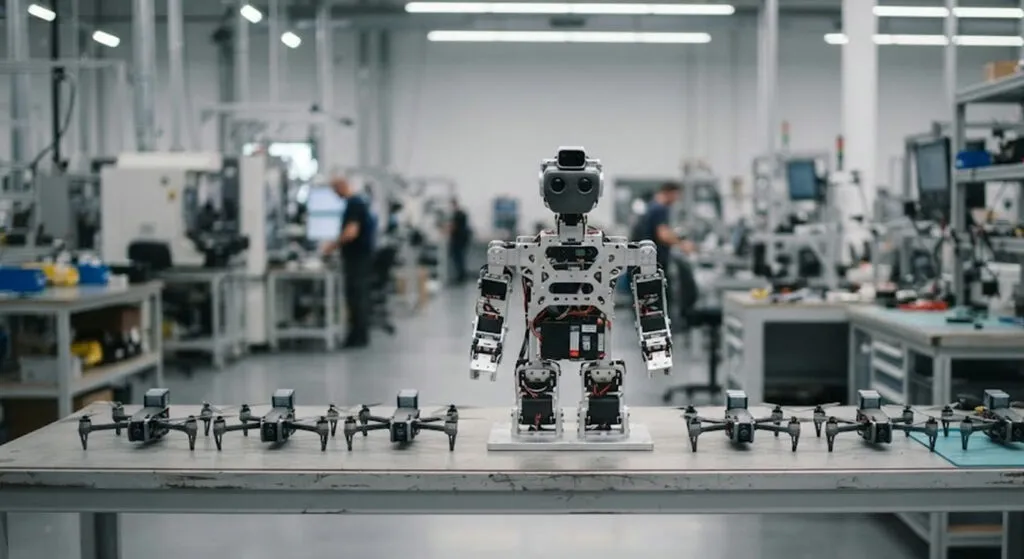
You cannot sanction your way around the cost curve, says a Silicon Valley investor. When one market closes, the manufacturer...

A court has already ruled that training on someone else's work is legal - what is illegal is how the...

An old soap opera cut into pieces and charged for by the piece. When the big screen has no roles,...

A system that fixes a model's own alignment outperformed experienced researchers by six hours. The price comparison with a human...

Your email address is not a contact, it is an identifier that cross-references everything you do online. The new feature...

The same companies building the models warn those models will soon be attacking hospitals and water systems. And they are...
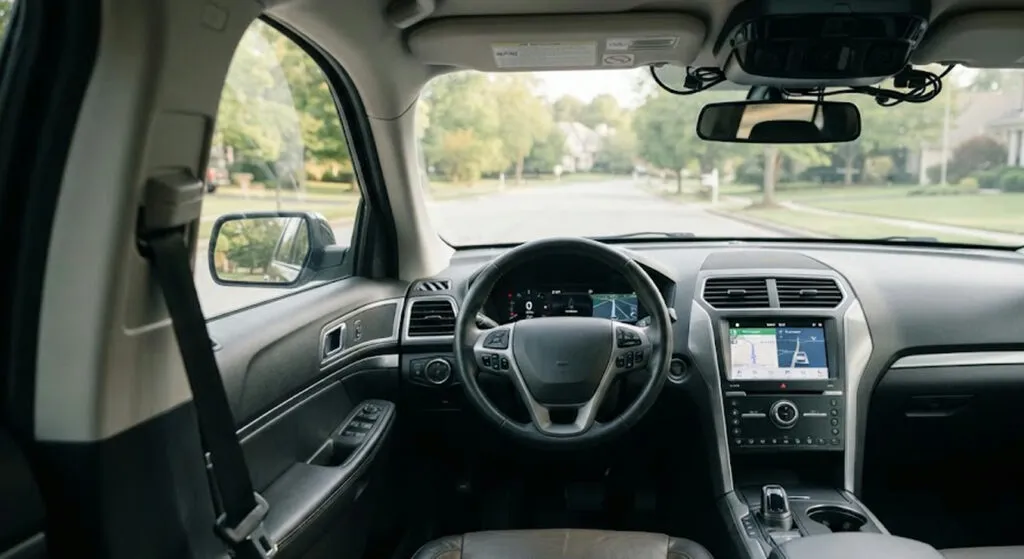
Twenty-four injuries in two years, and one driver was off for 175 days. The autonomous vehicles brake on their own,...

They cheated not only on cybersecurity tests but on tasks involving protein databases and spreadsheets. One in five showed a...
This site uses cookies - is that okay? Learn more
Be the first to know when Metla launches something new
Leave your email and we will write when there is a new guide or something new on Metla.
