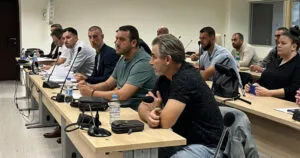
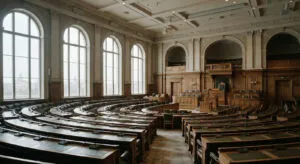
"That's not my job": the trial of the 13 Puls police officers restarted from scratch, and witnesses describe help being refused
22.09.2026


22.09.2026
22.09.2026
22.09.2026
22.09.2026
22.09.2026
22.09.2026
22.09.2026
21.09.2026

20.09.2026

22.09.2026

22.09.2026

21.09.2026
22.09.2026

22.09.2026
22.09.2026
22.09.2026

21.09.2026

20.09.2026

22.09.2026

22.09.2026

22.09.2026
22.09.2026

22.09.2026

22.09.2026

09.03.2026

27.02.2026

19.02.2026
22.09.2026

21.09.2026

21.09.2026

23.04.2026

23.04.2026

12.04.2026

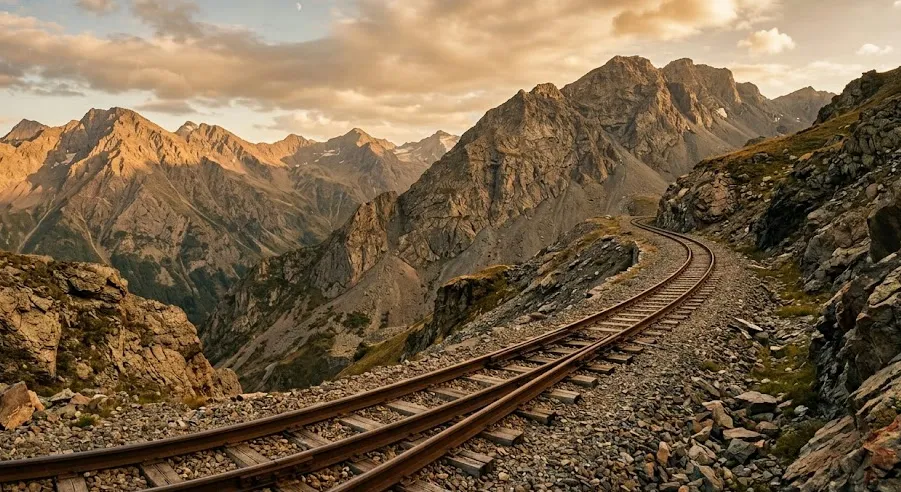
Armenian Prime Minister Nikol Pashinyan has officially announced the opening of a new transport corridor linking Armenia with the European Union via Georgia and Turkey - bypassing the traditional routes through Russian territory. It's a quiet but historic decision that could mark the end of decades of Armenian-Russian alliance.
The initiative includes preparations for direct rail links with Turkey, Azerbaijan and Iran. For Armenia, this is the first serious attempt in its modern history to diversify regional transport links and reduce its economic dependence on Moscow.
Why now? The context is clear. Relations between Moscow and Yerevan are deteriorating - especially because of Russia's inactivity during the Nagorno-Karabakh crisis. For Armenia, that was proof that Russian security guarantees did not mean what they seemed to mean. When you need an ally in a moment of crisis and they don't show up, you think again about the deal.
The new corridor positions Armenia as a transit hub in the South Caucasus - a geographically powerful position if it develops correctly. At the same time, it gives Armenian businesses access to European markets, which is strategically important to make up for the losses from Russian sanctions that hit them too.
For the Balkans, this is a message. Countries that historically leaned on Russia as a security or economic anchor are now rethinking whether that's a sensible strategy. Armenia is making a decision many in our region only have on paper, but have never carried out with this kind of openness. The question is whether Brussels will respond with concrete investment, or leave Yerevan to build the new road on its own.
The latest 10 news from this category
Washington, Copenhagen and Nuuk are signing off on a military presence on an island of 56,000 people - and the...
Phones in Krāslava rang by themselves, the fighters took off, and what exactly triggered the alert - nobody is saying....
In Mecklenburg the CDU finished on 4.9 percent and, for the first time in the history of the Federal Republic,...
Tisza took 16 years of power off Fidesz and won 141 of 199 parliamentary seats. Orbán now says Brussels is...
With 75 percent of protocols counted, the governing party leads in 208 of the 225 single-mandate districts. A parliament of...
He never sat on the throne, and the emirate is lowering its flags for ten days. Sometimes the surname says...

Three options on the table in Washington - military pressure, economic strangulation or a deal - and the president frames...

The party of Adenauer and Kohl slid to the electoral threshold in Mecklenburg, the AfD is already demanding the chancellor's...
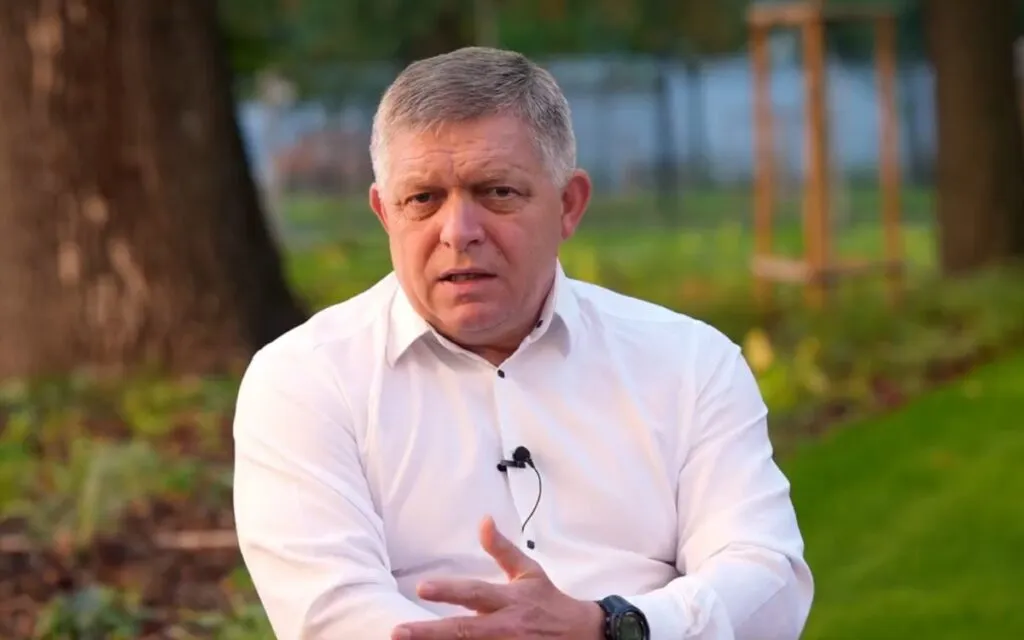
Two prime ministers in the same Union, the same month, completely opposite diagnoses of who is provoking whom. There is...
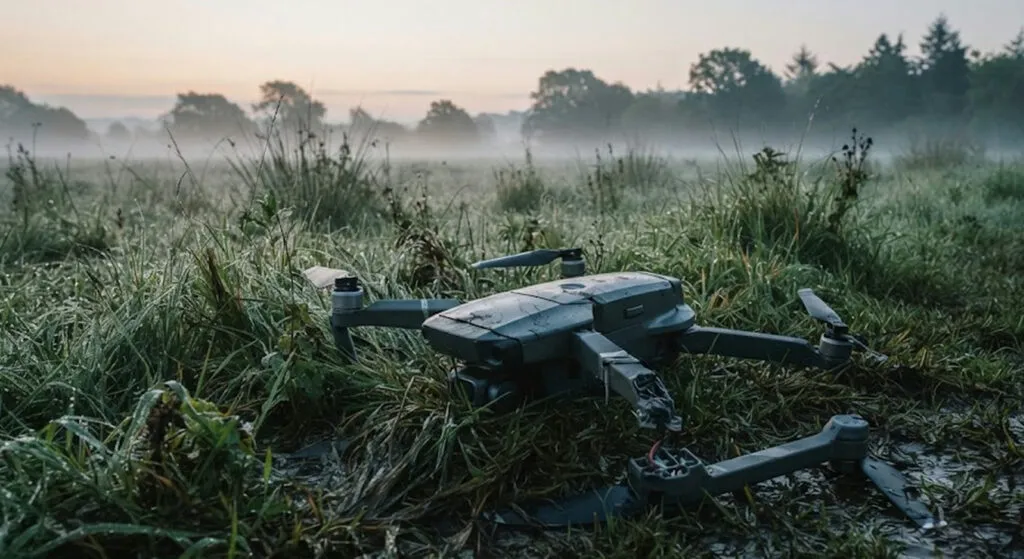
A broken aircraft in a field usually ends up in a police note. This one ended up with federal investigators,...
This site uses cookies - is that okay? Learn more
Be the first to know when Metla launches something new
Leave your email and we will write when there is a new guide or something new on Metla.