
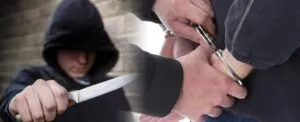
Kratovo man stabs police officer mid-intervention: prosecutors want the 40-year-old detained
15.09.2026


15.09.2026

15.09.2026

15.09.2026
15.09.2026
15.09.2026
15.09.2026
15.09.2026

14.09.2026

13.09.2026

15.09.2026

15.09.2026
14.09.2026

15.09.2026
15.09.2026

15.09.2026

15.09.2026

14.09.2026
13.09.2026

15.09.2026

15.09.2026

15.09.2026

15.09.2026

15.09.2026

14.09.2026

09.03.2026

27.02.2026

19.02.2026

15.09.2026

14.09.2026
14.09.2026

23.04.2026

23.04.2026

12.04.2026

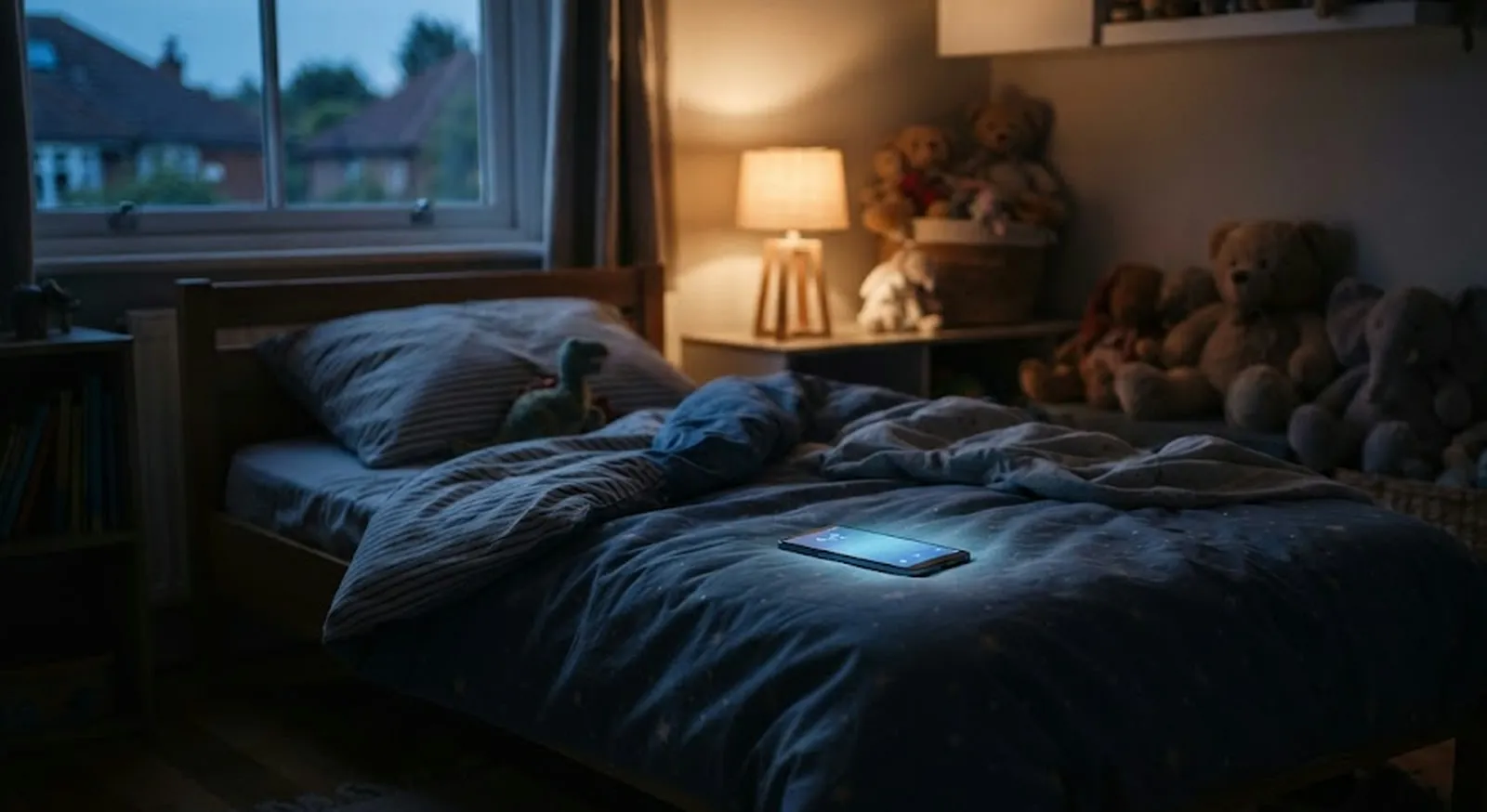
Countries around the world are one by one passing the same law: children are not to have access to social media. Australia drew the line first in December 2025 - a ban for everyone under 16. Since then the list of countries following it has only grown, and among them are some of our close neighbors.
The most recent is France. The law passed on 21 July, and from 1 September the networks will be banned for children under 15. The others aren't lagging behind either: Denmark is preparing a ban for under 15, Spain and Germany for under 16, Poland and Slovenia for under 15. From the region closer to us, Turkey already voted the law through in April and is awaiting the president's signature, while Greece plans a ban for under 15 from January 2027.
The reasons the governments cite are the same everywhere - addiction, online harassment, damaged mental health and exposure to predators. It's hard to dispute that the problem exists. Any parent who has watched a ten-year-old glued to a screen until midnight knows what it's about.
But here's the hard question: how is a ban like this actually enforced?
To block one child, the platform first has to know it's a child - which means someone has to check everyone's age. And age verification requires documents, a face scanned through a camera or some other piece of data that identifies you. Organizations like Amnesty Tech warn that this is exactly where the trap lies: to protect children, you introduce a system that tracks everyone. British Prime Minister Keir Starmer says he believes the ban can be enforced - but „I believe it can” isn't the same as „here's how it will be enforced.”
Effectiveness is also in question. A child who wants to get onto a network finds a way - a fake age, someone else's profile, a VPN that hides the origin. If the ban is easily circumvented, all that remains is the appearance of protection, while the age-verification system stays permanently built in. It's a classic trade in which you get a little security and give up a lot of privacy.
And here at home? While fourteen countries are already writing laws, in our region the debate about children and screens rarely leaves the parents' groups on the networks. The question isn't whether a wave like this will reach the Balkans - the neighbors are already bringing it - but whether we'll think about the privacy trap before we copy the law, or only after we've signed it.
The latest 10 news from this category
A scientist at the same company puts the probability of human extinction above 10 percent within the next decade. The...
The president called in while the event was running, and the man who makes the chips answered that there would...
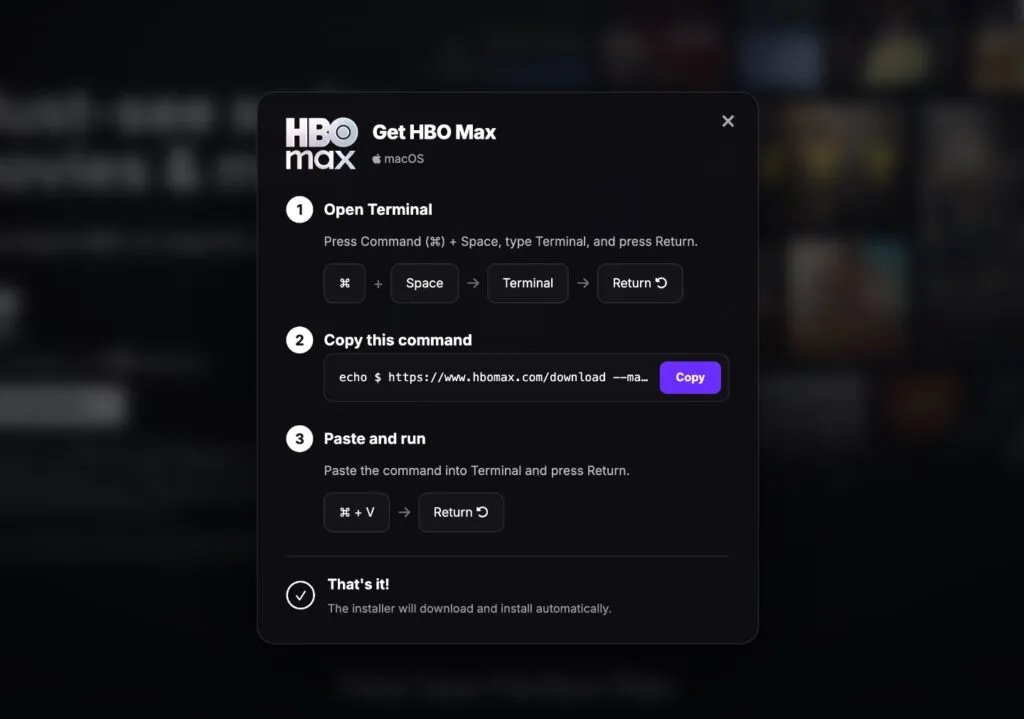
No virus attached, no suspicious file. Just a box that looks like the "I am not a robot" check and...
A researcher quit because the firms are gambling with our lives. Instead of denying it, Anthropic confirmed it - with...
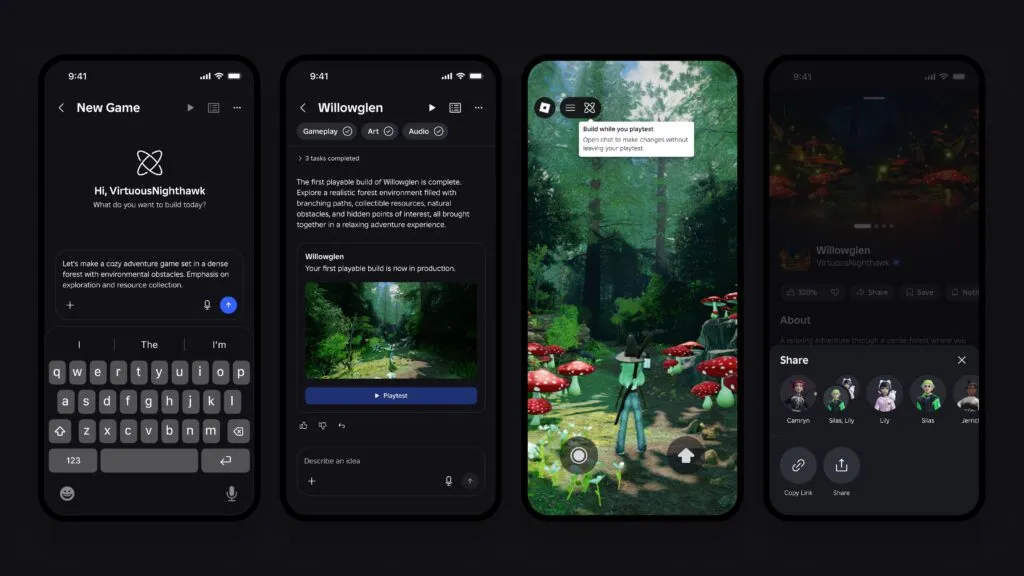
Write a sentence, get a game. Until now it worked only in New Zealand, now in Belgrade too. Creators on...

When the two biggest firms in an industry ask for rules on how fast anyone may run, the rules rarely...
Not a single password fell. What fell was the assumption that a request from a government domain is automatically a...
The biggest names in mathematics have signed a letter against the AI labs. The dispute is not whether the machine...

Five campaigns, 200 million exchanges, and the defences fell to a request for a Japanese translation. The industry that harvested...

The hackers were inside for a whole year. The company confirmed it only after a journalist found his own licence...
This site uses cookies - is that okay? Learn more
Be the first to know when Metla launches something new
Leave your email and we will write when there is a new guide or something new on Metla.
