A New Criminal Complaint Against Jakimovski: A Building Permit Based on a Plan Struck Down Back in 2018
16.09.2026


16.09.2026
16.09.2026

16.09.2026
16.09.2026
16.09.2026

16.09.2026
16.09.2026
15.09.2026

14.09.2026

16.09.2026

16.09.2026

15.09.2026

16.09.2026

15.09.2026

14.09.2026

16.09.2026

16.09.2026

16.09.2026

16.09.2026

15.09.2026
15.09.2026

09.03.2026

27.02.2026

19.02.2026
16.09.2026

15.09.2026

14.09.2026

23.04.2026

23.04.2026

12.04.2026

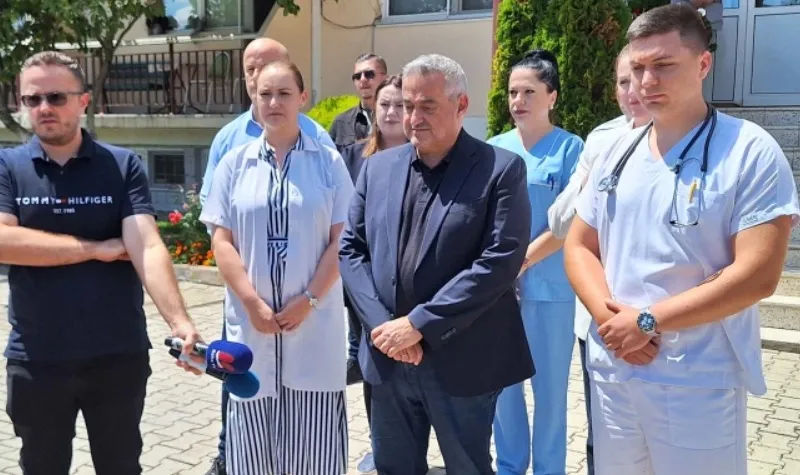
For a whole week the people of Gostivar have been queuing for bottled water in July heat. Around 4,000 people fell ill after the town's mains water turned out to be the source of an epidemic. Health Minister Sasho Klekovski says the crisis is entering a calmer phase - but the water still cannot be used even for washing.
The numbers are better, daily life is not
According to the latest data, the number of newly reported cases has halved - 80 in a single day, twice fewer than before. The hospital in Gostivar had 65 patients with stomach complaints yesterday, all of whom received symptomatic treatment. The total number of people who have fallen ill since the crisis began is around 4,000.
The reason the restriction stays in place is specific and small: insufficient residual chlorine. "To determine whether the water is safe to a certain degree, you look at how much chlorine there is in it, and that has not yet reached the desired level," Klekovski said. Only when regular tests at several measuring points confirm satisfactory chlorination will permission be issued for non-drinking use. Not for drinking - for washing.
In the meantime, everyday life in the town has come apart. People in their seventies queue for an hour and a half at the bottled water distribution points. Restaurants and cafés are operating on bought-in water and say their turnover has halved. "Our turnover and the flow of customers have both halved," some of them said. Summer is the season they earn their whole year in.
Leshok: not a secret, just never fixed
While Gostivar waits for chlorine, a second front opened. SDSM leader Venko Filipche, citing a whistleblower report, said the water at the Specialised Hospital for Lung Diseases and Tuberculosis in Leshok was contaminated - a sample from a hospital tap showed 51 coliform bacteria per 100 millilitres, with a finding that it does not meet drinking water quality. He called for urgent extraordinary inspection of every water supply system in the country.
The minister's answer is what makes this story heavier than a single epidemic. Klekovski said this is no secret at all, since the situation has lasted more than a decade, and that the hospital has been using water dispensers for drinking water for years, while local residents are aware of the situation. He added that between 2017 and 2022 the Health Ministry could see the regular test results reaching it, and that the water was unsafe back then too.
So for ten years, a hospital treating people with lung disease has had water unfit to drink, it was documented in routine test results, and the solution was - dispensers. The phrase "it is no secret" is accurate. That is exactly why it is the worst possible answer. The problem was not hidden. It was accepted.
The problem is bigger than one town
Klekovski went further: across much of rural Macedonia the local water systems are bacteriologically unsafe, especially in the summer months, because of low water levels and higher consumption when people living abroad come home. He recalled that under the law, monitoring and responsibility for drinking water quality fall directly to the local public utility companies set up by the municipalities.
And that is the whole point. Responsibility has been distributed so precisely that it belongs to nobody. Municipalities set up the companies, the companies run the water networks, local communities run the rural systems, the Ministry looks at the test results. Everyone holds a piece, nobody holds the whole thing. And so, ten years on, Leshok is waiting for two samples to find out whether the tap water will finally be drinkable.
In Gostivar the expectation was water safe for washing by the end of this week, and drinking water by the end of the next. For now the ban stays in force, in the middle of summer.
The latest 10 news from this category

The World Bank dropped out over misalignment with EU requirements. Construction will take two and a half years, and the...
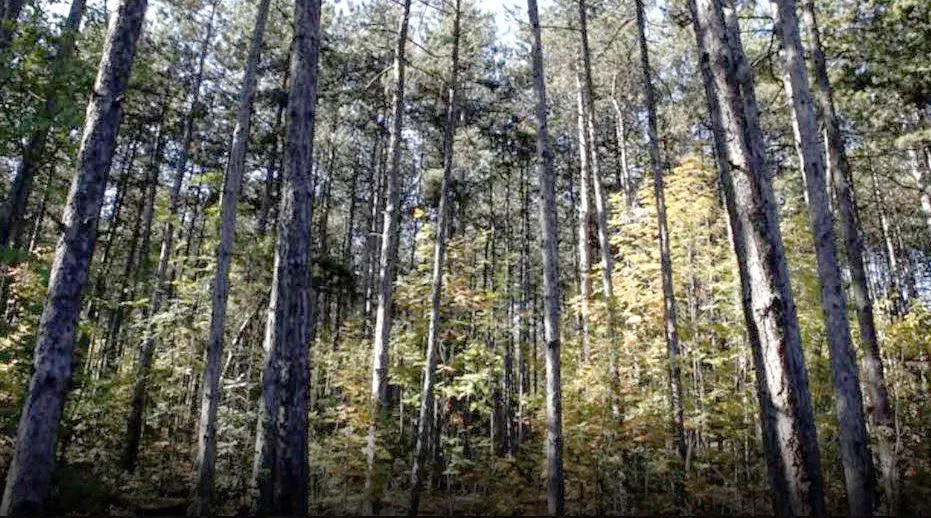
Of 9,500 square metres of greenery, 268 remain. Terrain with an 80-metre height difference, no erosion study and no opinion...

Gjorgjievski says the system should be ready by the middle of next year. The BRT tender is announced for the...
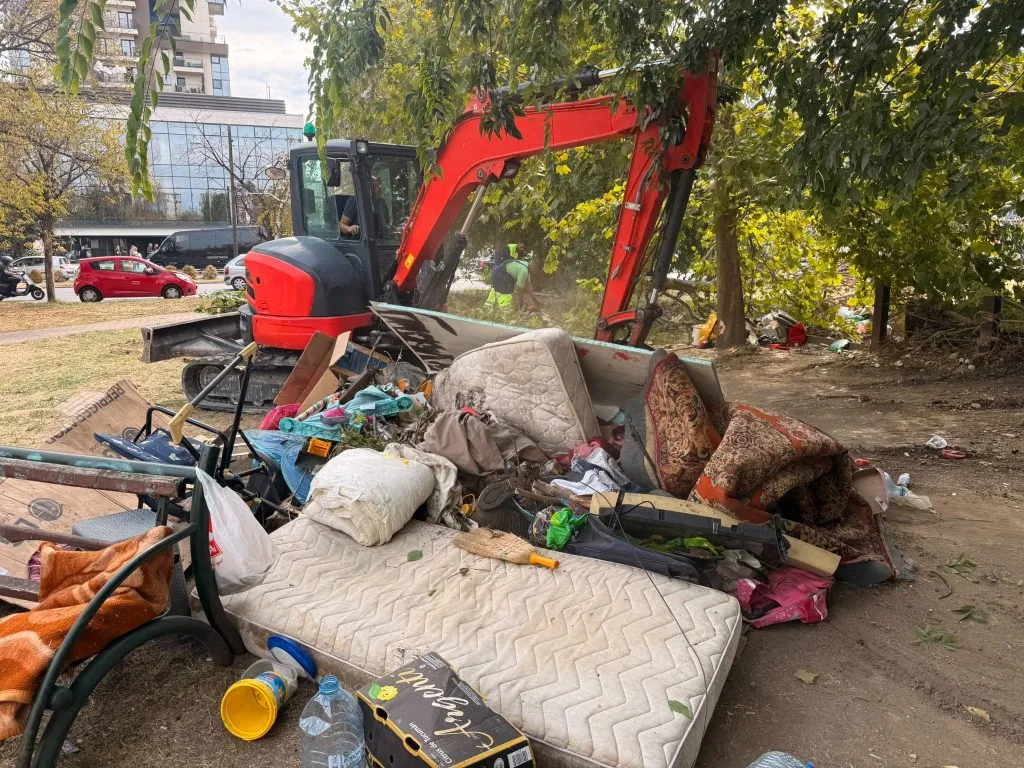
The second operation at the same site within a year. Gerasimovski himself is appealing to the Labour Ministry - because...
A prosumer scheme, a solar oven and electricity generated by bicycle on Magnolija square. The city that has paid the...
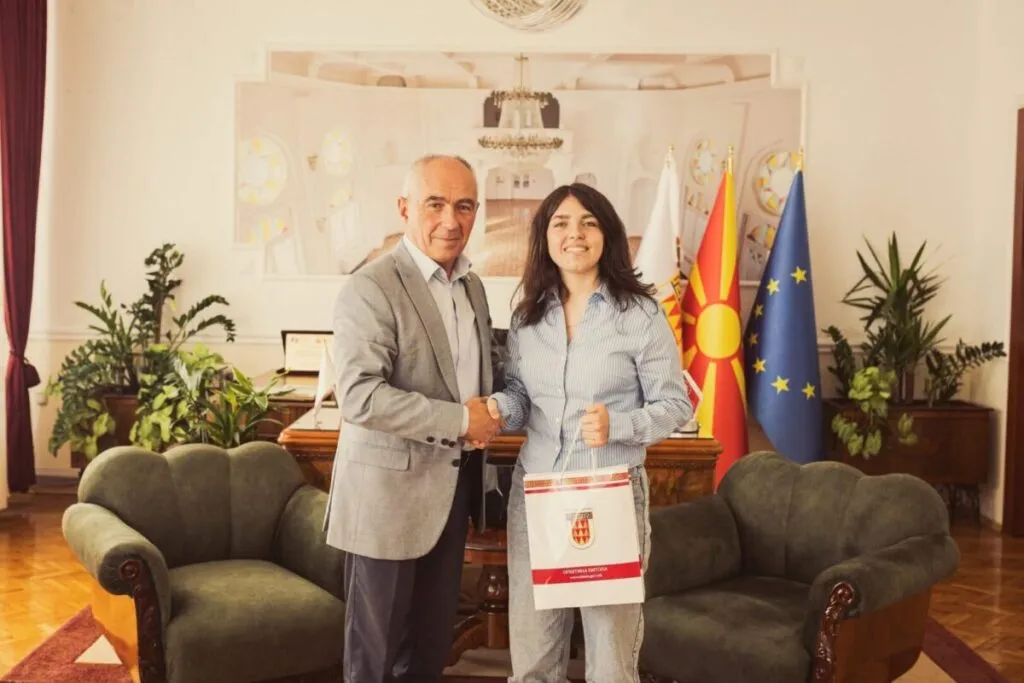
Stefanija Dimovska won two medals at IESO 2026, working in mixed international teams. Before that she was also national champion...
Out of nearly 4.7 million denars, the municipality is putting in around 180,000. The rest comes through the Bureau for...

Ten years working inside the health system - and she still had to pull strings to be admitted. The clinic...
Appeals run from 15 to 25 September. There is not enough space at Goce Delčev, so students go to Stiv...
From 23:00 to 05:00 there is no getting through towards Evzoni. Towards Halkidiki - business as usual. Those heading on...
This site uses cookies - is that okay? Learn more
Be the first to know when Metla launches something new
Leave your email and we will write when there is a new guide or something new on Metla.