
Sixteen Arrests in Twenty-Four Hours, All for Drugs: The Police Are Working - But Where Are All These People Coming From?
20.09.2026


20.09.2026

20.09.2026
20.09.2026
20.09.2026
20.09.2026

20.09.2026

20.09.2026
20.09.2026

20.09.2026

20.09.2026

20.09.2026

19.09.2026

20.09.2026

20.09.2026

20.09.2026

20.09.2026

19.09.2026

18.09.2026
20.09.2026

20.09.2026
20.09.2026
20.09.2026

20.09.2026

20.09.2026

09.03.2026

27.02.2026

19.02.2026
20.09.2026

19.09.2026

18.09.2026

23.04.2026

23.04.2026

12.04.2026

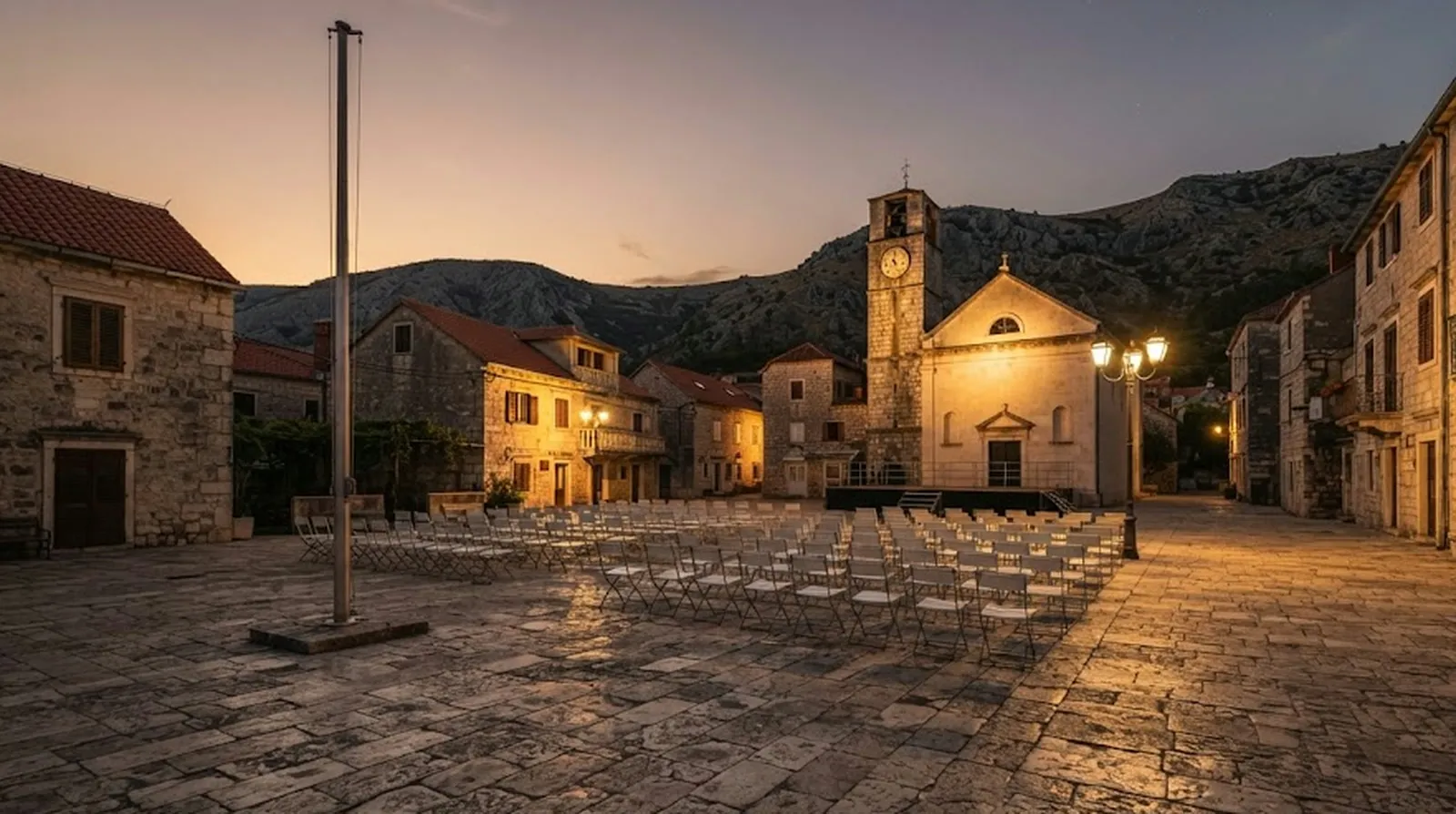
Knin, 5 August. The central commemoration of Operation Storm - the offensive after which more than two hundred thousand Serbs disappeared from Croatia - passed with two speeches worth far more than the ceremony itself. One was by President Zoran Milanovic, the other by Prime Minister Andrej Plenkovic. Both spoke about peace. Neither of them mentioned what exactly happened to the people who are no longer there.
Milanovic used the stage for something you rarely hear from the president of a NATO member: he went after the alliance itself. His target was the initiative for every member to allocate five percent of gross domestic product to armaments. Behind that figure, he said, stands not security but interest - the money of Croatian citizens, he argued, will end up in the pockets of the owners of German, French and American arms manufacturers.
The ally selling to the neighbour
Then came the part that explains the real irritation. Milanovic brought up Serbia and the rearmament of the Serbian army, and from there turned his criticism on his own allies - among them France, which he did not name, and which sold Serbia more advanced versions of the Rafale fighter jet than those it previously sold to Croatia.
The questions he put to the audience in Knin were direct: when Serbia arms itself with the help of some of our formal allies, is that fair play? How much is that costing us and how much more will it cost us? The questions are legitimate. The answer is simply uncomfortable for Zagreb - weapons are not an alliance, weapons are trade, and a trader sells to whoever pays. That is not a discovery of 2026.
"The rebellion came from Belgrade"
In the same speech Milanovic said Knin was not the heart of the rebellion against the Croatian state, but that the rebellion came from Belgrade. He added that the Croatian interpretation of history is the more honest one, though he is subjective as a president and as a Croat, and that not everyone has to see history the same way.
That last sentence sounds conciliatory. In fact it is the formula with which every side in the Balkans packages its uncomfortable chapters: this is our perspective. The problem is that the columns that left Krajina in August 1995 are not a perspective. They are a fact.
Plenkovic went further
If Milanovic's speech was aimed at NATO, the prime minister's was aimed at history - and there he went much further. Plenkovic called Operation Storm not only a legitimate liberation operation led by Franjo Tudjman, but also an action that saved Bihac from humanitarian catastrophe, changed the balance of forces in Bosnia and Herzegovina and opened the road to peace and the Dayton agreement.
Then came the formulation that will be remembered: "the crown of all victories in the Homeland War" and "a brilliant military action that changed the course of Croatian history". Brilliant. The word was chosen carefully and it is not accidental - it shifts the entire operation out of the realm of human consequences and into the realm of military aesthetics. When an operation is brilliant, nobody asks who was left behind it.
Plenkovic closed by saying Croatia is not competing in armaments and threatens nobody, but also that it fears nobody, and that it will never again be unprepared or unprotected. From Zagreb to Belgrade and back, this sentence repeats to the same tune every August - only the microphone changes.
Why this concerns us
Macedonia has no August of 1995 of its own, but it has the same mechanism. Every state in the region has a date it celebrates as a victory while the neighbour marks it as a loss. Every one has a prime minister who can say "brilliant" about something after which somebody else is counting graves. And every one, when pressed, says history is a matter of perspective.
Thirty-one years on, in Knin they are talking about peace. Neither of the two speeches found time for the people who are gone.
The latest 10 news from this category
Eight countries, 120 million people, a motorway to Timisoara and energy connections. And one cancelled visit that says more than...
The call was about damaged furniture on a terrace. Armin Dzutovic died three days later. The internal investigation found first...
Four KLA leaders received 81 years in prison, and Albania's parliament immediately adopted a declaration calling the verdict unjust. The...
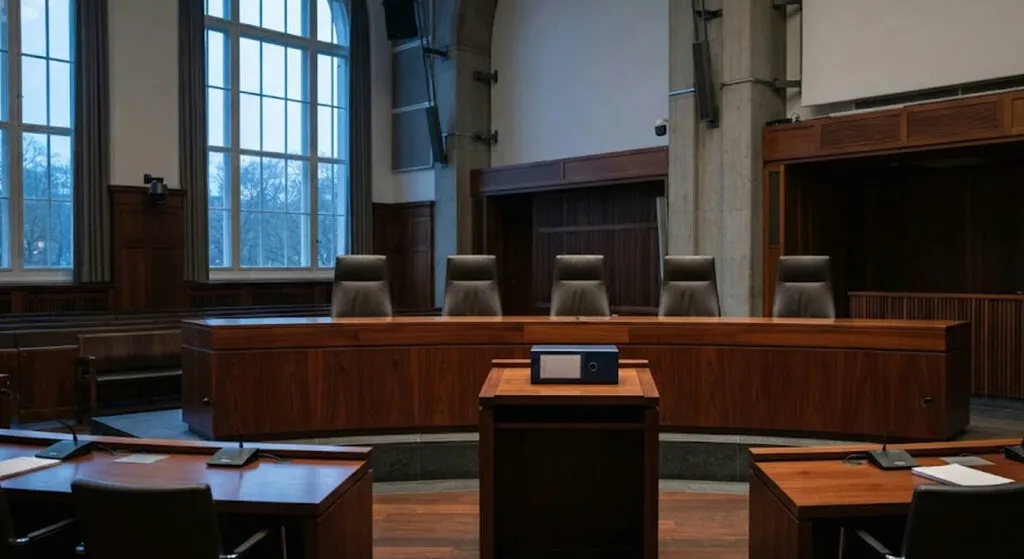
The court established responsibility for 96 killed, 303 tortured and 385 unlawfully detained. The prosecution asked for 45 years. Serbia...
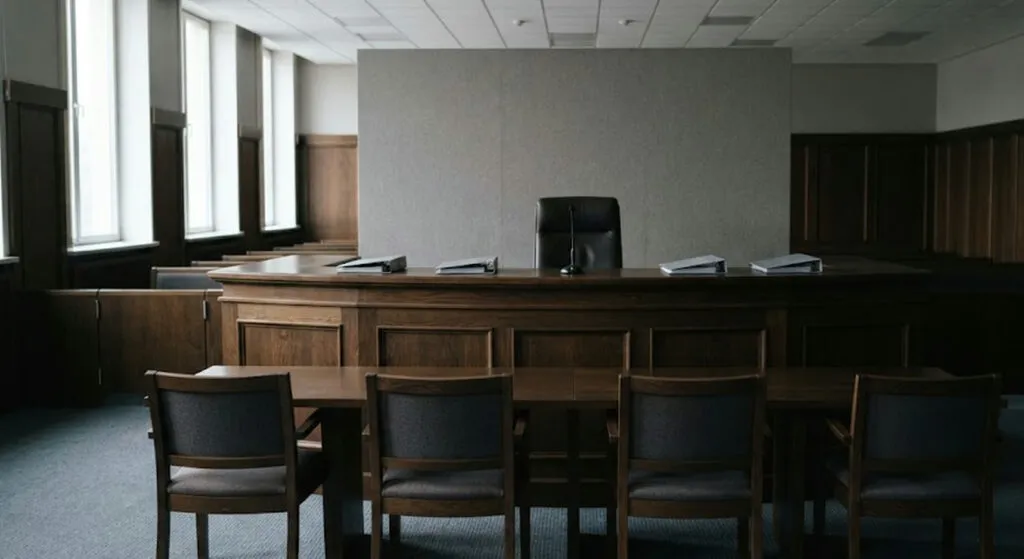
Thaci and Krasniqi got 25 years each, Veseli 18, Selimi 13. The court established 385 unlawfully detained, 303 tortured and...
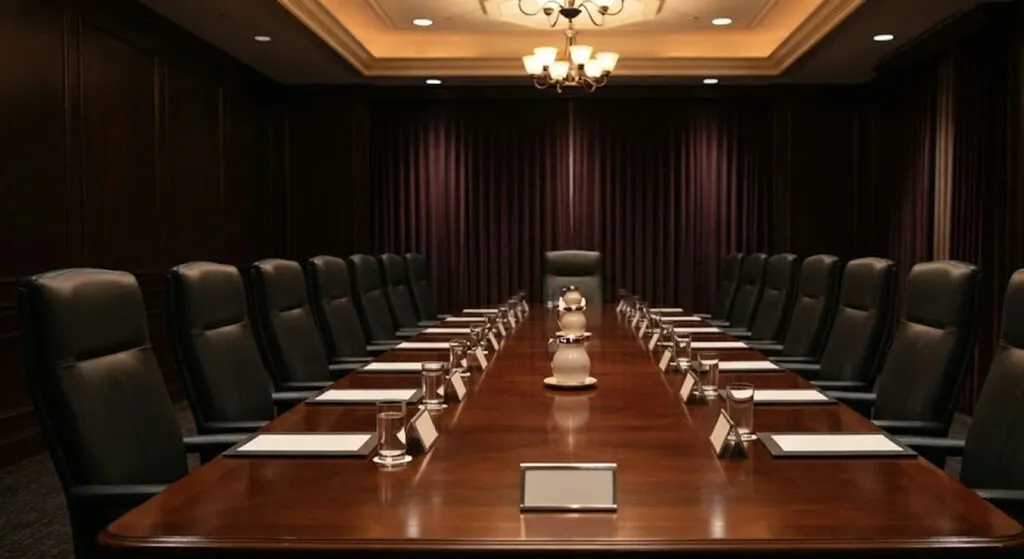
"If it is acceptable to the participants" - that is the entire offer. What gets negotiated is the format, not...

Thousands walked from the Rectorate to the electoral commission, and the signatures had to be queued for all weekend because...
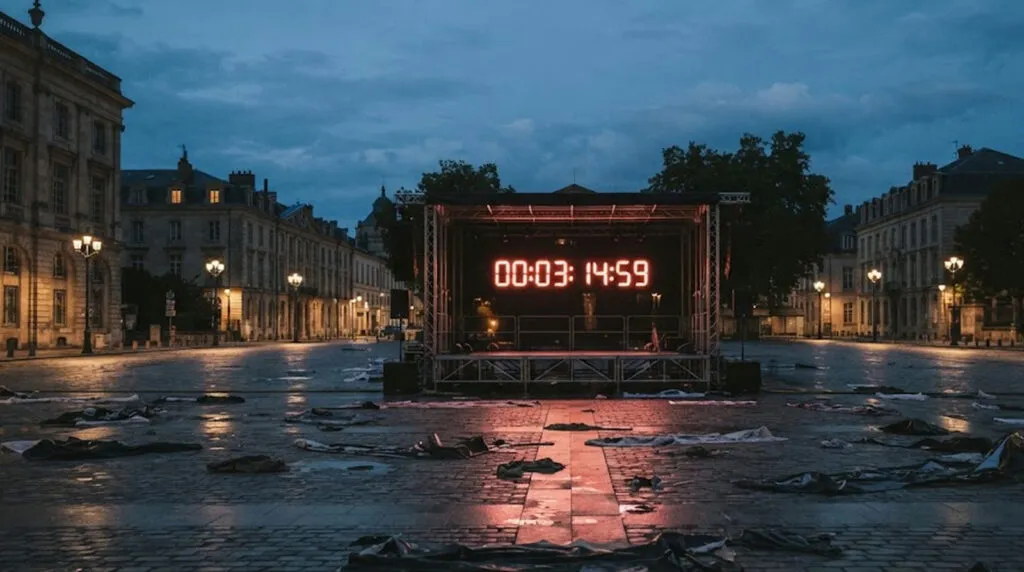
Thousands of people under a digital clock and a banner asking for them to be found innocent. On Wednesday The...
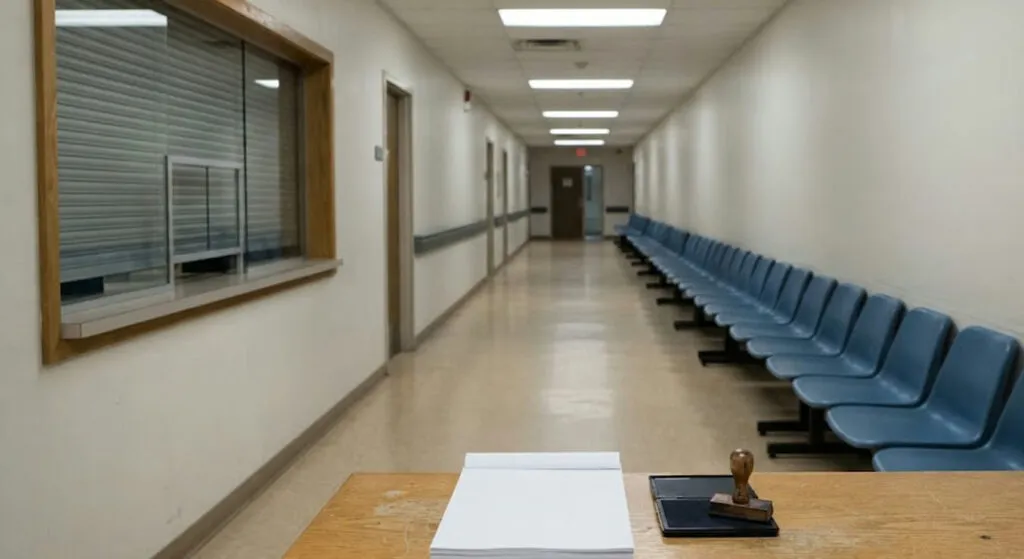
The ruling list sailed through without a single problem, the student list was left waiting in line. Nobody banned anything...
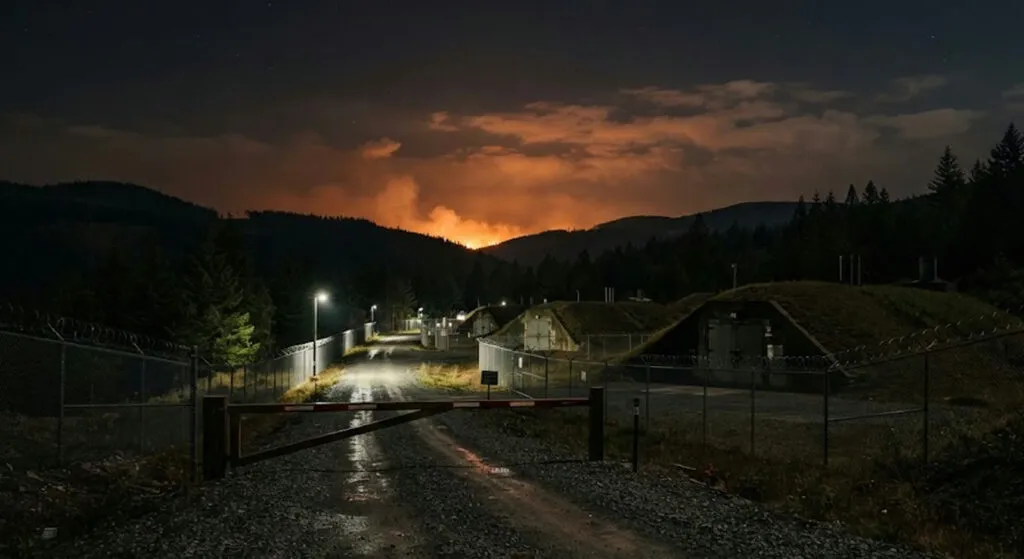
The same firm that supplied ammunition to Ukraine for years is burning for the second time in a month. Seven...
This site uses cookies - is that okay? Learn more
Be the first to know when Metla launches something new
Leave your email and we will write when there is a new guide or something new on Metla.