


Kratovo man stabs police officer mid-intervention: prosecutors want the 40-year-old detained
15.09.2026


15.09.2026

15.09.2026

15.09.2026

15.09.2026

15.09.2026

15.09.2026

15.09.2026

14.09.2026

13.09.2026

15.09.2026

15.09.2026

14.09.2026

15.09.2026
15.09.2026

15.09.2026

15.09.2026

14.09.2026

13.09.2026
15.09.2026

15.09.2026

15.09.2026

15.09.2026

15.09.2026

14.09.2026

09.03.2026

27.02.2026

19.02.2026

15.09.2026

14.09.2026

14.09.2026

23.04.2026

23.04.2026

12.04.2026

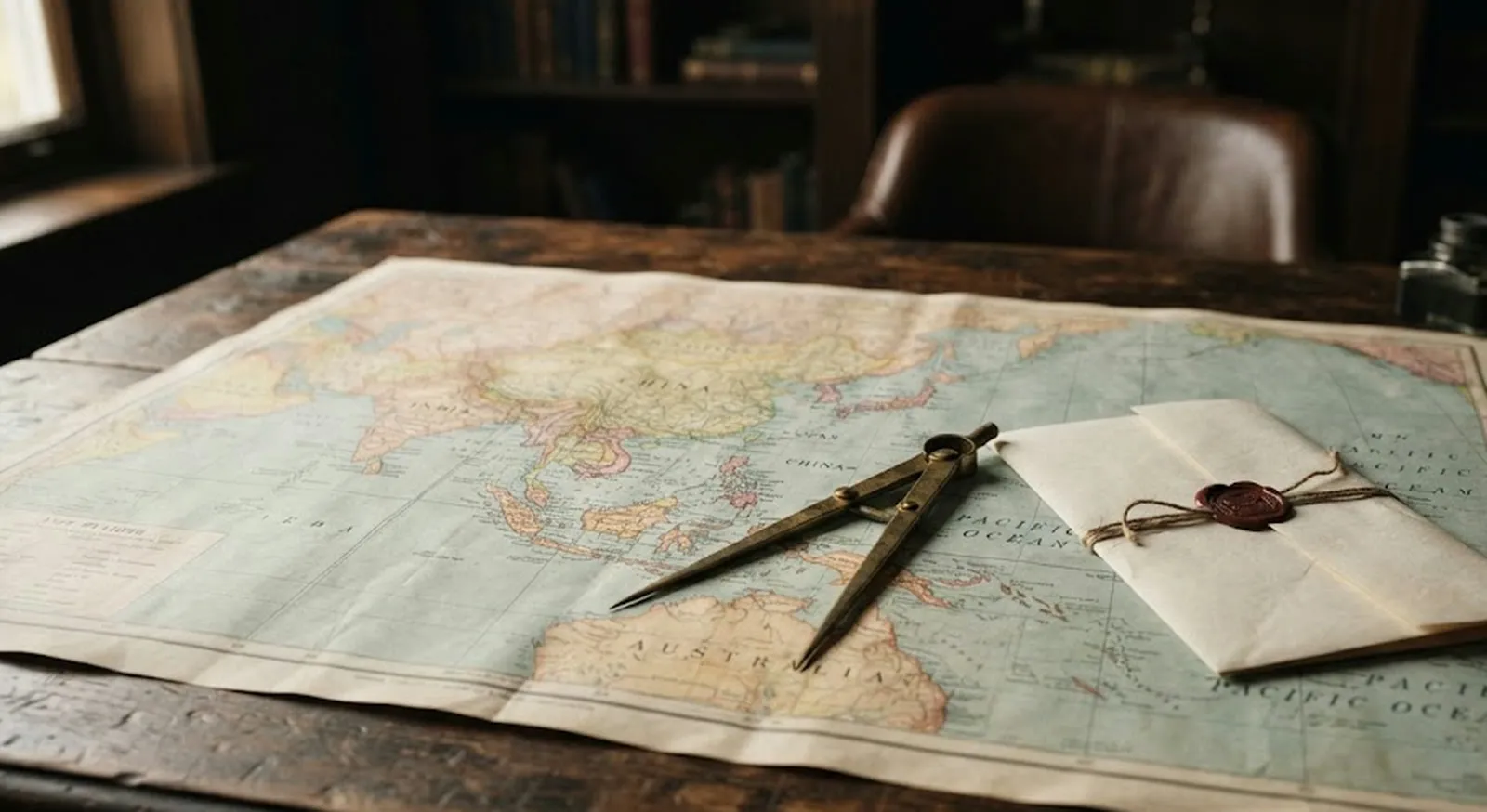
When Moscow wants to explain why a military alliance is dangerous, it does not reach for theory. It reaches for 1999. Russia's Deputy Foreign Minister, Andrei Rudenko, said that voices in the West are growing louder in favour of creating an Asian version of NATO - and cited bombed Yugoslavia as the main proof of what such blocs bring.
In his words, the call for a new structure in the Indo-Pacific, built on the model of the North Atlantic alliance, is getting stronger in the United States and in Europe. The logic of such a bloc, he argues, has always been the same: declare a common threat, assemble a military coalition around it, increase foreign military presence, and an arms race among the neighbours follows.
Then comes the part that sounds different in the Balkans than it does in Tokyo or Canberra. Rudenko recalled the 78 days of bombing of Yugoslavia without UN Security Council approval, then added Iraq and Libya. Three examples, one point - international order holds until it inconveniences whoever has the planes.
Should it be taken at face value? Hardly. This is Moscow using somebody else's pain as an argument in its own quarrel with the West, at the very moment it is waging a war in Ukraine that is legitimately thrown back in its face. When one power points at another power's breach of international law, that is diplomacy, not conscience.
But the fact remains a fact - 1999 really did happen without a Security Council resolution, and nobody since has offered a better explanation than „we had to”. That is precisely why Yugoslavia is to this day the handiest argument in other people's hands: it does not need to be invented, only mentioned.
Rudenko warned that dividing the world into blocs raises the risk of a dispute over policy or territory escalating into armed conflict, and named Ukraine as the latest country pulled into a contest between great powers - at a high human cost.
So whatever you conclude about who is lecturing whom, one thing is beyond dispute: 27 years on, our region is still the most quoted footnote in other people's geopolitical arguments. The Balkans settle nothing in the Indo-Pacific, yet they keep turning up in the statements. At what point does that stop being a compliment and start being a warning?
The latest 10 news from this category
Trump scaled back the military exercises to ease the tension, and Wonsan answered in the form of projectiles. What does...

The sanctions list got a seven-day extension instead of one measured in months, a move diplomats themselves call unprecedented. Two...
Switzerland offered a table for talks on Ukraine, Moscow replied that the table stopped being neutral once Bern adopted EU...
The will says one thing, a committee of twenty-one men decided another. The queen mother says the army pulled the...
A country that was Europe's byword for stability for decades now has a parliament split into two blocs by a...
Sixteen years in power, defeat at a regular election, five months of quiet - and now the election result is...

When an institution with a legal department and a palace apparatus has to publish a list of its verified accounts,...

Nobody said they do not trust Washington. Everyone is behaving as though they do not - gold, weapons, the cloud...
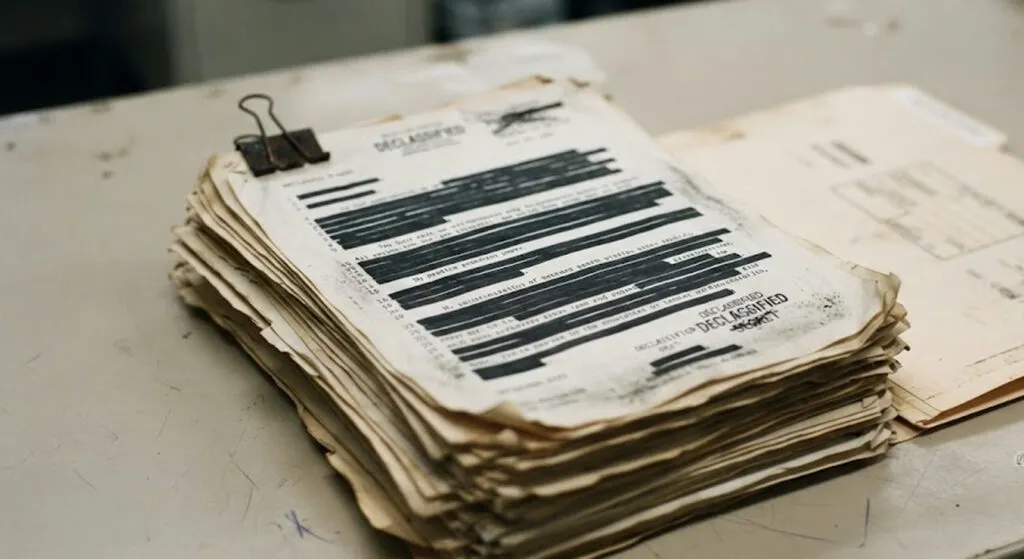
The warning reached the president three years before 9/11. The problem was not a lack of information, but that nobody...

In 1976 tradition demanded the future king choose a bride with no past. Thirty years later that same king married...
This site uses cookies - is that okay? Learn more
Be the first to know when Metla launches something new
Leave your email and we will write when there is a new guide or something new on Metla.
