
Kratovo man stabs police officer mid-intervention: prosecutors want the 40-year-old detained
15.09.2026


15.09.2026

15.09.2026
15.09.2026
15.09.2026
15.09.2026
15.09.2026

15.09.2026

14.09.2026
13.09.2026

15.09.2026
15.09.2026

14.09.2026

15.09.2026

15.09.2026

15.09.2026

15.09.2026

14.09.2026

13.09.2026

15.09.2026

15.09.2026

15.09.2026

15.09.2026

15.09.2026

14.09.2026

09.03.2026

27.02.2026

19.02.2026

15.09.2026

14.09.2026
14.09.2026

23.04.2026

23.04.2026

12.04.2026

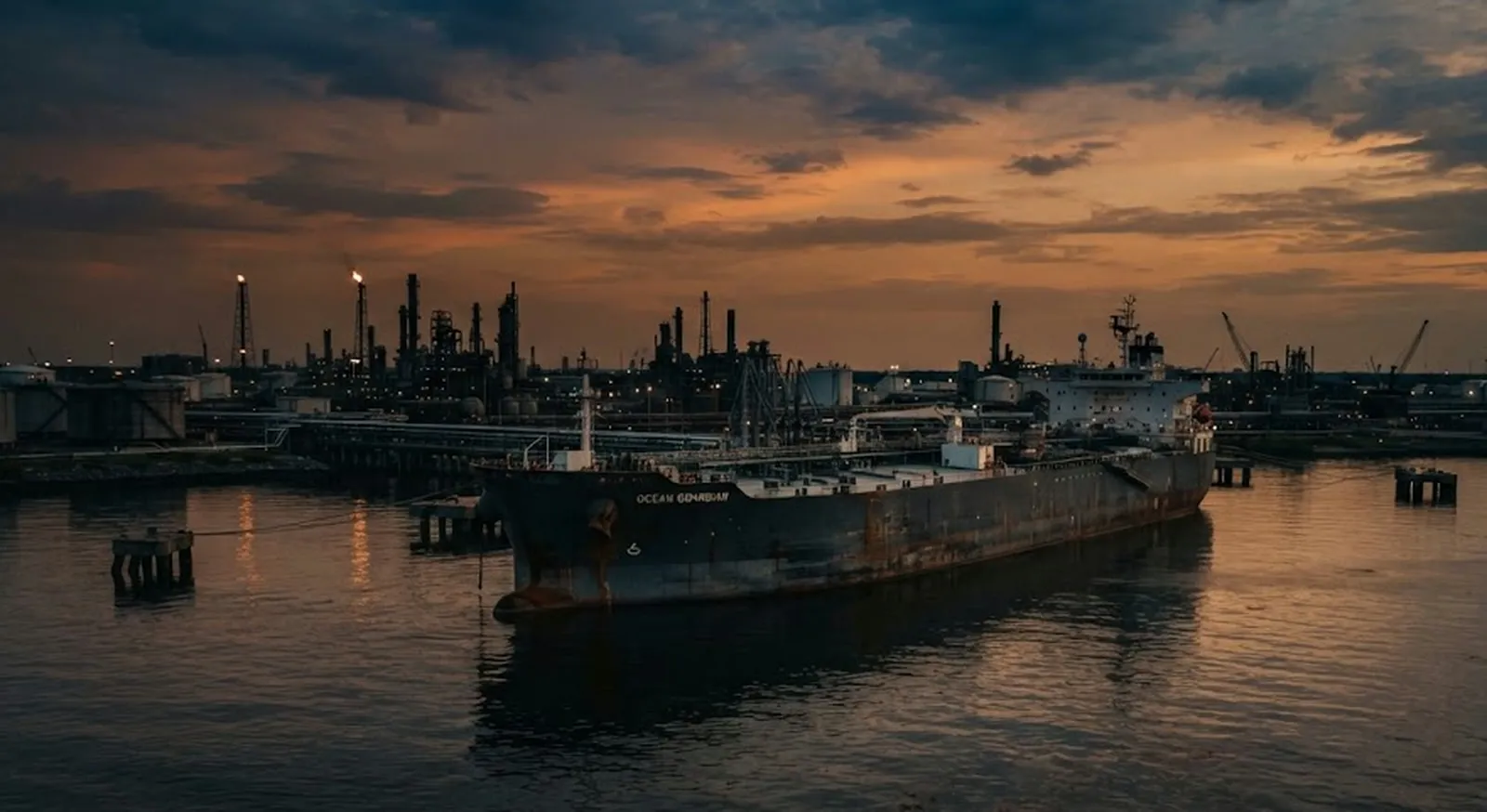
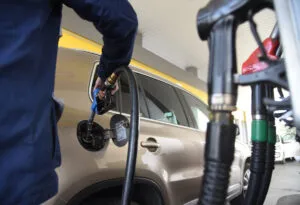
The price of Brent crude has crossed the 100-dollar-a-barrel line again for the first time since late May. The jump is no accident - it comes straight from the Red Sea, where every shot sends a wave that reaches every petrol pump in the world.
North Sea Brent jumped 6.77 percent, to 100.512 dollars a barrel. The cause? The Houthis, backed by Iran, are once more striking ships in the Red Sea. That means costlier insurance for the tankers carrying oil and gas, and longer routes - because ships are avoiding the conflict zones. Every kilometre of detour is a cost that someone pays in the end.
The numbers analysts cite are stark: Brent is still about 20 dollars below its April peaks, but already 28 dollars above the level before the new escalation in the Middle East. US crude (WTI) is trading around 84.50 dollars. The market, in other words, smells crisis again.
And why does this matter beyond the stock exchange? Because more expensive oil doesn't stay on the chart. It turns into higher inflation, and central banks then get an excuse to hold or raise interest rates. Costlier credit, costlier transport, costlier every box that travels by truck or ship.
The Balkans know this story by heart - tension at one end of the world, a price rise at the other. Will this time be different? When the big players quarrel in the Red Sea, it rarely happens that the flame stops right at the border of the conflict.
For now, analysts describe the current jump as a “serious geopolitical and economic threat”. Translated into a language we all understand: while the tension lasts, no one promises it will be cheaper tomorrow.
The latest 10 news from this category
Trump scaled back the military exercises to ease the tension, and Wonsan answered in the form of projectiles. What does...

The sanctions list got a seven-day extension instead of one measured in months, a move diplomats themselves call unprecedented. Two...
Switzerland offered a table for talks on Ukraine, Moscow replied that the table stopped being neutral once Bern adopted EU...
The will says one thing, a committee of twenty-one men decided another. The queen mother says the army pulled the...
A country that was Europe's byword for stability for decades now has a parliament split into two blocs by a...
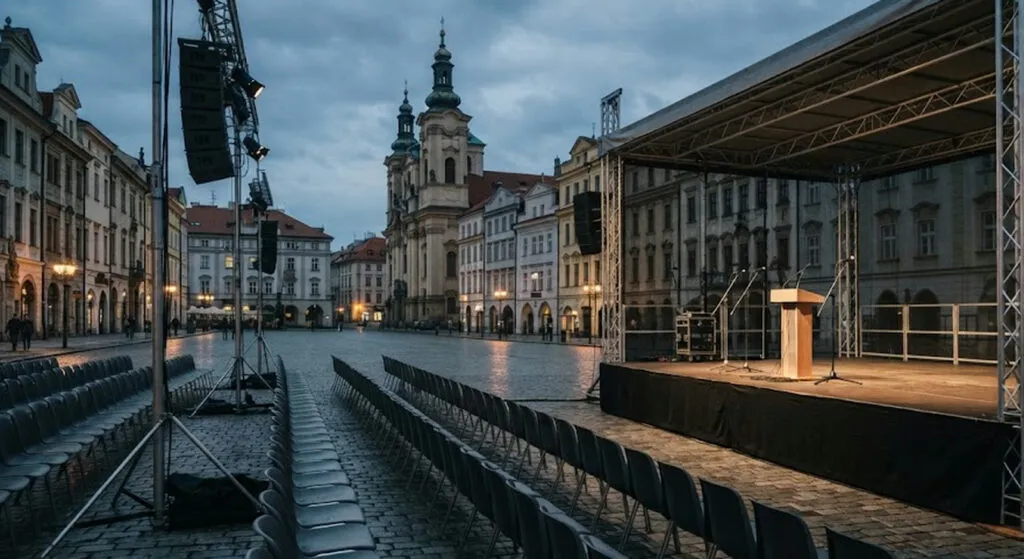
Sixteen years in power, defeat at a regular election, five months of quiet - and now the election result is...

When an institution with a legal department and a palace apparatus has to publish a list of its verified accounts,...
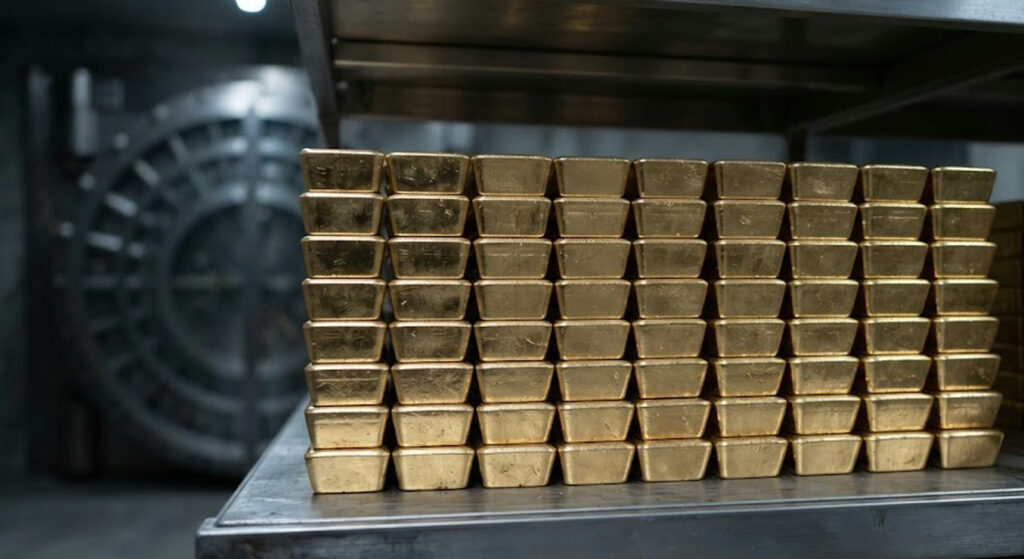
Nobody said they do not trust Washington. Everyone is behaving as though they do not - gold, weapons, the cloud...
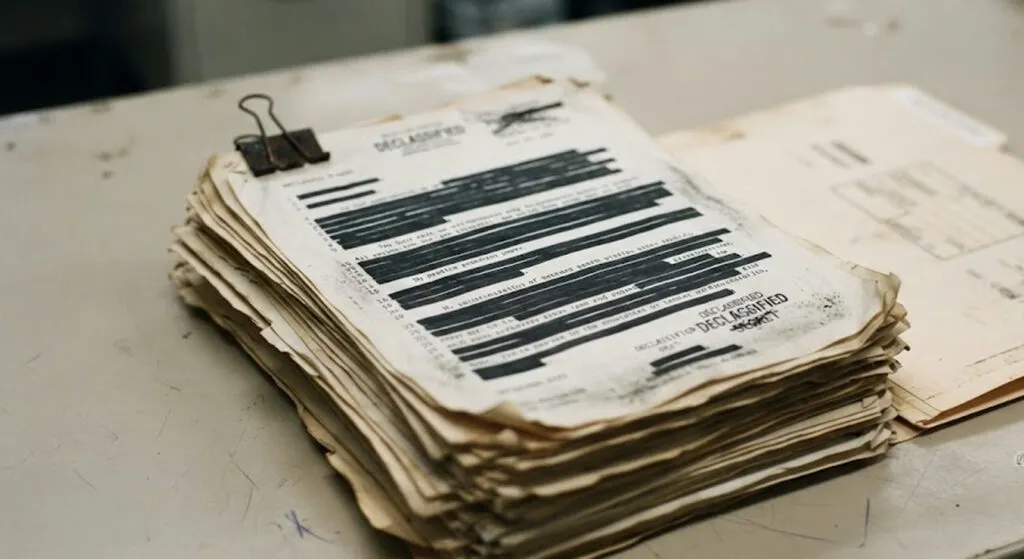
The warning reached the president three years before 9/11. The problem was not a lack of information, but that nobody...

In 1976 tradition demanded the future king choose a bride with no past. Thirty years later that same king married...
This site uses cookies - is that okay? Learn more
Be the first to know when Metla launches something new
Leave your email and we will write when there is a new guide or something new on Metla.