
Sixteen Arrests in Twenty-Four Hours, All for Drugs: The Police Are Working - But Where Are All These People Coming From?
20.09.2026


20.09.2026

20.09.2026

20.09.2026
20.09.2026

20.09.2026

20.09.2026

20.09.2026

20.09.2026

20.09.2026

20.09.2026

20.09.2026

19.09.2026

20.09.2026

20.09.2026

20.09.2026

20.09.2026

19.09.2026

18.09.2026

20.09.2026

20.09.2026

20.09.2026

20.09.2026

20.09.2026

20.09.2026

09.03.2026

27.02.2026

19.02.2026

20.09.2026

19.09.2026

18.09.2026

23.04.2026

23.04.2026

12.04.2026

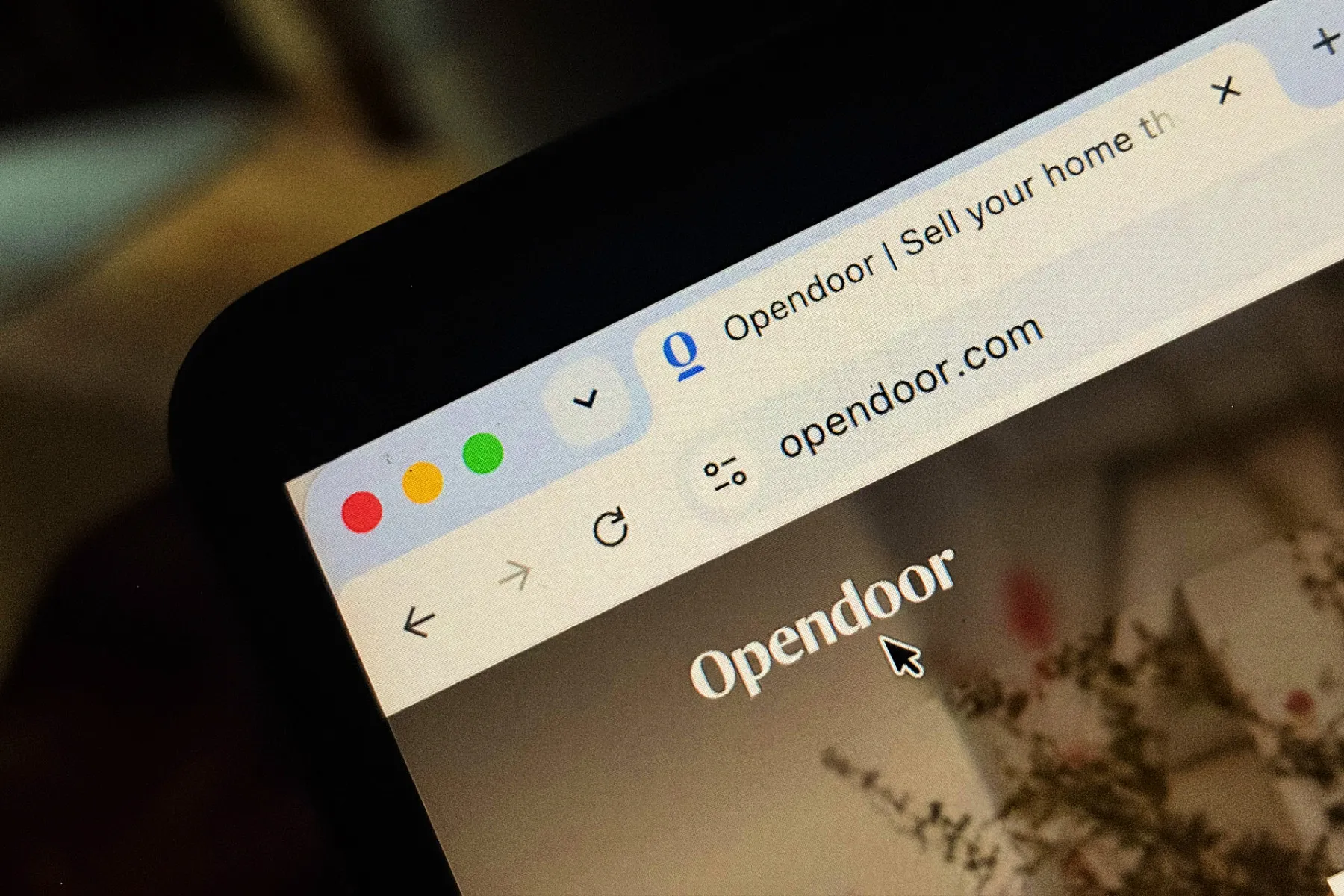
An American company has quietly closed its offices in India, and all of Silicon Valley froze. Not because the closure is big - but because for many it's the first clear signal that artificial intelligence is starting to eat what for decades brought work and money to India.
The company Opendoor, an online home-buying platform out of San Francisco, is shutting down its operations in India less than two years after opening them. CEO Kaz Nejatian announced a return of the work to the US, closer to clients, and a shift to smaller teams "born with AI." The company had 250 employees in India when, in 2024, it opened offices in Chennai and Bengaluru.
Why so much fuss over one struggling company? Because what's at stake is far bigger than Opendoor. India has long been more than a destination for cheap office work - it's the world's largest market for the so-called Global Capability Centers, with over 2,100 centers, around 2.36 million employees and nearly 100 billion dollars in annual revenue. When someone coughs in that system, the whole subcontinent listens.
Still, a dose of sobriety is in order. Opendoor has been shrinking for years - at the end of last year it had 1,042 employees worldwide against 1,470 before. The India closure could just as easily be a story about AI as a story about the company's own troubles in a tough real-estate market. Not every layoff is a revolution; sometimes it's just a bad year.
But the language of investors shows where the fear is going. "As manual work is replaced by AI, many jobs will be lost in India," wrote Sheel Mohnot of the fund Better Tomorrow Ventures. Another venture investor called the move a "turning point" for AI-run operations.
Phil Fersht, head of the analyst firm HFS Research, put his finger on the real spot: this isn't a story about jobs moving from India to America. "The more important shift is that AI is reducing the amount of operational work companies need at all," he says, describing a model in which firms run leaner regardless of where they are. "This isn't an isolated restructuring. It's part of a much broader pattern."
For the Balkans, this isn't distant news. The same model of cheap digital work for foreign companies - outsourcing, call centers, IT services - is one of the few branches that in recent years created jobs both here and in the region. If artificial intelligence really is starting to redraw that economy, the question "what comes after outsourcing?" won't stay only Indian.
The latest 10 news from this category

Porsche, Alaska Airlines and J.B. Hunt are not buying startups - they are commissioning them. When innovation moves inside the...

Sold for two billion, blocked by the state, bought back by its own investors - and now worth twice as...
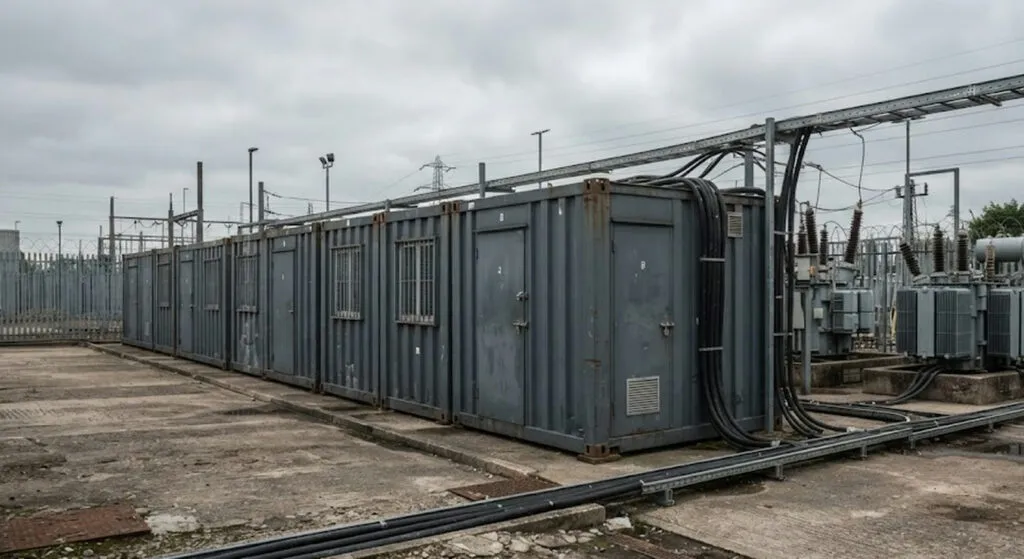
An eight-year-old firm that started out mining crypto has tripled its value in ten months. It did not discover anything...

The price of uranium has jumped 75 percent in five years, and the list of countries that mine it reads...
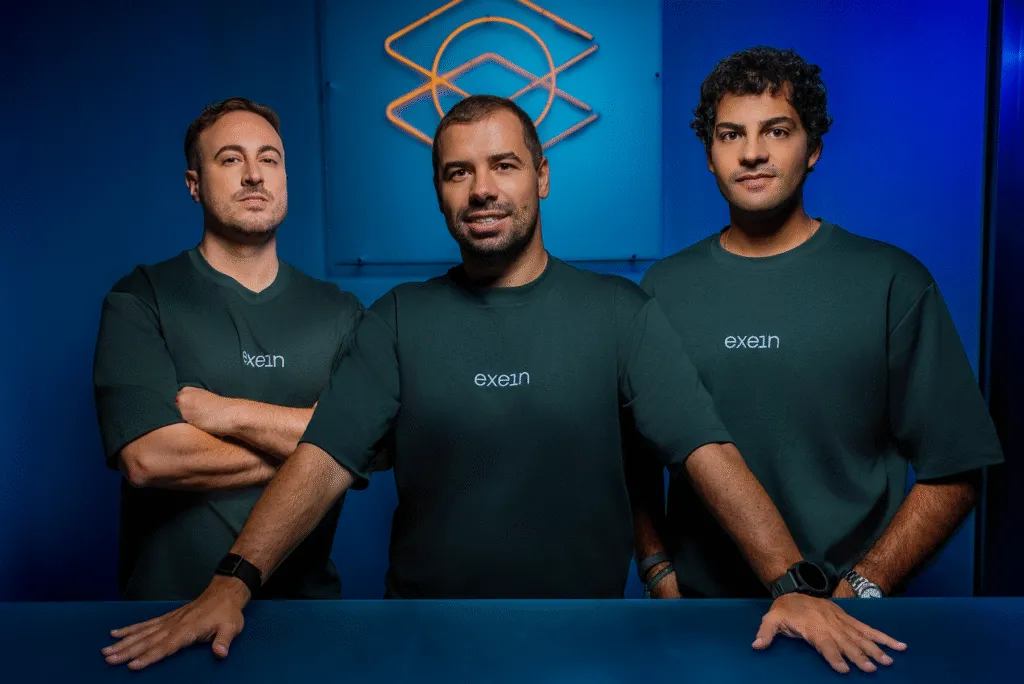
Exein raised 270 million dollars and its valuation jumped thirtyfold in two years. The European regulation coming into force in...
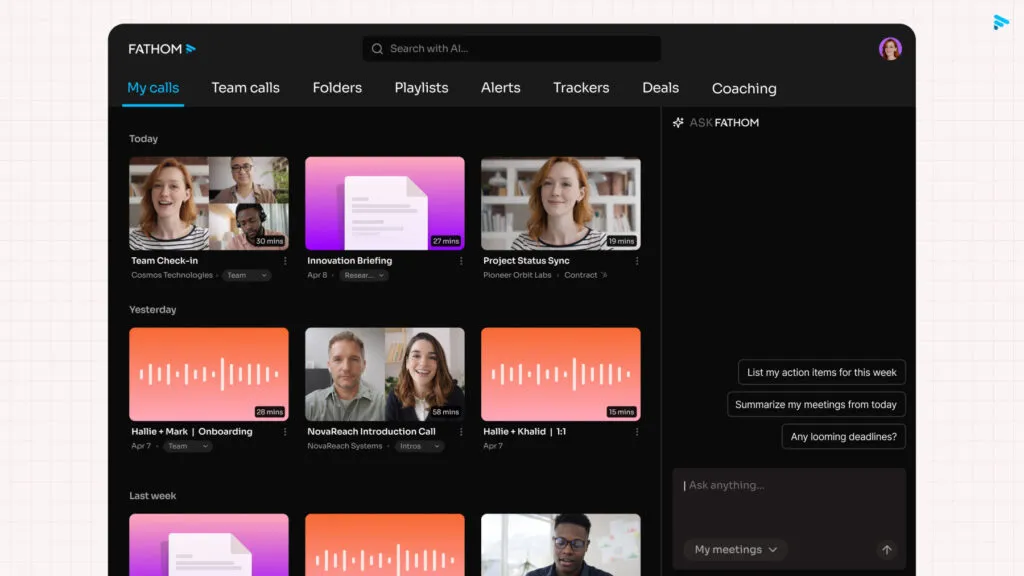
A startup valued at 94 million dollars changed hands, and both sides said openly what was being bought - not...
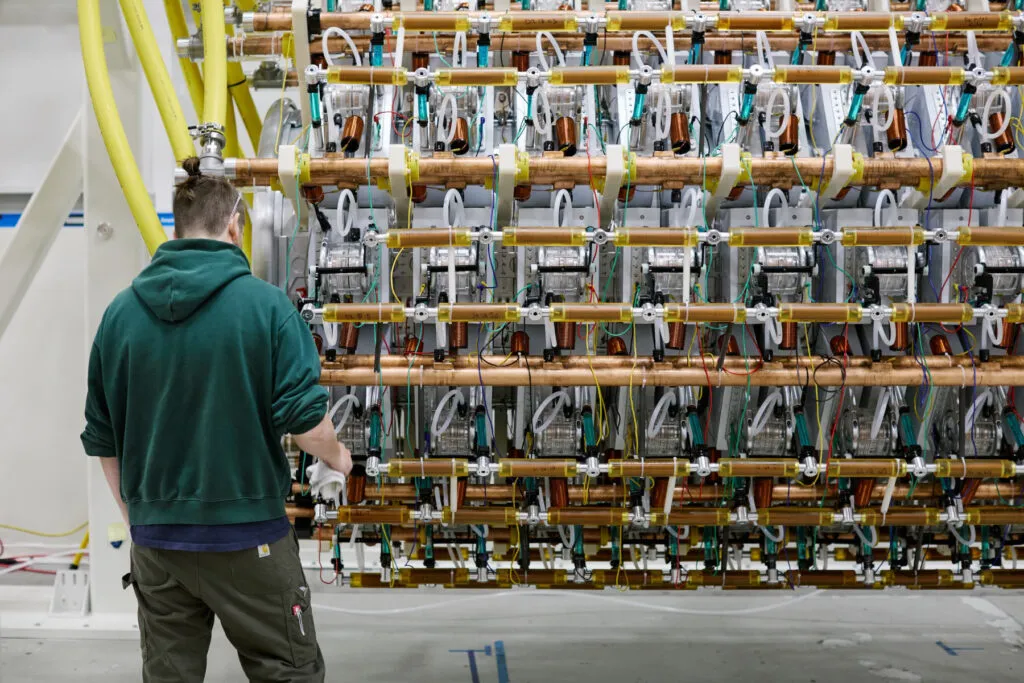
A technology sold for decades as the answer to the climate is now taking money from the defence industry. The...
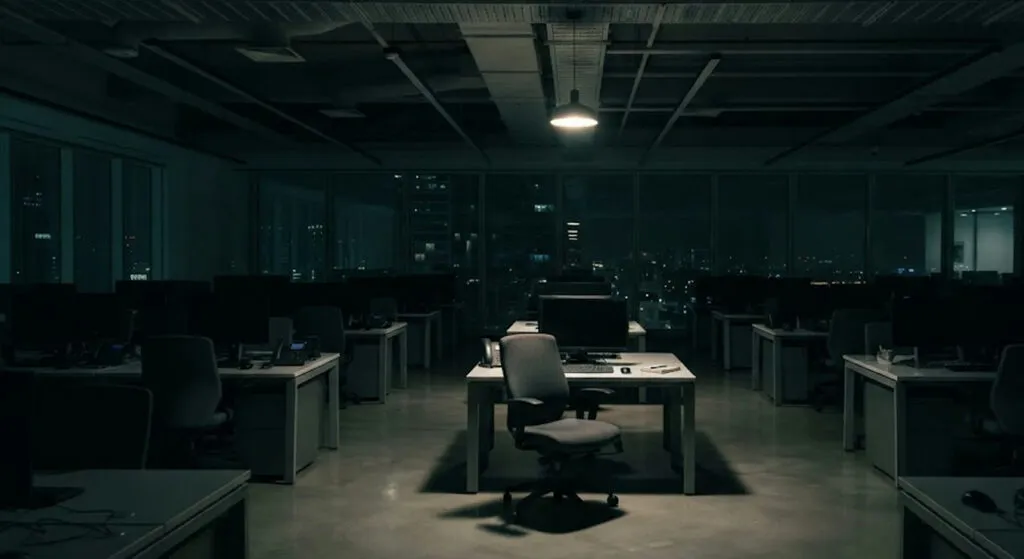
The board voted, the founder kicked the administrators out of Slack and held out for three days. What does a...

Three months ago the company raised 60 million. Now it is worth almost ten times that, and its product is...

After Ohridska Banka, Sparkasse has gone after a second one. The approvals come from Podgorica, Belgrade and Frankfurt. The market...
This site uses cookies - is that okay? Learn more
Be the first to know when Metla launches something new
Leave your email and we will write when there is a new guide or something new on Metla.