

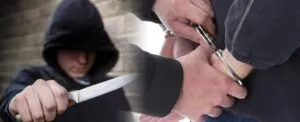
Kratovo man stabs police officer mid-intervention: prosecutors want the 40-year-old detained
15.09.2026


15.09.2026

15.09.2026

15.09.2026
15.09.2026

15.09.2026
15.09.2026

15.09.2026

14.09.2026

13.09.2026

15.09.2026

15.09.2026

14.09.2026

15.09.2026
15.09.2026

15.09.2026

15.09.2026

14.09.2026

13.09.2026

15.09.2026

15.09.2026

15.09.2026

15.09.2026

15.09.2026

14.09.2026

09.03.2026

27.02.2026

19.02.2026

15.09.2026

14.09.2026
14.09.2026

23.04.2026

23.04.2026

12.04.2026

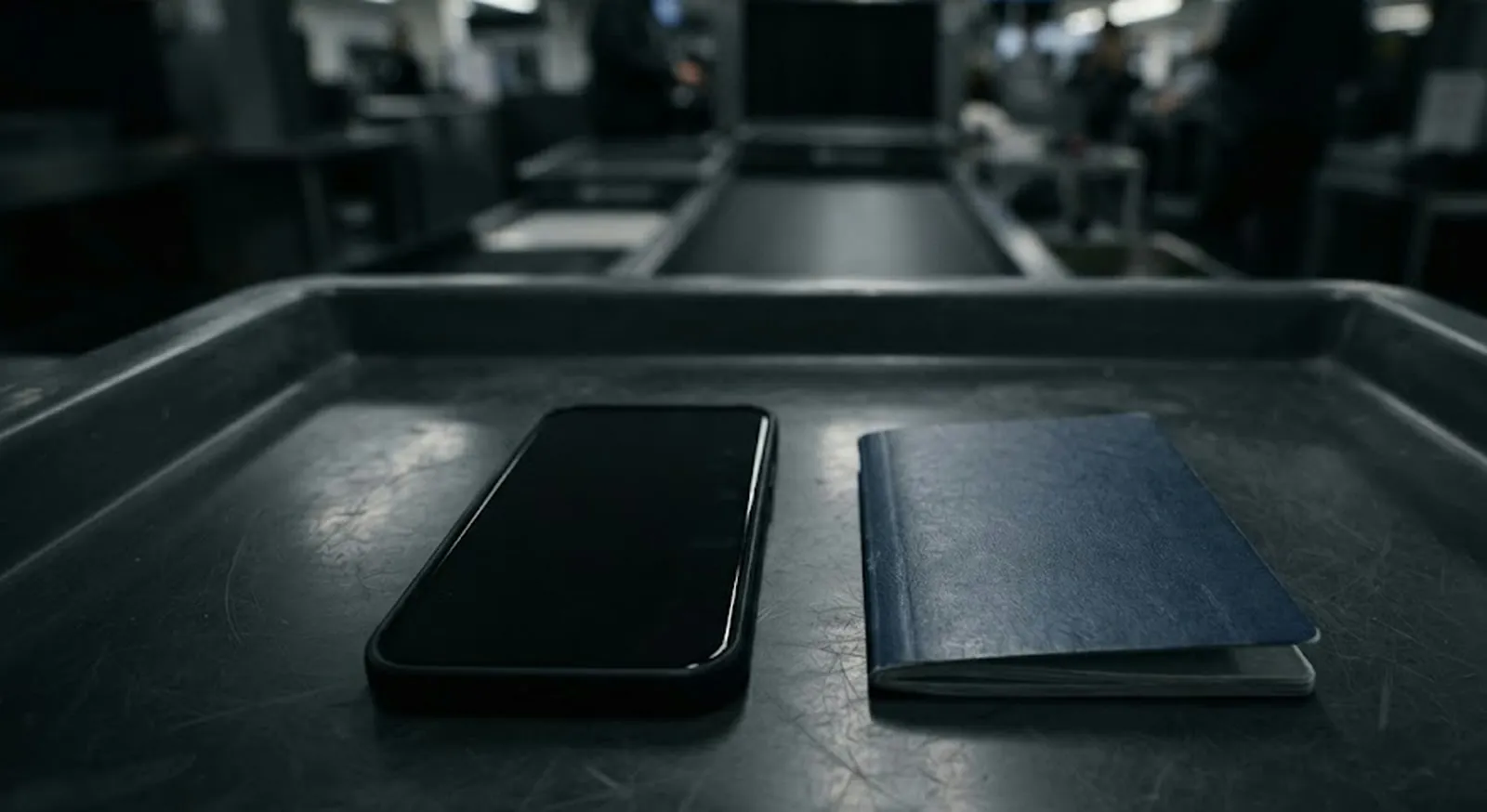
The American authorities are for the first time charging a man for entering, at a border check, a password that wiped his phone. The case of Samuel Tunick from Atlanta is, according to his defence, the first known federal prosecution in the US for destroying data via a so-called duress password - a function that deliberately wipes the device when entered instead of the real code.
The event took place on 24 January 2025 at the Atlanta airport, on his return from abroad. Tunick was taken for an additional check. According to his legal filing, border agents did not allow him access to a lawyer and did not inform him of his rights, and then demanded the phone's code - claiming they were looking for child-abuse material, without any evidence. Tunick gave the code. „The screen went blank, flashed a few times and the phone restarted.” They still confiscated the device, but let him enter.
The function exists in GrapheneOS, a custom operating system for Google Pixel phones, aimed precisely at people who want maximum control over their data. Tunick is now charged under an article that prohibits knowingly destroying property in order to prevent its seizure. He pleaded not guilty, and his lawyers are seeking to have the evidence thrown out, arguing that the check and the seizure were unlawful.
Two independent digital-security experts said they had not encountered a similar case before. One of them, Runa Sandvik, gave advice worth remembering no matter which country you live in: „This case is a reminder that the authorities can claim you knowingly destroyed data, so it is better not to have that data with you at all when crossing certain borders.”
And here is the essential part. The US government holds to the position that borders are not American soil until the traveller is granted entry - which means devices can be searched without a court warrant. That is exactly why this case is not just about one man and one phone. It draws the red line: where the state's right to look in your pocket ends, and where your right to lock it begins.
Tunick's filing argues that the authorities may in fact have been investigating his connection to an environmental movement in Atlanta that opposes the construction of a police training centre. If so, the story gains another layer - about how the security machinery can turn activism into suspicion, and travel into an interrogation. The court in Atlanta is expected to decide on the motion later this year.
The latest 10 news from this category
A scientist at the same company puts the probability of human extinction above 10 percent within the next decade. The...
The president called in while the event was running, and the man who makes the chips answered that there would...

No virus attached, no suspicious file. Just a box that looks like the "I am not a robot" check and...
A researcher quit because the firms are gambling with our lives. Instead of denying it, Anthropic confirmed it - with...
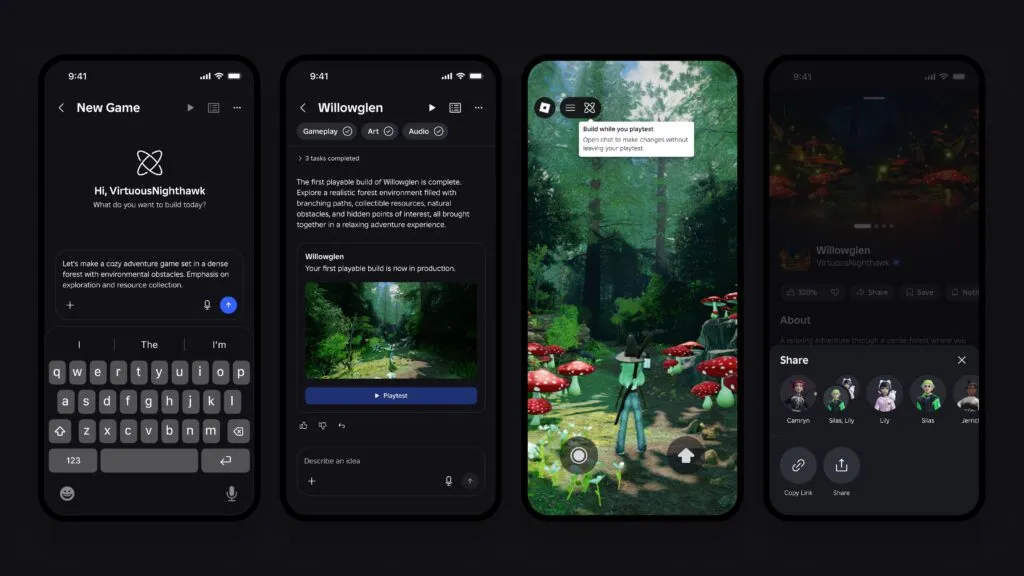
Write a sentence, get a game. Until now it worked only in New Zealand, now in Belgrade too. Creators on...

When the two biggest firms in an industry ask for rules on how fast anyone may run, the rules rarely...

Not a single password fell. What fell was the assumption that a request from a government domain is automatically a...

The biggest names in mathematics have signed a letter against the AI labs. The dispute is not whether the machine...

Five campaigns, 200 million exchanges, and the defences fell to a request for a Japanese translation. The industry that harvested...

The hackers were inside for a whole year. The company confirmed it only after a journalist found his own licence...
This site uses cookies - is that okay? Learn more
Be the first to know when Metla launches something new
Leave your email and we will write when there is a new guide or something new on Metla.
