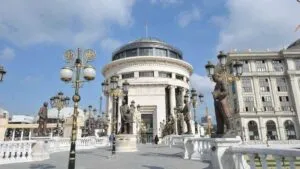
Шест години лажни категории во возачки дозволи од шалтер во МВР: обвинети шестмина, уште 21 лице под истрага
21.09.2026


21.09.2026

21.09.2026
21.09.2026

21.09.2026
21.09.2026
21.09.2026

21.09.2026

20.09.2026
20.09.2026

21.09.2026

21.09.2026

20.09.2026
21.09.2026

21.09.2026

21.09.2026

21.09.2026

20.09.2026
19.09.2026

21.09.2026

21.09.2026

21.09.2026
21.09.2026
21.09.2026

21.09.2026

09.03.2026

27.02.2026

19.02.2026

20.09.2026
19.09.2026
18.09.2026

23.04.2026

23.04.2026

12.04.2026

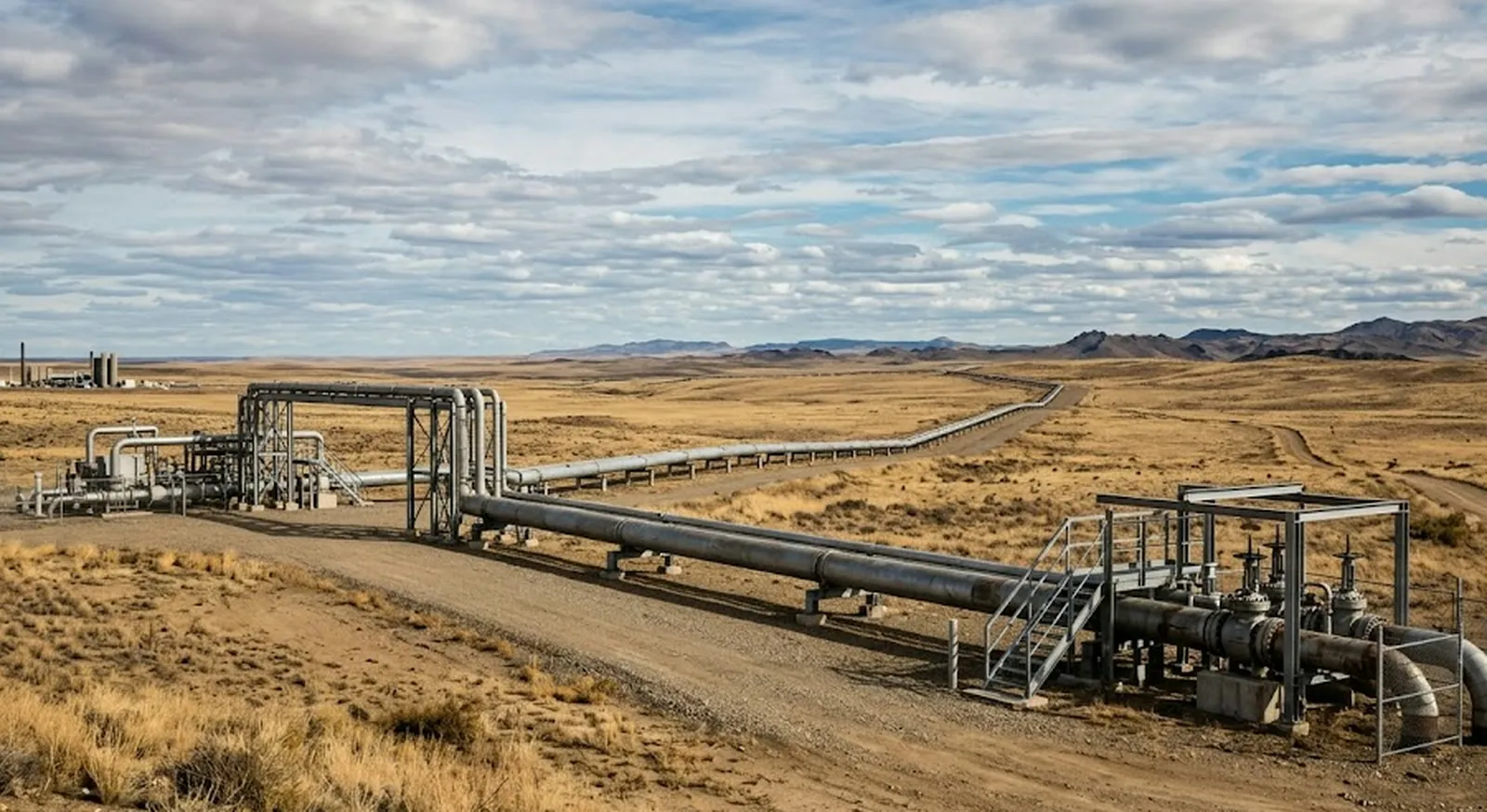
Russia has blocked the construction of a pipeline through Kazakhstan to China, with a capacity of 35 billion cubic meters of gas a year. At first glance, an ordinary energy move - but according to Russian energy expert Igor Alabuzhin, behind the decision lies a calculation that has nothing to do with the price of gas.
Alabuzhin argues the problem is who that gas would serve. In his view, energy along that route could power projects backed by American and Western capital - especially tungsten mines, a metal of strategic importance for the military industry. „Many have invested there," he says, adding that tungsten is used in munitions to make them more armor-piercing. Moscow, by this reading, sees the pipeline as a security risk, not a commercial deal.
It's worth being cautious - this is the view of one analyst, not confirmed state policy, and the claims about specific Western investors should be read as his thesis, not as fact. But even as a thesis, it illustrates the logic of the new energy geography well: the pipes no longer carry just gas, but geopolitics too. Who powers whom becomes more important than what a kilowatt costs.
For a region like ours, which has for decades depended on other people's pipes and other people's decisions, this is no abstract news. Every time the big players reroute energy flows for military or political calculations, the consequences eventually land on the bills of ordinary consumers in the Balkans. When Moscow, Beijing, and Washington haggle over metals and routes, the small markets usually pay the tax - without anyone asking them.
The latest 10 news from this category
Три опции на масата во Вашингтон - воен притисок, економско давење или договор - а претседателот ја опишува дилемата како...
Партијата на Аденауер и Кол се лизна до изборниот праг во Мекленбург, АфД веќе бара оставка од канцеларот, а Мерц...
Two prime ministers in the same Union, the same month, completely opposite diagnoses of who is provoking whom. There is...
A broken aircraft in a field usually ends up in a police note. This one ended up with federal investigators,...
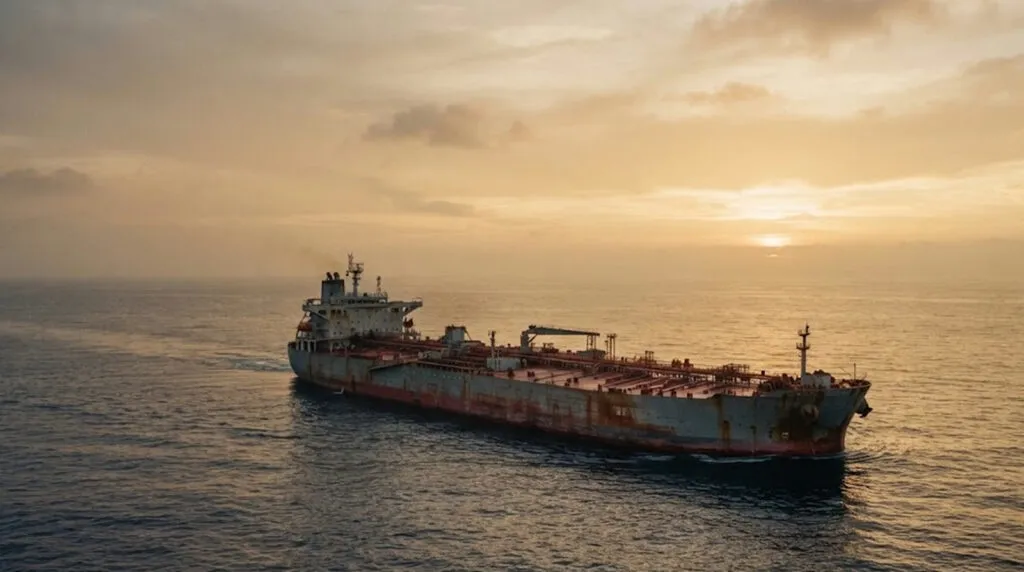
Beijing will easily find another supplier. The harder question is what Washington is actually testing: whether private Chinese companies will...
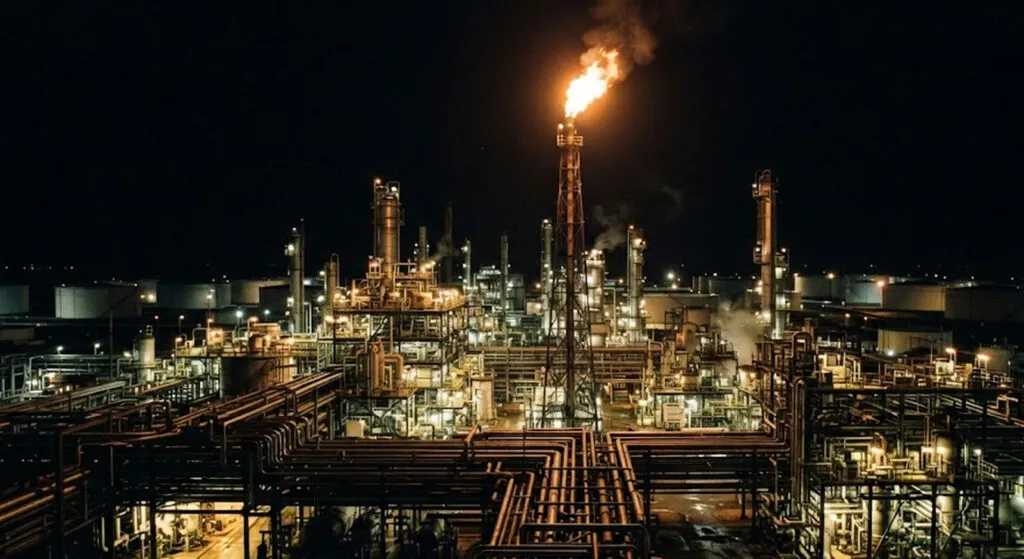
The law lets Washington hit the five biggest buyers of Russian oil with tariffs of up to 100 per cent....
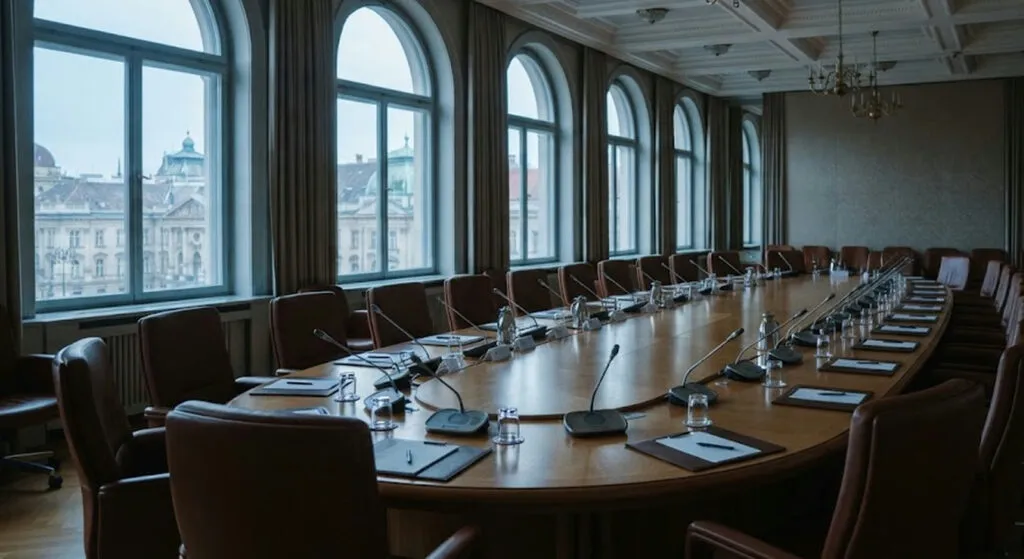
Measures imposed over the war in Ukraine are now being offered as currency in an entirely different dispute. If the...

A smaller dose and more needles does not mean a safer vaccine, it means an ineffective one. Science has had...
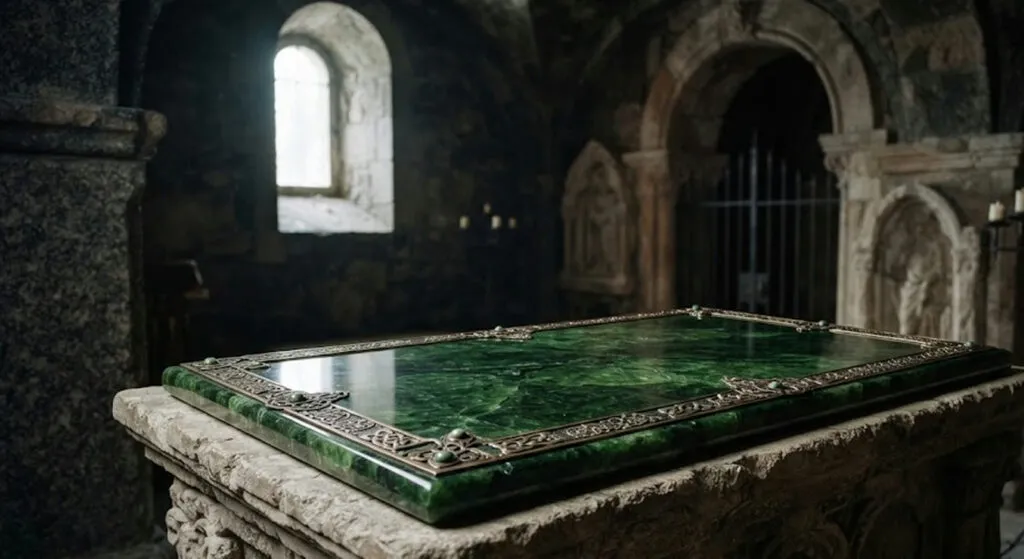
Harald designed the sarcophagus himself, and it is shaped like a ship. The stone is 400 million years old and...
Von der Leyen proposed a status that does not exist in European law, the Canadians distanced themselves, and Washington announced...
This site uses cookies - is that okay? Learn more
Be the first to know when Metla launches something new
Leave your email and we will write when there is a new guide or something new on Metla.