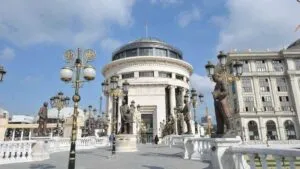
Шест години лажни категории во возачки дозволи од шалтер во МВР: обвинети шестмина, уште 21 лице под истрага
21.09.2026


21.09.2026

21.09.2026

21.09.2026

21.09.2026

21.09.2026
21.09.2026

21.09.2026

20.09.2026

20.09.2026

21.09.2026

21.09.2026

20.09.2026

21.09.2026

21.09.2026

21.09.2026

21.09.2026

20.09.2026

19.09.2026

21.09.2026

21.09.2026

21.09.2026

21.09.2026

21.09.2026

21.09.2026

09.03.2026

27.02.2026

19.02.2026

20.09.2026

19.09.2026

18.09.2026

23.04.2026

23.04.2026

12.04.2026

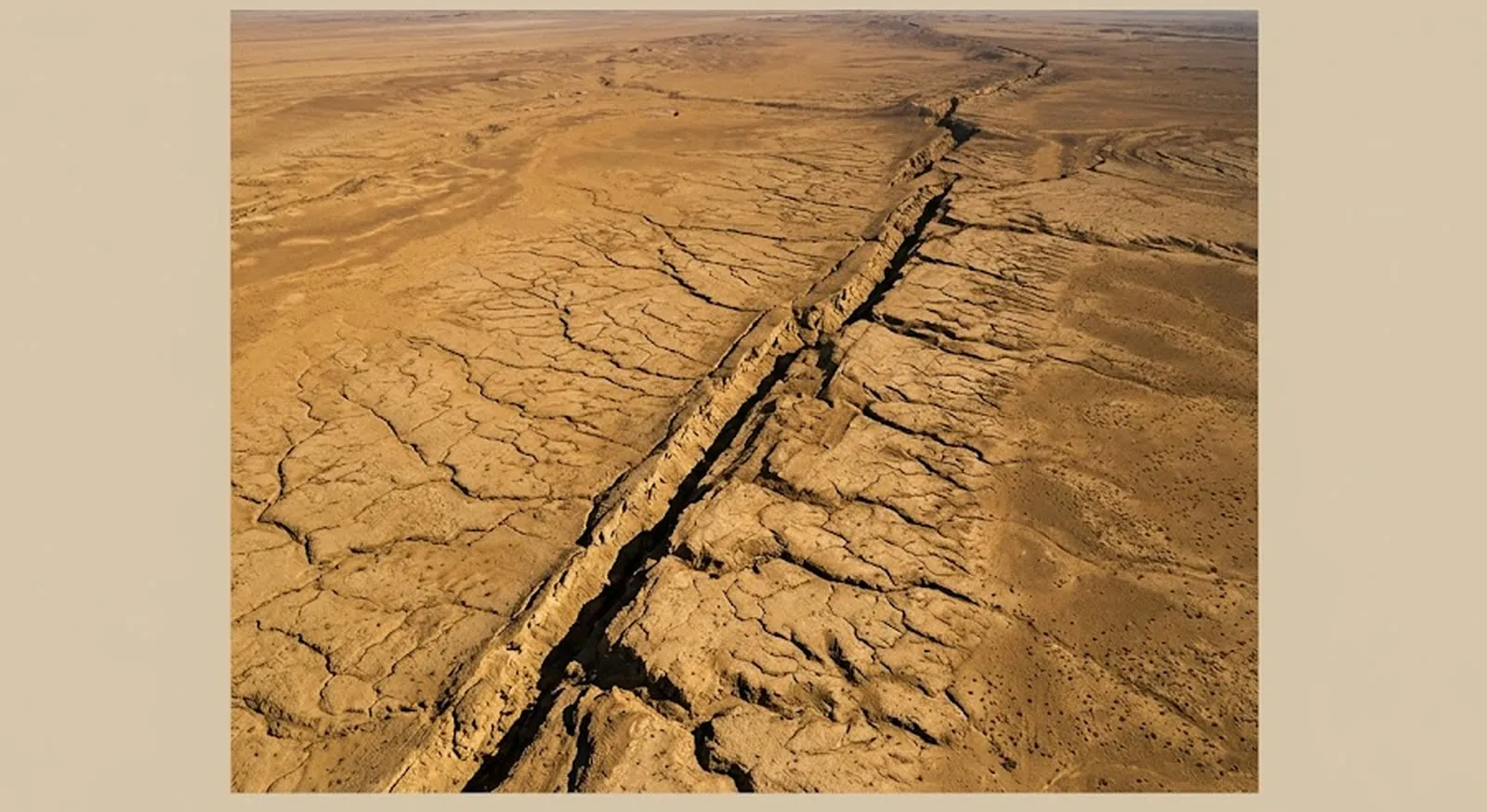
The San Andreas fault in California has reached its highest level of strain in the last 1,000 years - and that's exactly what makes it so dangerous. Running nearly 1,300 kilometres, from Palm Springs to the San Francisco Bay, the fault has been quiet for decades. And it's precisely that quiet that has let an enormous pressure build up.
Geologists analysed data collected over an entire millennium to gauge the future danger. The conclusion: strain is historically high, mainly because the last century has seen no major earthquake to release the accumulated energy. In other words, the longer the silence lasts, the stronger the blow being prepared.
Still, the science stays honest about what it doesn't know. Seismologist Dr. Lucy Jones warns that "for a geologist, 'soon' can mean 'in the next century'." The study says the danger is rising, but can't answer the one question everyone wants - when. Harold Tobin of the University of Washington points to the worst-case scenario: two faults rupturing at once, which would be far more devastating than an ordinary quake. For comparison, the Loma Prieta earthquake in San Francisco in 1989 took 63 lives.
For us in the Balkans, this isn't some exotic foreign story. The region sits on its own faults and knows all too well what it means when the ground shakes - Skopje 1963, the recent tremors next door. The difference is in readiness: while California spends billions on studies and building codes, here the question of how safe the buildings we live in actually are still gets unconvincing answers. The silence before an earthquake is the same everywhere - the only thing that differs is how prepared we are for the moment it ends.
The latest 10 news from this category

Три опции на масата во Вашингтон - воен притисок, економско давење или договор - а претседателот ја опишува дилемата како...
Партијата на Аденауер и Кол се лизна до изборниот праг во Мекленбург, АфД веќе бара оставка од канцеларот, а Мерц...
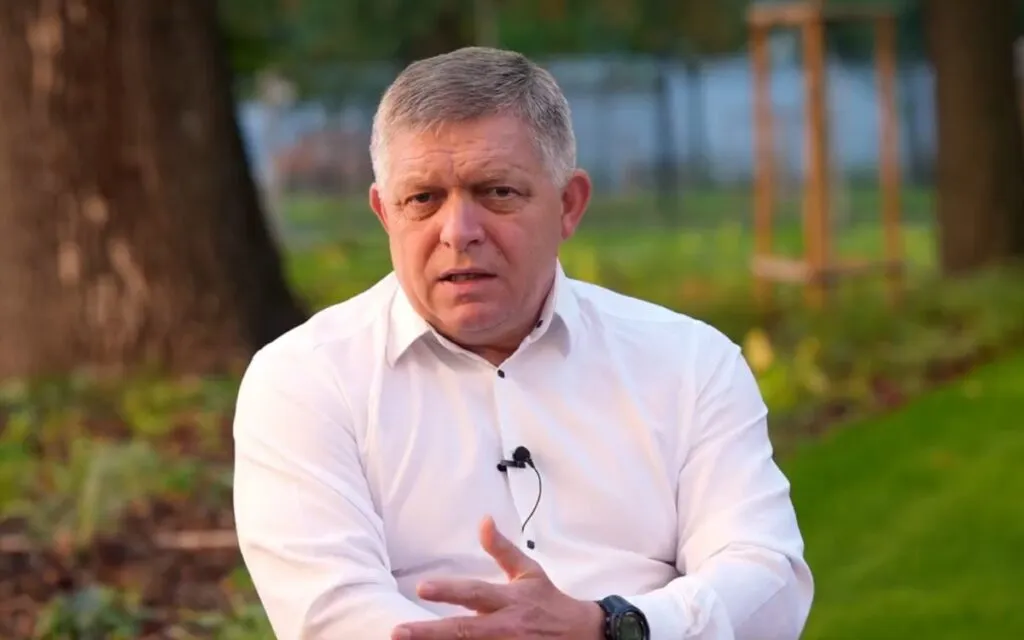
Two prime ministers in the same Union, the same month, completely opposite diagnoses of who is provoking whom. There is...
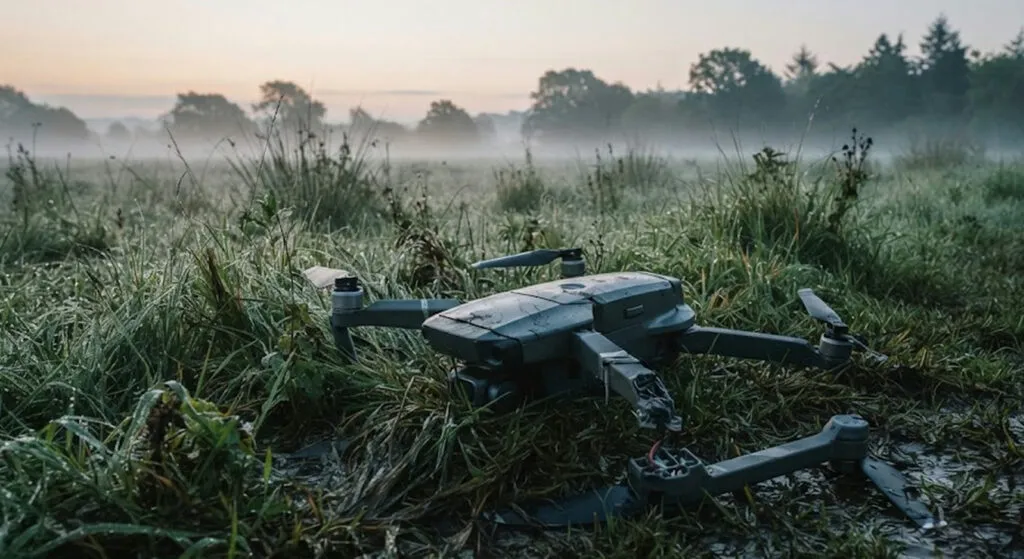
A broken aircraft in a field usually ends up in a police note. This one ended up with federal investigators,...
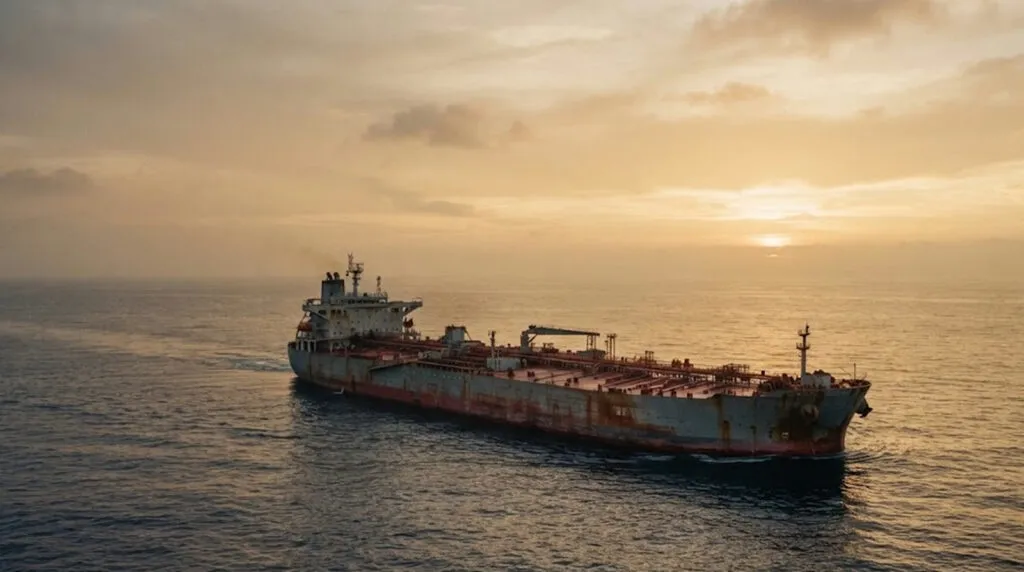
Beijing will easily find another supplier. The harder question is what Washington is actually testing: whether private Chinese companies will...
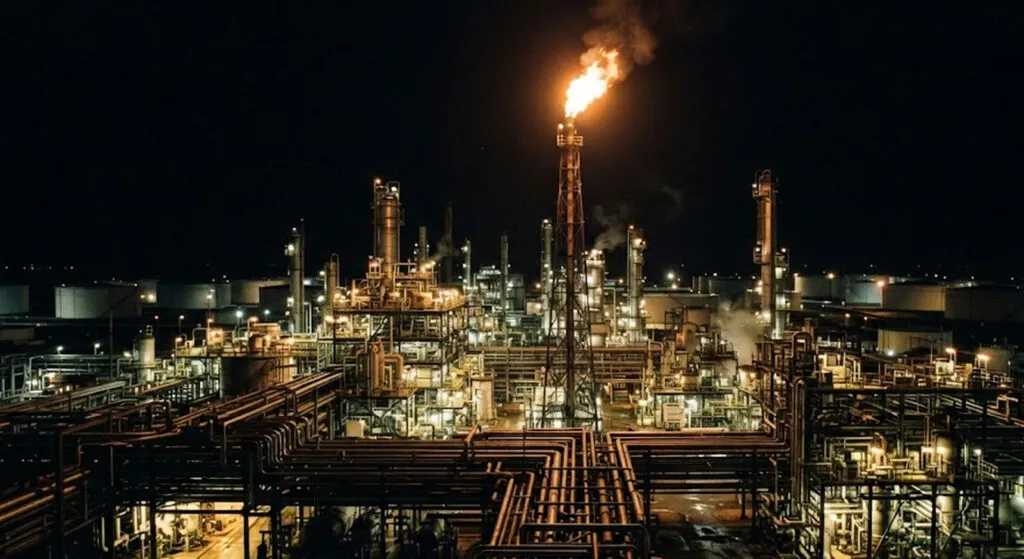
The law lets Washington hit the five biggest buyers of Russian oil with tariffs of up to 100 per cent....

Measures imposed over the war in Ukraine are now being offered as currency in an entirely different dispute. If the...

A smaller dose and more needles does not mean a safer vaccine, it means an ineffective one. Science has had...

Harald designed the sarcophagus himself, and it is shaped like a ship. The stone is 400 million years old and...

Von der Leyen proposed a status that does not exist in European law, the Canadians distanced themselves, and Washington announced...
This site uses cookies - is that okay? Learn more
Be the first to know when Metla launches something new
Leave your email and we will write when there is a new guide or something new on Metla.