

Kratovo man stabs police officer mid-intervention: prosecutors want the 40-year-old detained
15.09.2026


15.09.2026

15.09.2026

15.09.2026

15.09.2026

15.09.2026

15.09.2026

15.09.2026

14.09.2026

13.09.2026

15.09.2026

15.09.2026

14.09.2026

15.09.2026

15.09.2026

15.09.2026

15.09.2026

14.09.2026

13.09.2026

15.09.2026

15.09.2026

15.09.2026

15.09.2026

15.09.2026

14.09.2026

09.03.2026

27.02.2026

19.02.2026

15.09.2026

14.09.2026

14.09.2026

23.04.2026

23.04.2026

12.04.2026

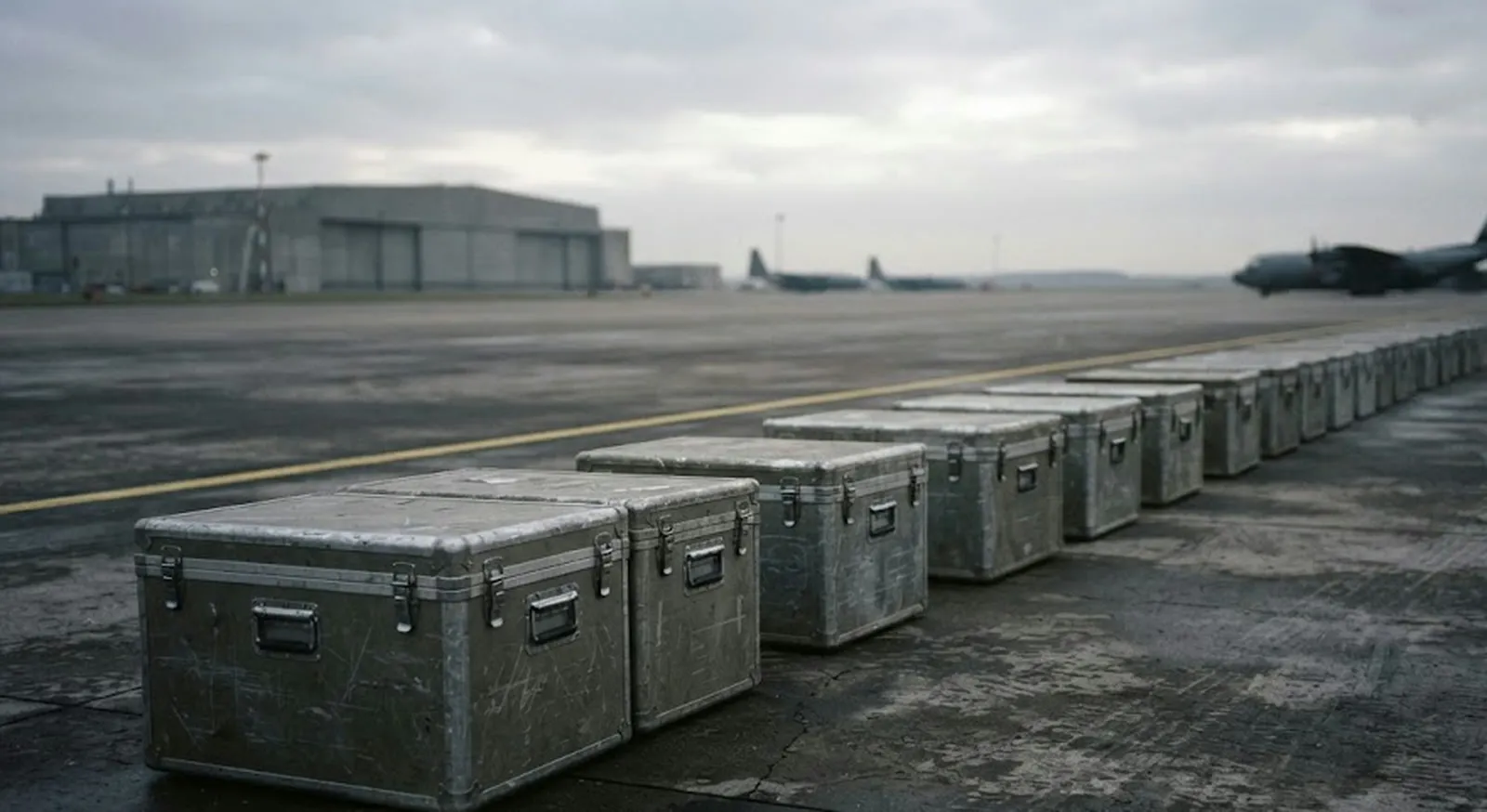
While Washington and Tehran test their strength through strikes and burning tankers, somewhere far from the cameras another bill is being tallied - the one in human lives. The US Pentagon announced that the total number of American troops killed in the nearly five-month conflict with Iran has risen to seventeen.
The last two died in an Iranian strike on an air base in Jordan. Among them a nineteen-year-old soldier from Texas - the age at which most people are only just finishing high school. The Iranian Revolutionary Guard claimed responsibility for the attack. Four other soldiers were wounded and hospitalised, then later discharged.
Seventeen dead in five months of a war nobody declared out loud
These are the first American casualties from Iranian strikes since March. The Pentagon also confirmed the death of a soldier during the controlled detonation of a downed Iranian drone, as well as the recovery of remains of a soldier earlier reported missing in action. The formal repatriation of the remains of four soldiers is scheduled for Wednesday.
The timeline from the start of the year reads like a string of funerals. In March six reservists died in a direct Iranian strike on an operations centre at the port of Shuaiba in Kuwait. A few days later a sergeant died of his injuries in Saudi Arabia. On 12 March another six were killed in the crash of a KC-135 tanker aircraft in western Iraq - that time not from enemy fire, but from an accident. War collects even when it isn't firing.
Open to talks - while the strikes fall
And here comes the part that makes the picture absurd. Despite the escalation, US officials over the weekend voiced hope for a diplomatic solution. Secretary of State Marco Rubio said the US „remains open” to talks, and the Iranian side signalled readiness. President Donald Trump, for his part, commented briefly: „It's very sad. It's terrible when things like this happen.”
Sad, terrible - and yet the strikes carry on for the tenth night in a row. If both sides are „open to talks”, then who is keeping their fingers on the buttons? The Balkans know this line well: everyone wants peace out loud, and on the ground nobody wants to be the first to lower their hand. The question is not whether there is a will to talk - but why seventeen coffins had to arrive before that will was even mentioned.
The latest 10 news from this category
Between 2,300 and 3,000 North Korean soldiers have died in Kursk so far. Kim Jong Un has found an export...
A NATO fighter jet downed an unmanned aircraft over Lithuania minutes after midnight, and citizens got the warning on their...
The train was empty, the locomotive damaged, nobody hurt. But Boris Johnson and a group of European security advisers had...
453 drones in one night, 405 shot down - and the forty-eight that got through land somewhere. Poland's prime minister...

Trump's son-in-law told an audience in Kyiv the deal is done - if Ukraine withdraws. And added that the battlefield...

A barren volcanic rock in the middle of a strait 28 kilometres wide changed the oil market in a single...
Hostomel, Odesa, Kryvyi Rih - targets that are not the front line but the supply chain. A war against the...

We don't want war with Europe, but here is exactly how that war would start. He said both sentences in...

When an army recalls its special forces with a 12-hour deadline, that is not a rota but a signal. The...

Port infrastructure in Makhachkala and the theatre building caught fire, the governor said. Moscow claims it shot down 448 drones...
This site uses cookies - is that okay? Learn more
Be the first to know when Metla launches something new
Leave your email and we will write when there is a new guide or something new on Metla.
