
Six Years of Fake Licence Categories Issued From an Interior Ministry Desk: Six Charged, 21 More Under Investigation
21.09.2026


21.09.2026

21.09.2026
21.09.2026
21.09.2026
21.09.2026
21.09.2026

21.09.2026

20.09.2026
20.09.2026
21.09.2026

21.09.2026

20.09.2026
21.09.2026
21.09.2026

21.09.2026
21.09.2026

20.09.2026
19.09.2026
21.09.2026

21.09.2026
21.09.2026
21.09.2026
21.09.2026

21.09.2026

09.03.2026

27.02.2026

19.02.2026

21.09.2026
21.09.2026

20.09.2026

23.04.2026

23.04.2026

12.04.2026

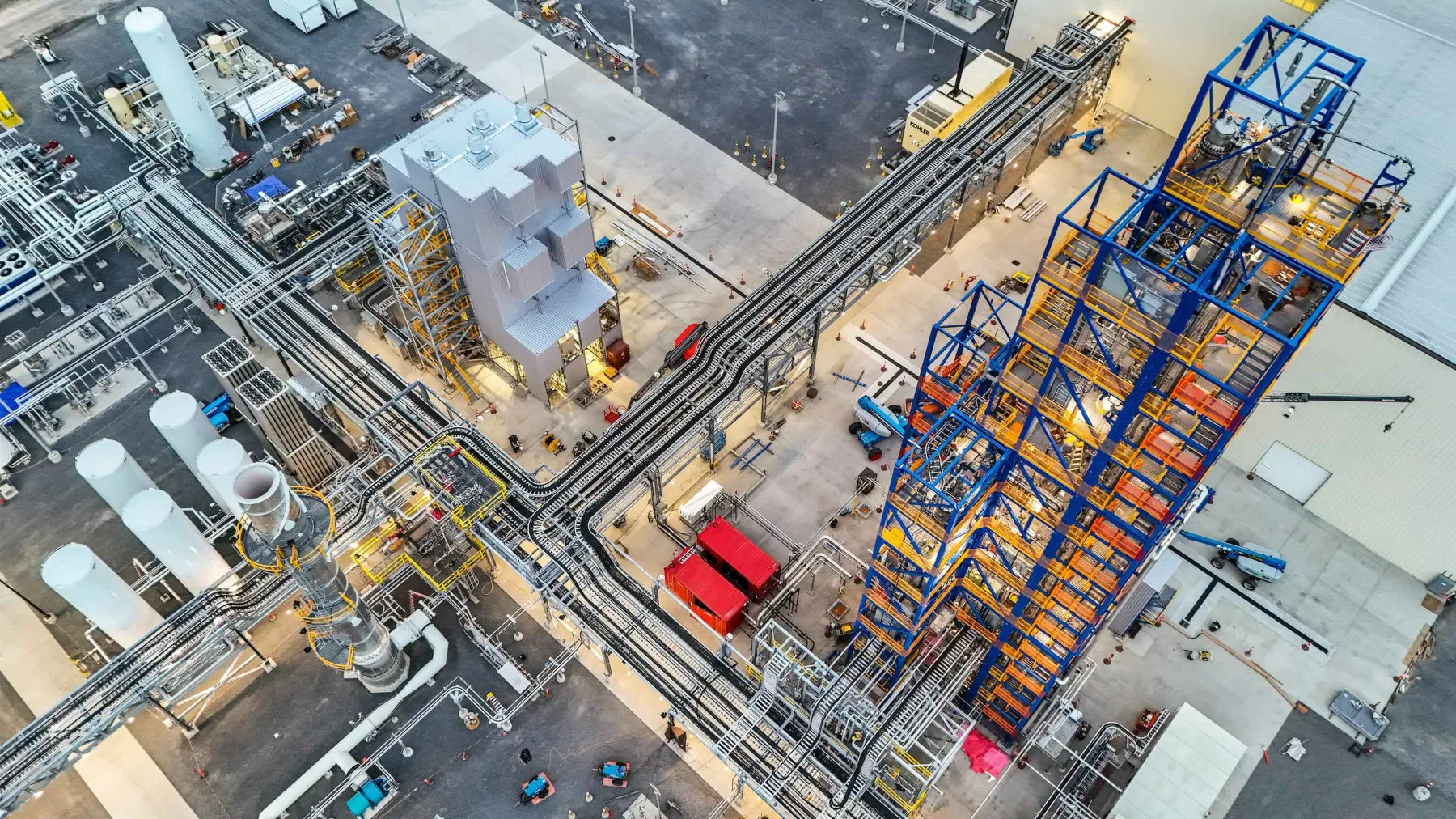
While everyone is talking about electric cars slowing down, one American firm raised 300 million dollars (around 275 million euros) to expand the factory that makes the materials for their batteries. The message is unambiguous: someone doesn't believe the electric-vehicle story is over.
The firm is called Sila, and its founder Gene Berdichevsky is no accident - he was the seventh employee at Tesla, back when the electric car was still a joke for the auto industry. Now his company makes what's called a silicon-carbon anode - the part of the battery that determines how much energy it can store. The claim is that their material stores up to 40 percent more energy than the classic graphite anode.
The money comes from the funds Atreides Management and Sutter Hill Ventures, with the participation of several more heavyweight names from the investment world. With them, the total sum Sila has raised so far reaches around 1.3 billion dollars. The factory in Moses Lake in Washington state, which started producing in September 2025, now makes enough material for over 100,000 electric vehicles a year - and the plan is for the capacity to jump to tens of gigawatt-hours.
Here the story stops being just about batteries. About three-quarters of the world's graphite supply chain is controlled by China. Any firm that makes an alternative material outside that chain is actually building something more than a factory - it's building independence from a single country that has so far had everyone by the throat. It's no accident that Sila's clients already include Mercedes, Panasonic, and even makers of drones and satellites.
For the reader in the Balkans, this is a reminder that the transition to electric power isn't just a matter of ecological fashion, but of who holds the raw materials. Europe has talked for years about „strategic autonomy,” and batteries are precisely where those words will either gain weight or stay on paper. The question isn't whether electric vehicles will reach us - they're already here - but whose materials will be inside them when they do.
The latest 10 news from this category
Tinex, SuperTinex, Konto and Spot move to a Pristina-based group with 235 million euros in turnover. The commission saw no...

The WHO has declared loneliness a global health problem linked to around 870,000 deaths a year. On America's east coast...
Porsche, Alaska Airlines and J.B. Hunt are not buying startups - they are commissioning them. When innovation moves inside the...
Sold for two billion, blocked by the state, bought back by its own investors - and now worth twice as...
An eight-year-old firm that started out mining crypto has tripled its value in ten months. It did not discover anything...
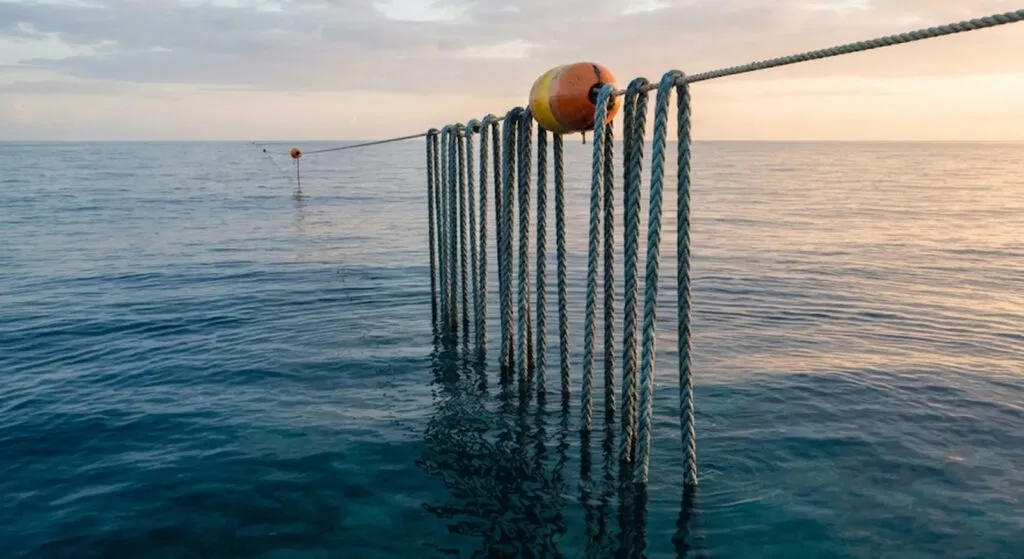
The price of uranium has jumped 75 percent in five years, and the list of countries that mine it reads...
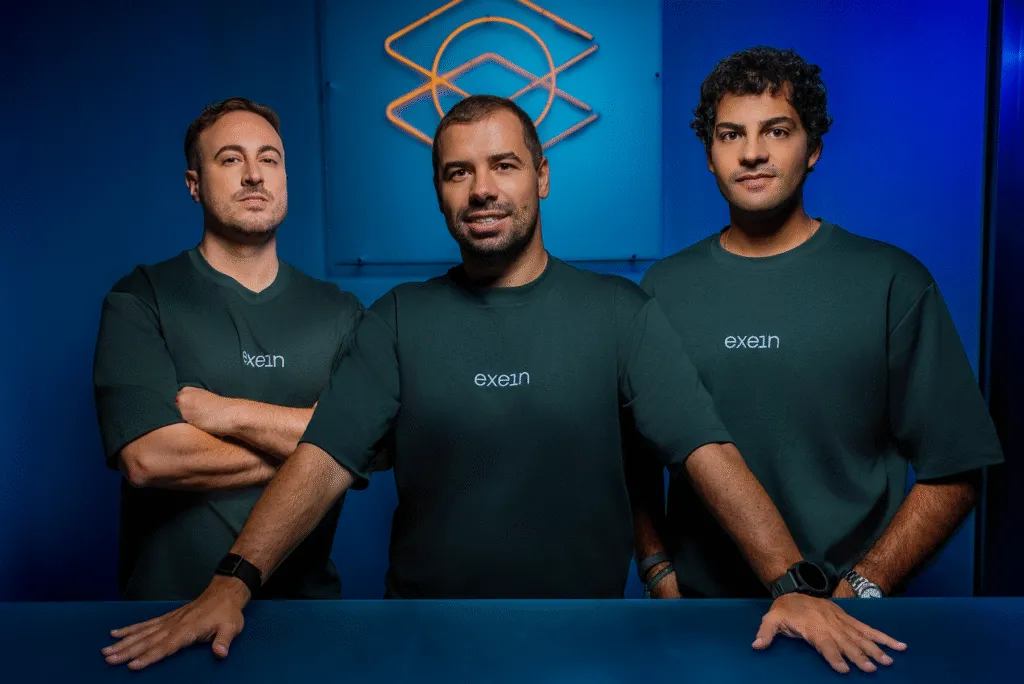
Exein raised 270 million dollars and its valuation jumped thirtyfold in two years. The European regulation coming into force in...
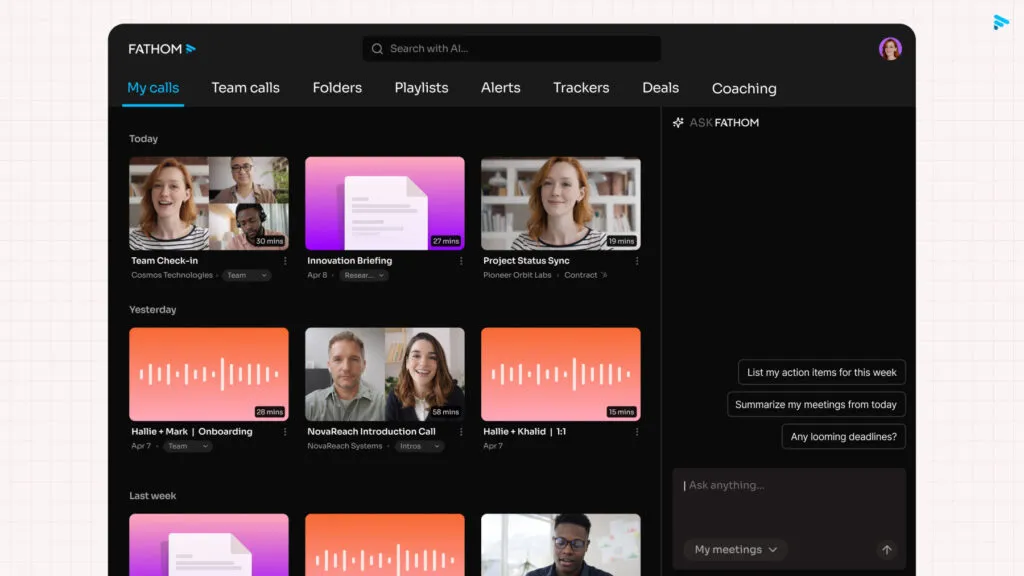
A startup valued at 94 million dollars changed hands, and both sides said openly what was being bought - not...
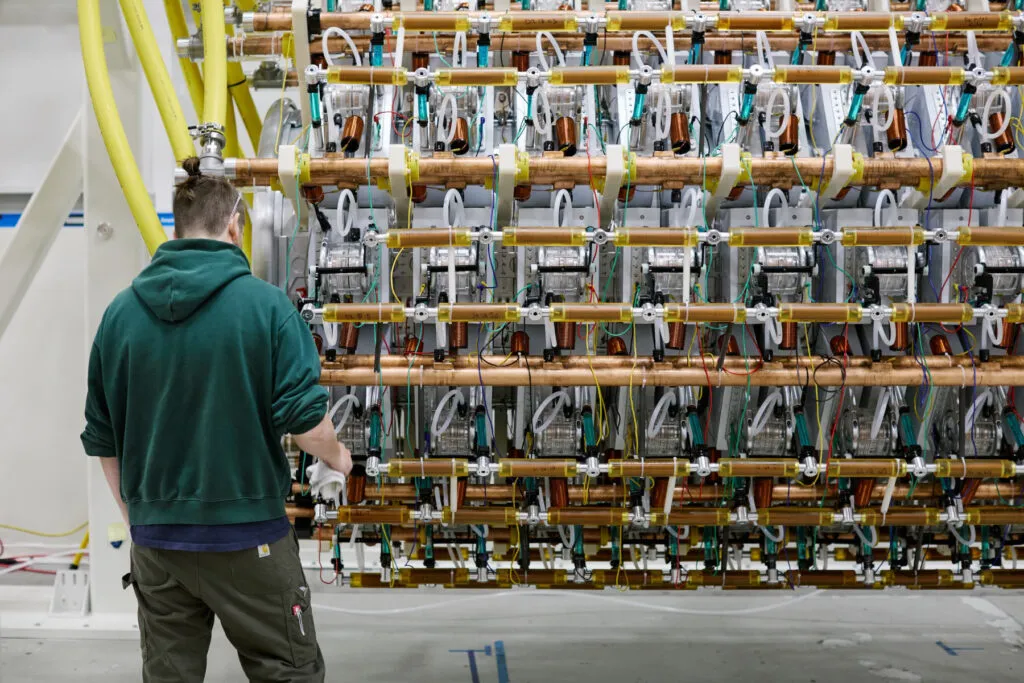
A technology sold for decades as the answer to the climate is now taking money from the defence industry. The...
The board voted, the founder kicked the administrators out of Slack and held out for three days. What does a...
This site uses cookies - is that okay? Learn more
Be the first to know when Metla launches something new
Leave your email and we will write when there is a new guide or something new on Metla.