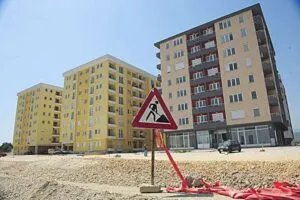
A New Criminal Complaint Against Jakimovski: A Building Permit Based on a Plan Struck Down Back in 2018
16.09.2026


16.09.2026

16.09.2026

16.09.2026

16.09.2026
16.09.2026

16.09.2026

16.09.2026

15.09.2026

14.09.2026

16.09.2026

16.09.2026

15.09.2026

16.09.2026

15.09.2026
14.09.2026

16.09.2026

16.09.2026

16.09.2026

16.09.2026

15.09.2026
15.09.2026

09.03.2026

27.02.2026

19.02.2026

16.09.2026

15.09.2026

14.09.2026

23.04.2026

23.04.2026

12.04.2026

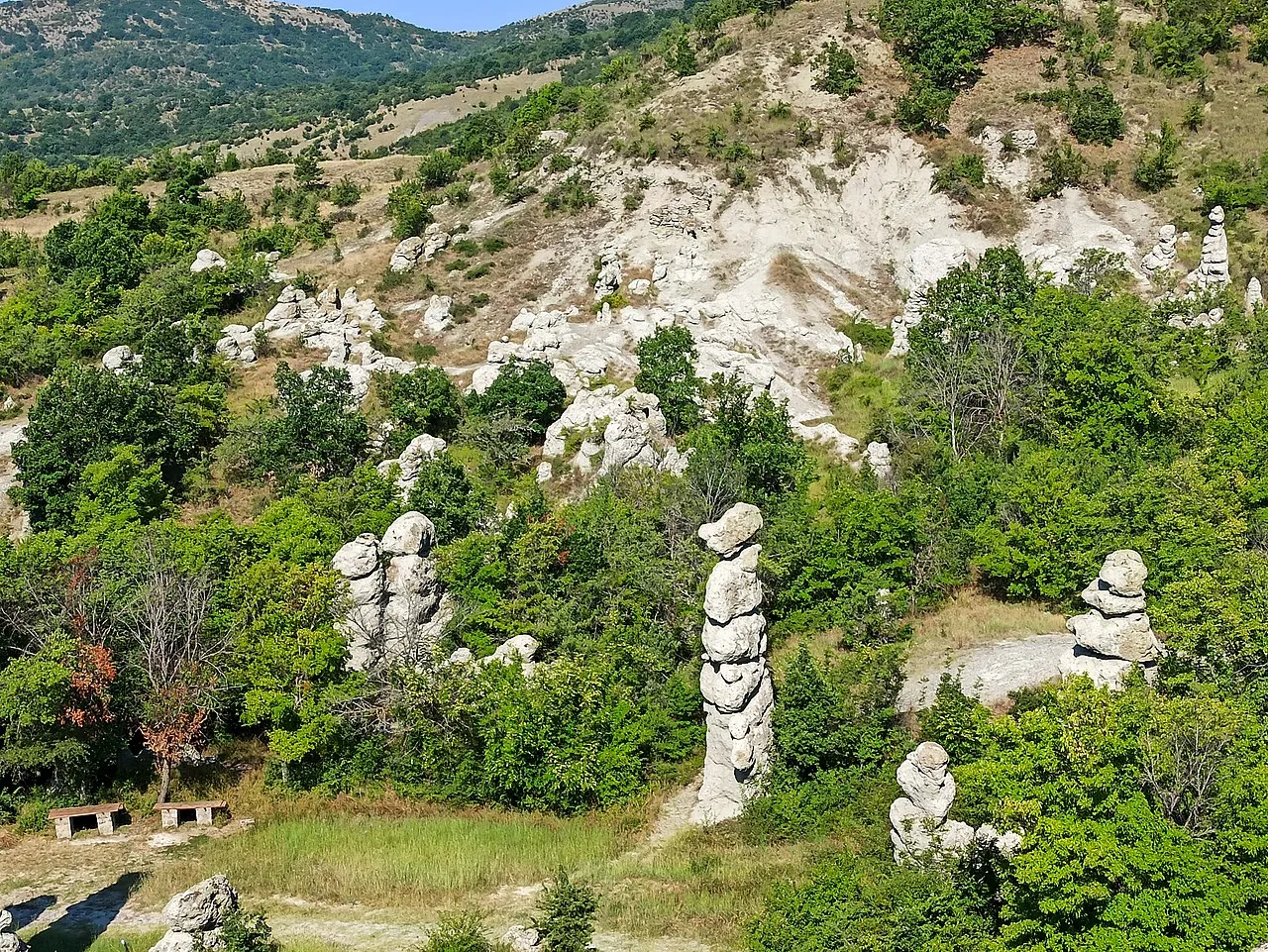
A natural treasure thousands of years old, protected by law since 2008 - and yet someone "thought" to privately charge admission to it. The Stone Dolls of Kuklica near Kratovo, one of the rarest geomorphological wonders in the country, have become a symbol of how the state leaves its gems to fend for themselves.
The site holds around 150 earthen pyramids between four and ten metres tall, shaped by millennia of erosion on volcanic rock. Folklore says they are petrified wedding guests from a cursed "merry wedding" - but science is more prosaic: the formations are up to 20,000 years old, not millions, as is sometimes claimed.
The problem is different and more down-to-earth. According to sources, private individuals with no legal basis whatsoever have set up makeshift barriers and have for years been charging admission from local and foreign tourists. The promised ranger service doesn't function on the ground, there are no physical barriers to stop visitors trampling the fragile rock, and the new info-centre - though it literally overshadows the site - is rarely open.
The price of this neglect is measurable. Scientists estimate the best-known cluster of figures will last only another 500 to 700 years - and that span could be halved if the trampling and poor management continue. The Kratovo municipality, the Environment Ministry and the Culture Ministry have been passing the responsibility back and forth for decades.
And here's the heart of it. When no institution wants to be the owner, someone always shows up to collect as if they were. The Stone Dolls survived thousands of years on their own; the question is whether they'll survive a few more decades of our care.
The latest 10 news from this category

The World Bank dropped out over misalignment with EU requirements. Construction will take two and a half years, and the...
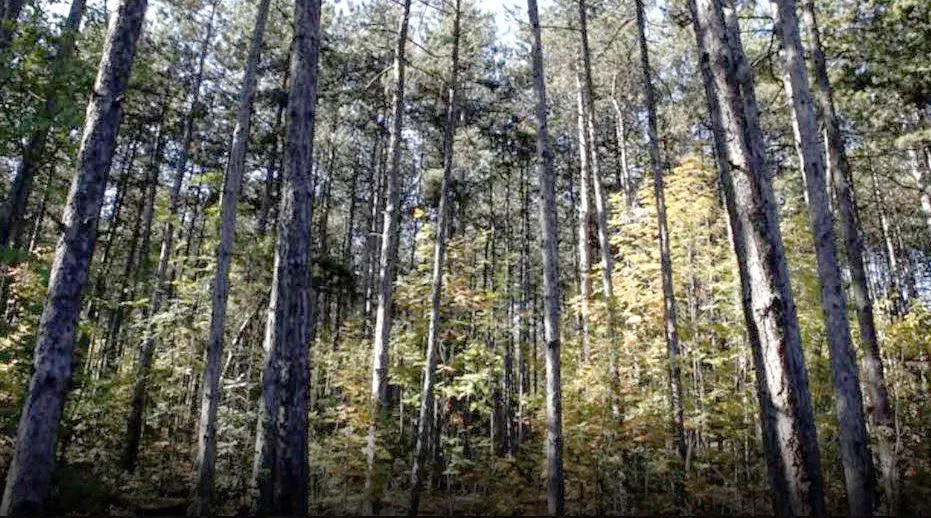
Of 9,500 square metres of greenery, 268 remain. Terrain with an 80-metre height difference, no erosion study and no opinion...

Gjorgjievski says the system should be ready by the middle of next year. The BRT tender is announced for the...
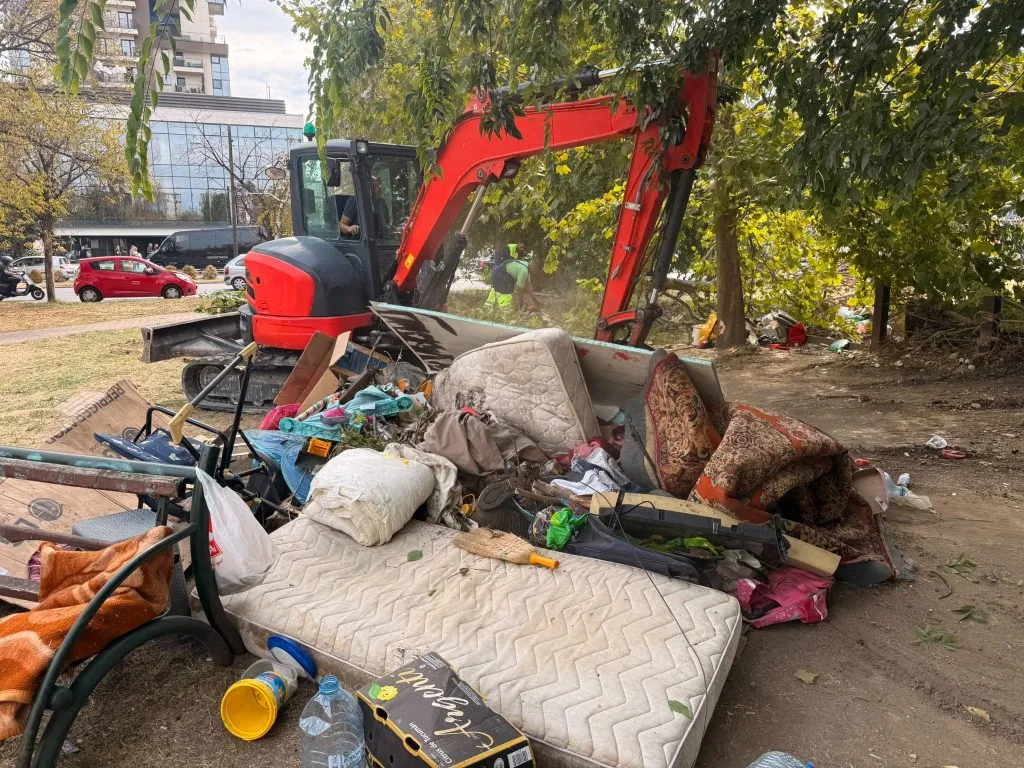
The second operation at the same site within a year. Gerasimovski himself is appealing to the Labour Ministry - because...
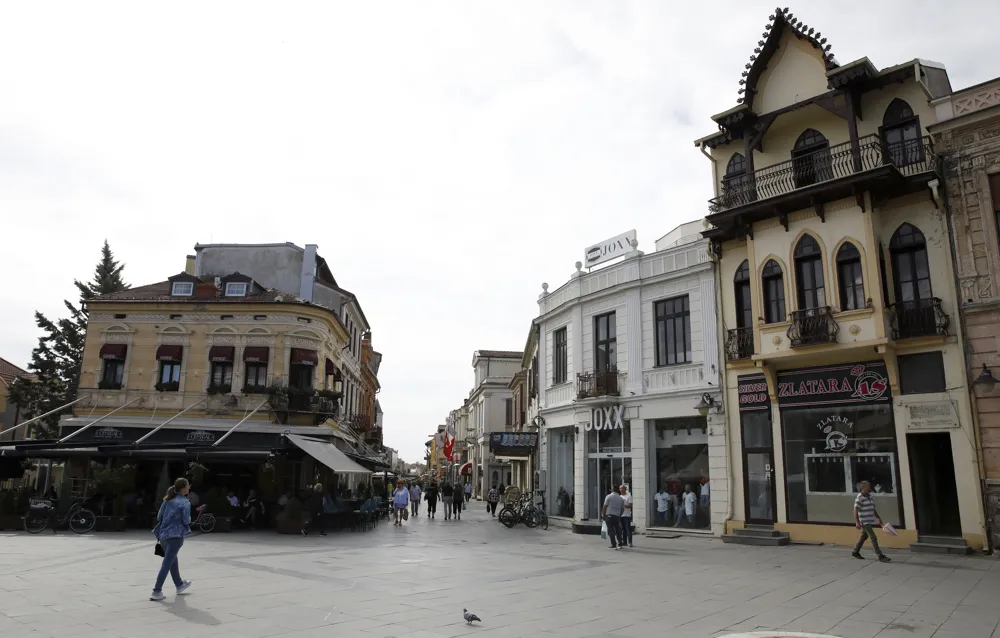
A prosumer scheme, a solar oven and electricity generated by bicycle on Magnolija square. The city that has paid the...

Stefanija Dimovska won two medals at IESO 2026, working in mixed international teams. Before that she was also national champion...
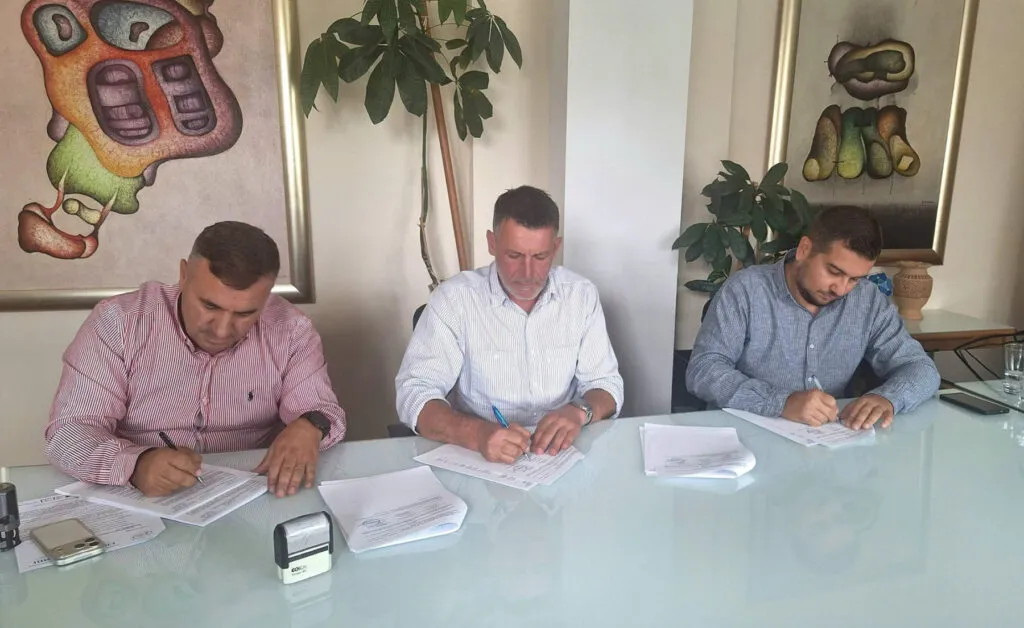
Out of nearly 4.7 million denars, the municipality is putting in around 180,000. The rest comes through the Bureau for...

Ten years working inside the health system - and she still had to pull strings to be admitted. The clinic...
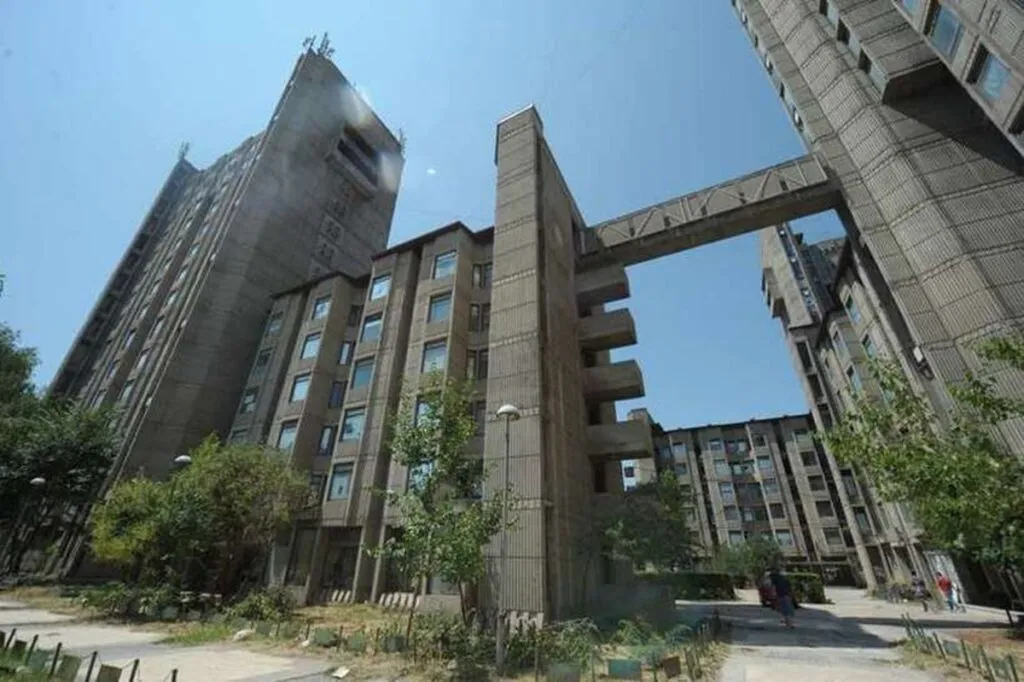
Appeals run from 15 to 25 September. There is not enough space at Goce Delčev, so students go to Stiv...

From 23:00 to 05:00 there is no getting through towards Evzoni. Towards Halkidiki - business as usual. Those heading on...
This site uses cookies - is that okay? Learn more
Be the first to know when Metla launches something new
Leave your email and we will write when there is a new guide or something new on Metla.