


Sixteen Arrests in Twenty-Four Hours, All for Drugs: The Police Are Working - But Where Are All These People Coming From?
20.09.2026


20.09.2026

20.09.2026
20.09.2026
20.09.2026
20.09.2026

20.09.2026

20.09.2026

20.09.2026

20.09.2026

20.09.2026

20.09.2026

19.09.2026

20.09.2026

20.09.2026

20.09.2026

20.09.2026

19.09.2026

18.09.2026
20.09.2026

20.09.2026

20.09.2026

20.09.2026

20.09.2026

20.09.2026

09.03.2026

27.02.2026

19.02.2026
20.09.2026

19.09.2026

18.09.2026

23.04.2026

23.04.2026

12.04.2026


She was three years old. That is how much she remembers of Knin - as much as a three-year-old can remember, which means: not much, but what stayed, stayed for good.
Journalist Dejana Kljajić has told her story of the days around 4 August 1995. Her father was a serving officer and told her mother to set off for Serbia before things got worse. They left with a bag and the family photo album.
„We joined the convoy with a bag and a photo album, I didn't know where my father was”, she says.
What people take when they have no time to think
The photo album. Not documents, not money, not winter clothes. The album. That detail says more about that day than any figure - people grabbed not what they needed, but what they could not be themselves without.
They crossed the border on 5 August, after first meeting resistance at the entry point. Then a month with no word on whether her father was alive. He reached them in Belgrade later, and the family moved to Apatin after his reassignment.
The reception - the part that rarely gets told
This is where her account gets more uncomfortable, because it is no longer about war but about what people do to each other once the war stops.
„The way the citizens received us after 'Storm' was terrible. Many treated us as a lower race. It was hard, but we endured”, says Kljajić.
She is not saying this about some distant enemy. She is saying it about the place she fled to for protection. Thirty-one years on, that is the part mentioned least at anniversaries, in speeches and in political statements on either side. It is easier to keep score of who was right than to admit how those who arrived were met.
The Balkans know this scene by heart
A convoy on a road. A family split apart. A month with no news. Then a new address and a new start, except that „a new start” in practice means you came from somewhere else and that this will bother somebody.
Kljajić describes Operation Storm as a criminal action aimed at expelling Serbs. That is her assessment, spoken by someone who was in that convoy. Historians, courts and governments are still arguing over the terminology. Her account does not ask those arguments for permission.
She says her parents led her towards a better path and helped her build character. A fine ending to a personal account. But the question that remains is not about her - she managed. The question is why, every few years in this region, another child ends up in a convoy, and why those who receive those convoys so often behave as if it were somebody else's problem.
The latest 10 news from this category
Eight countries, 120 million people, a motorway to Timisoara and energy connections. And one cancelled visit that says more than...
The call was about damaged furniture on a terrace. Armin Dzutovic died three days later. The internal investigation found first...
Four KLA leaders received 81 years in prison, and Albania's parliament immediately adopted a declaration calling the verdict unjust. The...
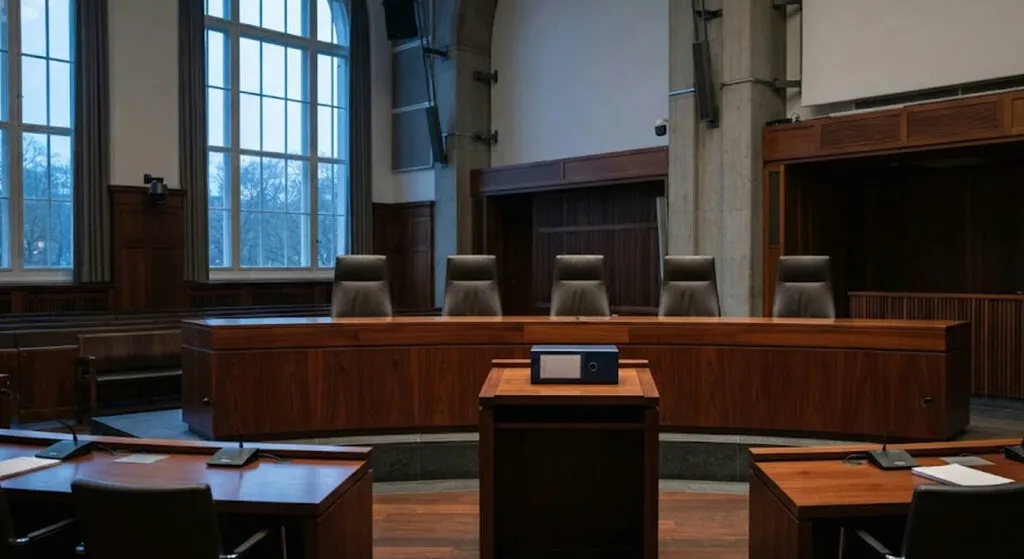
The court established responsibility for 96 killed, 303 tortured and 385 unlawfully detained. The prosecution asked for 45 years. Serbia...
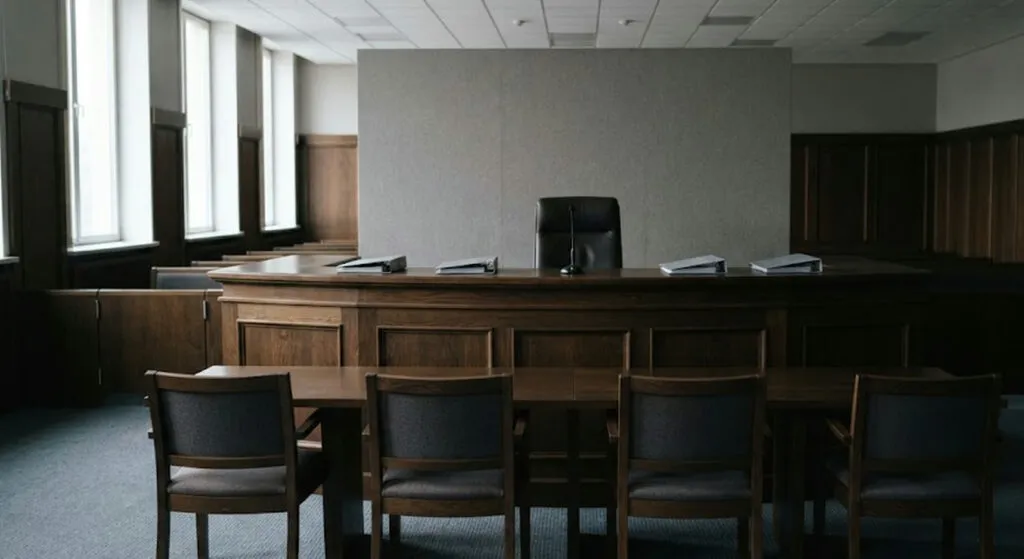
Thaci and Krasniqi got 25 years each, Veseli 18, Selimi 13. The court established 385 unlawfully detained, 303 tortured and...

"If it is acceptable to the participants" - that is the entire offer. What gets negotiated is the format, not...
Thousands walked from the Rectorate to the electoral commission, and the signatures had to be queued for all weekend because...
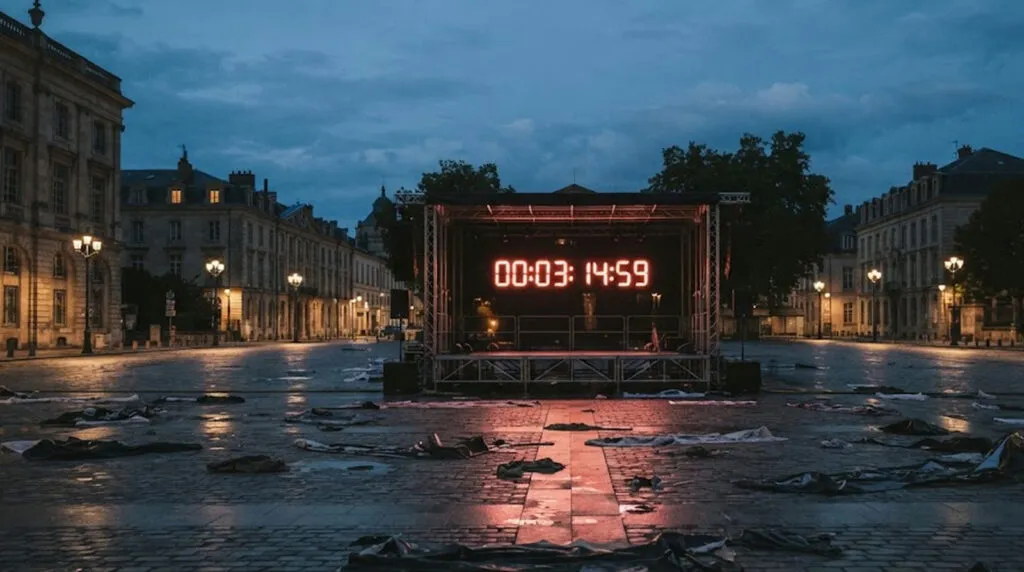
Thousands of people under a digital clock and a banner asking for them to be found innocent. On Wednesday The...
The ruling list sailed through without a single problem, the student list was left waiting in line. Nobody banned anything...
The same firm that supplied ammunition to Ukraine for years is burning for the second time in a month. Seven...
This site uses cookies - is that okay? Learn more
Be the first to know when Metla launches something new
Leave your email and we will write when there is a new guide or something new on Metla.
